In Indian homes today, parenting has begun to look very different from what it did even five years ago. The rush of urban workdays, rising healthcare awareness, and the shift toward nuclear living have forced families to rethink how they handle early childcare. Yet feeding and hygiene remain two of the most time-consuming and emotionally draining responsibilities for new mothers.
Over the past year, one brand has been repeatedly showing up in conversations inside parenting groups, doctors’ clinics, and new-mother communities: Promom. And at the centre of these conversations are three tools breast pump, bottle sterilizer, and bottle warmer and sterilizer that are becoming part of a new routine for thousands of young families.
Unlike typical parenting products that rely on sentimental messaging, Promom’s rise is tied to a simple, practical observation: young mothers don’t need more advice; they need more time, better hygiene, and fewer daily bottlenecks.
The Everyday Pressure Behind the Trend
Talk to any paediatrician, and they will quietly confirm the same thing feeding stress is now one of the top concerns new mothers bring up. Whether it is irregular feeding cycles, long office commutes, or unpredictable sleep patterns, the strain is real.
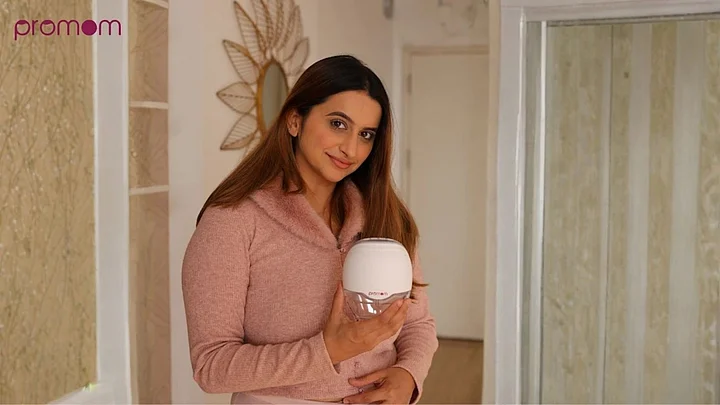
This is where the Promom breast pump has seen a shift in perception. Doctors who once recommended it primarily for medical needs now see it as a practical tool for working mothers, post-C-section recovery, or simply for those who need uninterrupted rest. The breast pump trend is also driven by fathers taking on more responsibility, something that was uncommon even a decade ago.
Parallel to this, hygiene fears have grown sharply especially in households with premature babies, infants prone to infections, or families living in high-density cities. Promom’s bottle sterilizer and bottle warmer and sterilizer are being bought not as “nice-to-have devices,” but as predictable, time-saving systems that reduce the mental load of constant boiling, reheating, and cleaning.
In short: public health concerns created urgency. Daily fatigue created demand. Promom stepped into the middle.
What Sets Promom Apart
Industry analysts often point out that the Indian market has seen many imported solutions but very few brands that study parenting patterns within the Indian context. Promom’s appeal lies in being built for that specific context where homes often have multiple caregivers, where feeding happens at odd hours, where refrigerators aren’t always available, and where hygiene worries overshadow everything.
The breast pump, for example, isn’t just a feeding solution. In interviews with new users, one theme consistently emerges: freedom. Freedom to attend a meeting, freedom to rest without guilt, freedom for fathers to participate, freedom from unpredictable feeding windows.
This emotional outcome is what has made the breast pump a rising household essential.
The bottle sterilizer plays a different role. It removes the guesswork from hygiene an area where mothers often report the highest stress. With rising bacterial infections, sterilization has moved from a “precaution” to a “routine,” and the Promom bottle sterilizer fits into that shift.
The bottle warmer and sterilizer fills the last gap time. Midnight feeds often require warm milk at the right temperature, instantly. Parents describe it as “the difference between a 3-minute task and a 20-minute breakdown.”
The Emotional Story Behind a Functional Brand
Promom was started by a founder who built the brand around a single belief: the mother’s experience matters. While most childcare innovations focus solely on infant needs, Promom looks at the full ecosystem surrounding the mother her rest, her recovery, her mental bandwidth, and her everyday lived reality.
This philosophy shows in how mothers describe their experience. Across dozens of community posts, one pattern stands out: mothers say Promom products don’t just save time they lower pressure.
Experts often talk about postpartum fatigue, but families rarely have tools that directly reduce that fatigue. With the breast pump, bottle sterilizer, and bottle warmer and sterilizer, Promom seems to have built a system that absorbs a portion of that daily burden.
A Shift in How Maternal Support Is Designed
The Indian market is entering a phase where mothers are demanding better better hygiene, better flexibility, better tools. And brands are now being evaluated not on emotional advertisements, but on clarity of purpose and evidence of impact.
Promom’s solutions, particularly the breast pump, bottle sterilizer, and bottle warmer and sterilizer, reflect this transition. They are not positioned as lifestyle upgrades; they are positioned as essential infrastructure for young families.
With rising awareness, better hospital guidance, and a new generation of parents who value efficiency, these products are becoming part of a cultural change one where childcare finally includes the mother’s wellbeing as a core priority.
Building the Future Stack for Indian Mothers
Promom’s growth curve suggests that the category is ready for expansion. Insiders hint that the brand is gradually moving toward a wider ecosystem products that span feeding, hygiene, recovery, and early childcare.
Investors watching the sector note that the demand drivers are long-term: urbanization, rising maternal employment, and health-conscious parenting. Promom’s early traction shows the possibility of becoming not just another kids-care brand but a new standard in mother-first innovation.
As families continue to shift toward products that combine hygiene, convenience, and emotional relief, the role of Promom’s breast pump, bottle sterilizer, and bottle warmer and sterilizer will likely expand far beyond individual homes into the broader conversation around maternal health in India.