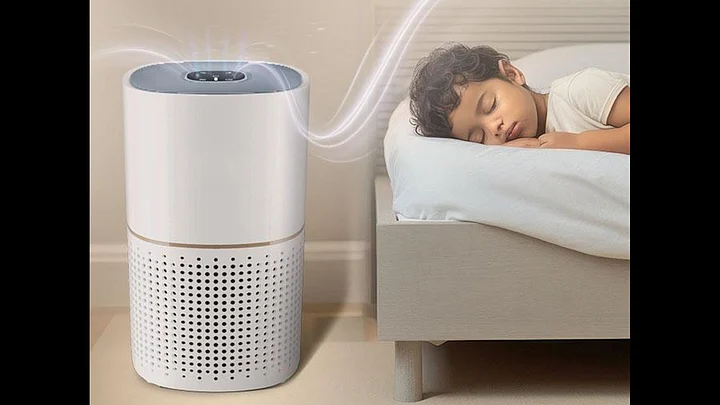
Allergies and asthma are closely linked to air quality, especially the air we breathe indoors every day. Research shows that indoor air can contain higher concentrations of pollutants than outdoor air, particularly in enclosed spaces where dust, pollen, mould spores, pet dander, and chemical residues tend to build up. For people with allergies or asthma, these irritants can trigger symptoms such as sneezing, congestion, wheezing, or breathing discomfort.
This is where air purification can make a meaningful difference. With the right practices and tools, you can significantly reduce airborne triggers and create a healthier home environment.
Below are simple, effective air purification tips designed specifically for allergy and asthma relief.
1. Use an air purifier with strong filtration
The first and most effective step is investing in an air purifier. Look for units with advanced air filtration technologies, especially those capable of capturing microscopic allergens. An air purifier that includes a high-efficiency particulate air filter can trap fine dust, pollen, mould particles, and airborne irritants that worsen allergy symptoms.
For the best results, place the air purifier in areas such as the bedroom or living room, and ensure it runs consistently. This helps maintain clean air throughout the day, especially during allergy seasons.
2. Invest in HEPA air purifiers
Choose an air purifier system that uses HEPA filtration. This filter is known for its ability to trap tiny airborne particles that regular filters might miss. As the air passes through the filter dust, allergens, bacteria and pollen get captured instead of circulating it back to your living space.
3. Keep windows closed during peak pollution hours
While many people assume that opening windows helps “refresh” the air, this can actually worsen symptoms during peak pollution or high-pollen hours. Outdoor allergens and fine particles enter easily and settle on surfaces, making indoor air quality drop quickly. Keeping windows and doors closed during these periods helps limit exposure and creates a more controlled, safer indoor environment.
4. Maintain clean surroundings to support purification
Even the best filtration system works better when supported by consistent cleaning surroundings. Simple steps can drastically reduce allergen accumulation:
● Vacuum regularly using a device with a HEPA-grade filter.
● Wash curtains, sofa covers, and bedding to remove trapped allergens.
● Reduce clutter where dust can settle.
This combination of purification and cleanliness creates an environment where airborne triggers have fewer places to hide.
5. Choose a smart air purifier for convenience
A smart air purifier can be helpful with features like real-time air quality monitoring, automatic mode adjustment, and app-based controls. These systems ensure your home stays clean even when you aren’t actively managing the device.
Conclusion
For people with allergies or asthma, improving indoor air quality is essential. Clean indoor air supports easier breathing, reduces flare-ups, and creates a healthier living environment. With the right combination of air purification, HEPA-level filtration, and good cleaning habits, you can significantly minimise the allergens that affect your daily life.
For those considering air purifiers, Eureka Forbes offers a range of solutions equipped with multi-stage filtration, smart monitoring, and high-efficiency particulate removal—features that align well with the air-quality challenges commonly faced in Indian homes. These systems are designed to capture fine dust, allergens, smoke, and household odours while adjusting airflow intelligently based on real-time readings.
With user-friendly controls, 360° air intake options, and models tailored for bedrooms, living rooms, and larger spaces, they provide a dependable way to maintain cleaner, healthier indoor air throughout the year.