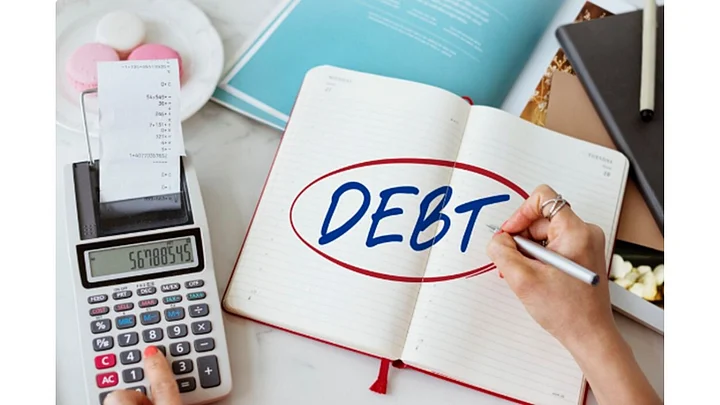
It's not uncommon to find yourself juggling multiple payments at once. A credit card bill here, an education loan there, maybe a short-term loan from a friend or relative. Each one comes with its own due date, interest rate, and late fee if you miss even a single payment. Keeping track of everything can get exhausting, and it’s easy to lose control. This is where the concept of consolidating debts into a single repayment comes into play. In other words, debt consolidation.
One of the simplest ways people approach it is by taking a single personal loan. Options like a Kotak811 Personal Loan allow borrowers to cover all scattered dues and manage them through one monthly instalment. Let’s walk through how it works, real-life examples, and what you should look out for before you decide.
Why people turn to a single loan for multiple debts
The first reason is mental peace. Imagine paying three credit cards with different billing cycles. Even if you have the money, you’re always worried you’ll miss a date. By rolling them into one loan, you clear the cards and only need to remember one EMI.
The second reason is financial relief. Credit cards often carry interest rates of 35–40% annually. Short-term loans can also be steep. If you qualify for a personal loan at a lower interest rate, the math makes sense. Your monthly repayment amount may decrease, and a larger portion of what you pay will go toward the principal rather than just the interest.
The third is planning. Knowing exactly how much you owe and by when you’ll finish makes it easier to budget for future expenses. For someone who likes certainty, this is a huge plus.
Case example: A working professional with a credit card debit
Take the case of Amit, a 29-year-old marketing executive. Over a few years, he had swiped three credit cards for travel, gadgets, and a sudden medical bill. The outstanding added up to ₹3.5 lakh. The interest rates were high, and the minimum payments barely reduced the balance.
Instead of stretching himself across three cards, Amit applied for a personal loan for the entire amount. The bank offered him an EMI spread over three years with a lower interest rate than his cards. Now he pays one instalment a month, he has cleared his cards, and he can plan his finances with far less stress.
For someone like Amit, this strategy provided structure and relief. But the decision worked only because he checked that the EMI fit his income, and he avoided swiping the cleared cards again.
Pitfalls to be mindful of
While debt consolidation may sound like a magic fix, it has its share of risks:
1. Replacing debt but not habits: If someone clears their cards with a loan but then starts using the cards again, they end up with two sets of debts. That defeats the purpose.
2. Ignoring hidden charges: Processing fees, prepayment penalties, or insurance add-ons can increase the cost. These should always be checked before signing.
3. Choosing a long tenure blindly: A longer tenure lowers the EMI, but the total interest paid can be much higher. Shorter tenures might sting in the short run but save money in the long run.
4. Not qualifying for better terms: If your credit score isn’t strong, the personal loan may not come at a rate lower than what you’re already paying. In that case, consolidation won’t save much.
How to decide if it’s for you
Here are some questions to ask yourself before making a choice:
· Do you have high-interest credit card or short-term debt that feels unmanageable?
· Is your income steady enough to handle one fixed EMI without default?
· Have you calculated the total cost of the loan including fees, not just the EMI?
· Will you be disciplined enough to avoid adding new debt after clearing the old?
If the answer to most of these is yes, then consolidation can genuinely reduce stress and save money.
A quick note on convenience
Today, applying for a personal loan isn’t the paperwork-heavy process it used to be. With fully digital banking options, you can check eligibility instantly, know your loan amount, and get disbursal in your account without stepping into a branch. If you’re already a customer, it’s even smoother.
This convenience makes debt consolidation more accessible, but it also makes it easier to jump in without thinking. That’s why slowing down, doing the math, and ensuring it aligns with your financial goals matters even more.
The bottom line
Consolidating multiple debts into a single personal loan can be a practical way to regain financial control. By converting high-cost borrowings into one structured repayment, you reduce the chances of missed payments and gain greater visibility on your obligations. The approach works best when the interest rate and overall cost of the loan are demonstrably lower, and when repayment discipline is maintained throughout the tenure.
However, it is important to evaluate the total expense, including processing fees and tenure-related interest outgo, before making a decision. Consolidation is not a remedy for overspending but a financial tool to streamline commitments. When approached with careful planning, it can provide both clarity and stability, supporting a more sustainable path toward long-term financial well-being.