
Satire: Development is in the Air
‘Development’ rhetoric is turning pollution, death, negligence into acceptable collateral damage, notes Kunal Aneja.
advertisement
Mr Jhunnu believes in Development. He reads it on hoardings, in newspapers, in WhatsApp messages written by invisible yet trustworthy IT cells. Whenever the GDP inches upwards, his heart expands like the income inequality curve. He gazes at billionaires the way fakirs once gazed at the Gods, for productivity is the only cure for the nation’s ailments. And when he hears economists debate otherwise, he changes the news channel—negativity lowers productivity.
Mr Jhunnu’s life is proof that Development works. His living room glows like an electronics store—an 85-inch television with surround sound for soothing marketing jingles, air conditioners large enough to cool moral uprisings, and cars multiplying faster than family members. Groceries arrive before you can spell ‘exploitation’. Mr Jhunnu often says, “What a time to be alive.”
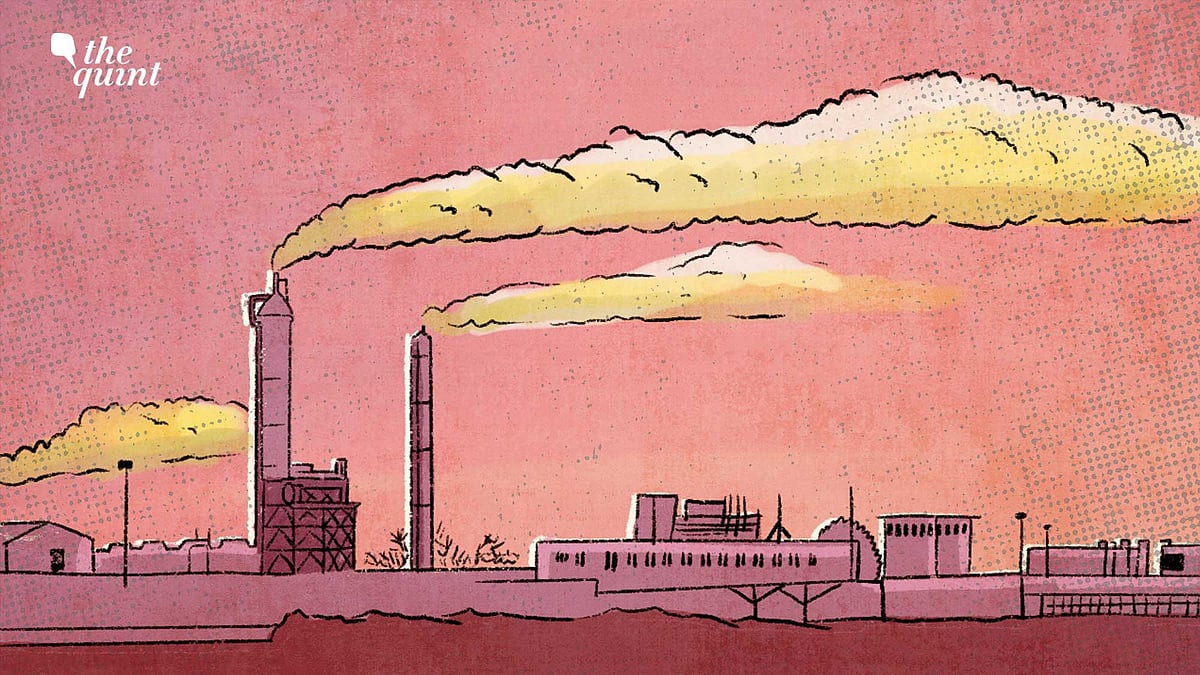
Only in winter does the city hesitate. Visibility drops, smog appears, and there's a media circus about ‘air pollution’ (not on Mr Jhunnu’s favourite channels, but the other ‘bikau’ ones).
Smog, the Enemy of Growth
Mr Jhunnu scoffs, then coughs (quietly). Air pollution, he insists, is an international conspiracy to slow down our country; supported by lazy, jealous countrymen who hate progress.
The idiots have won, he thinks. Mr Jhunnu is clever. To recover his “losses” from the pollution hoax, he eliminates inefficiencies like safety gear and environmental protocols. ‘Green building’ is rebranded in his office as ‘financially green’. When employees and contractors protest, he pacifies them with a slice of profit. After all, everyone wants Development.
A few months later, a chunk of concrete falls from one of his nearly completed towers and lands on a passing girl. She dies instantly. The news channels loop the footage between detergent ads. An FIR is filed. The building site is wrapped in yellow tape. Construction paused permanently.
Justice, Sponsored by Development
Justice is a great comfort, especially when it’s pre-approved by the accused.
Mr Jhunnu is bewildered. WHY HIM? He was building homes, creating jobs, boosting GDP. He followed every standard procedure: bribed the officials, ignored the workers, paid the priests, fed the algorithm. If anything, he is the victim! And fortunately, his Astro Baba confirms it: it’s a planetary error caused by someone’s evil eye. Deeply relieved, Mr Jhunnu gifts one more flat to the Astro Baba in the building. With blessings, he hires the top legal and PR teams.
Mr Jhunnu visits Mrs Dhannu’s tiny home (smaller than the servant quarters in his towers). He arrives with cameras, and a carefully practised expression of national concern. He announces Rs 25 lakh in compensation for the family’s loss, and the sponsorship of Mrs Dhannu’s other daughter’s wedding. He never admits any guilt while doing so, as his able lawyers had recommended.
But Mrs Dhannu and her neighbourhood are overwhelmed by the generosity! They too worship the same God of Development, and finally some prasad has reached them. A photo is taken—Mr Jhunnu and Mrs Dhannu standing next to the portrait of the dead girl. The picture appears next morning on all major platforms—those that matter, and those on his payroll.
The building site reopens and construction resumes. This time, Mr Jhunnu advertises his conscience. New hoardings promise: Luxury Living with Air Purifiers. Guaranteed Indoor AQI: 50 or Below.
Bookings sell out. Investors celebrate. Mr Jhunnu cuts the ribbon under a grey sky. When he looks up, the skyscraper disappears into the smog. He cannot fully see what he’s built, but the prospectus assures him it is beautiful. A swell of patriotic pride fills him.
After all, Development is in the air.
(Kunal Aneja is a series and feature film writer. This is an opinion piece. All views expressed are the author’s own. The Quint neither endorses nor is responsible for them.)
- Access to all paywalled content on site
- Ad-free experience across The Quint
- Early previews of our Special Projects
Published: undefined