
Karbala, Mohyal Brahmins, and the Spirit Driving Iran’s Defiance
The message of Karbala teaches that injustice must be confronted, even when resistance appears futile.
advertisement
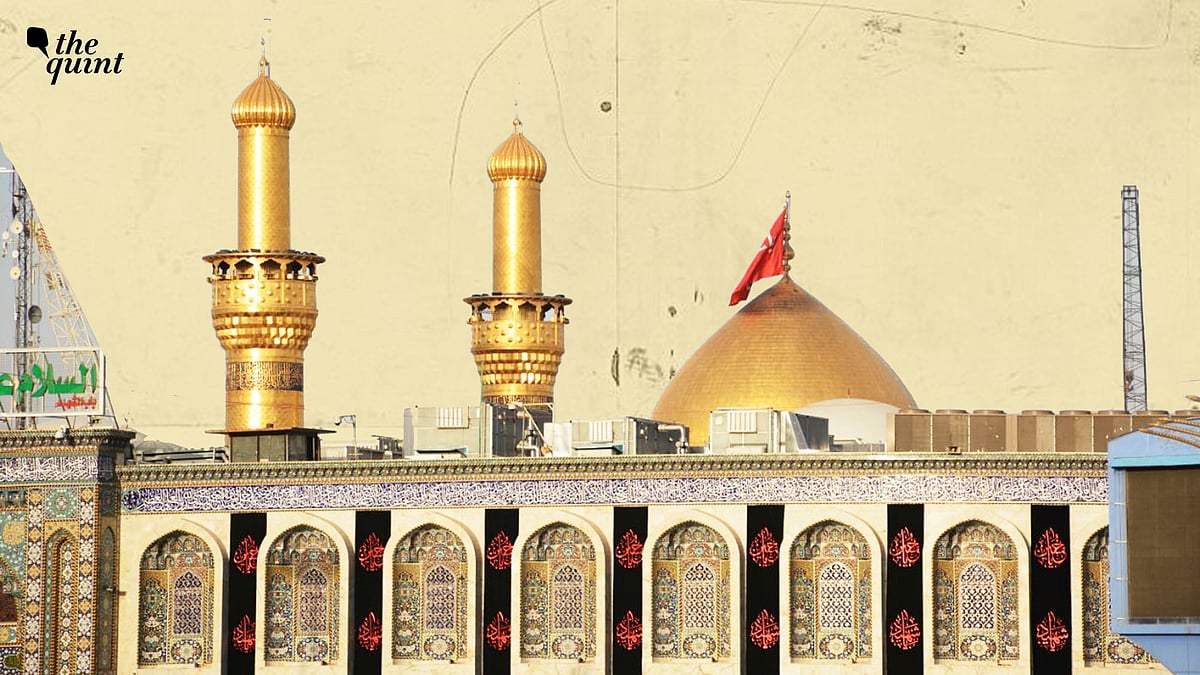
Few events in religious history have shaped collective memory as profoundly as the Battle of Karbala fought in 680 CE. What was, in purely military terms, a brief and unequal confrontation on the plains of Iraq, became one of the most powerful moral narratives in world history. The martyrdom of Imam Hussain—grandson of the Prophet Muhammad—at the hands of the forces of the Umayyad ruler Yazid I transformed a political dispute into an enduring symbol of resistance against injustice.
For Shia Muslims, who form the majority in Iran, Karbala is not simply an episode in early Islamic history; it is the emotional and spiritual axis around which their identity revolves.
Hussain’s refusal to pledge allegiance to Yazid, whom he regarded as an illegitimate and unjust ruler, established a powerful ethical principle: dignity and truth must prevail over expediency and submission. Though Hussain and his small band of companions—traditionally seventy-two in number—were overwhelmed and killed, their sacrifice reshaped the moral imagination of the Muslim world.
Mourning as Moral Memory: The Rituals of Muharram
This legacy is most visibly commemorated during the month of Muharram, particularly on the day of Ashura.
Through gatherings known as majlis and acts of mourning such as matam, believers recount and relive the tragedy of Karbala. These rituals, collectively known as Azadari, are not merely acts of grief. They represent a reaffirmation of moral responsibility: the duty to stand with the oppressed and resist injustice.
Over the centuries, the tragedy of Karbala evolved into a universal metaphor within Shia thought. The phrase “Every day is Ashura and every land is Karbala” encapsulates the belief that the struggle between justice and tyranny is eternal. Hussain’s stand offers a moral template: one must resist injustice even in the face of overwhelming odds – or military might.
The Legend of the Hussaini Brahmins
Yet the story of Karbala also carries echoes beyond the Islamic world. One of the most intriguing traditions associated with the battle is the legend of the Mohyal Brahmins—particularly the Datt clan of Punjab. Known in Shia circles as Hussaini Brahmins, this community represents a remarkable example of cultural and historical intersection between the Indic and Islamic worlds.
According to Mohyal oral traditions and genealogical ballads known as kavits, the clan—to which I belong—traces its lineage to warrior Brahmins who migrated from northern India toward the north-west long before the rise of Islam. Unlike the priestly Brahmins of the Gangetic plains, Mohyals were known as shastradhari—Brahmins who took up arms.
Rahib’s sons—whose names are preserved in clan lore—fought and died defending Hussain’s camp against the vastly larger Umayyad army. In some versions of the story, another contingent of about 200 Mohyal warriors set out from Punjab to join the battle, but arrived too late to take part in the fighting. Rahib himself survived the battle and later returned to India, carrying with him the memory of the tragedy and the honour of having fought for Hussain’s cause.
The legend has given rise to a famous couplet celebrating this unique cultural synthesis:
“Wah Datt Sultan, Hindu ka dharm, Musalman ka iman.”
(Hail King Datt, who possesses the dharma of a Hindu and the faith of a Muslim.)
The story of the Hussaini Brahmins illustrates a historical truth often overlooked in modern debates about civilisational conflict. The moral drama of Karbala transcended religious boundaries. Hussain’s stand against tyranny struck a chord not only with Muslims but also with warriors from distant lands who recognised in his struggle a universal cause.
Karbala’s Echo in Modern Geopolitics
Fourteen centuries later, the message of Karbala continues to shape the worldview of Shia communities across the globe. It teaches that injustice must be confronted, even when resistance appears futile. The memory of Hussain’s martyrdom has produced a culture in which sacrifice is not merely mourned but revered as the ultimate affirmation of moral courage.
In today’s geopolitical climate, particularly amid tensions and conflict involving Iran, this historical consciousness carries important implications. For societies whose identity has been shaped by the memory of Karbala, suffering and sacrifice are not simply tragedies but powerful sources of moral legitimacy. The archetype of Hussain suggests that apparent defeat can, in the long sweep of history, become a form of victory.
In the end, the sands of Karbala remind us that history’s most powerful victories are sometimes won not by those who survive the battlefield, but by those whose sacrifice gives meaning to the struggle for justice itself.
(The author is a Fellow of the Royal Geographical Society and Explorers Club USA, and Editor of ‘Indian Mountaineer’. He is also the founder of Bharatiya Yuva Shakti, an organisation that ensures good leadership at the village level. He tweets @AkhilBakshi1. This is an opinion piece, and the views expressed above are the author’s own. The Quint neither endorses nor is responsible for the same.)
- Access to all paywalled content on site
- Ad-free experience across The Quint
- Early previews of our Special Projects
Published: undefined