
Jamaat-e-Islami’s Return: From Political Exile to Bangladesh’s Main Opposition
Once deregistered, Jamaat swept the northwestern border divisions to emerge as Bangladesh’s main Opposition.
advertisement
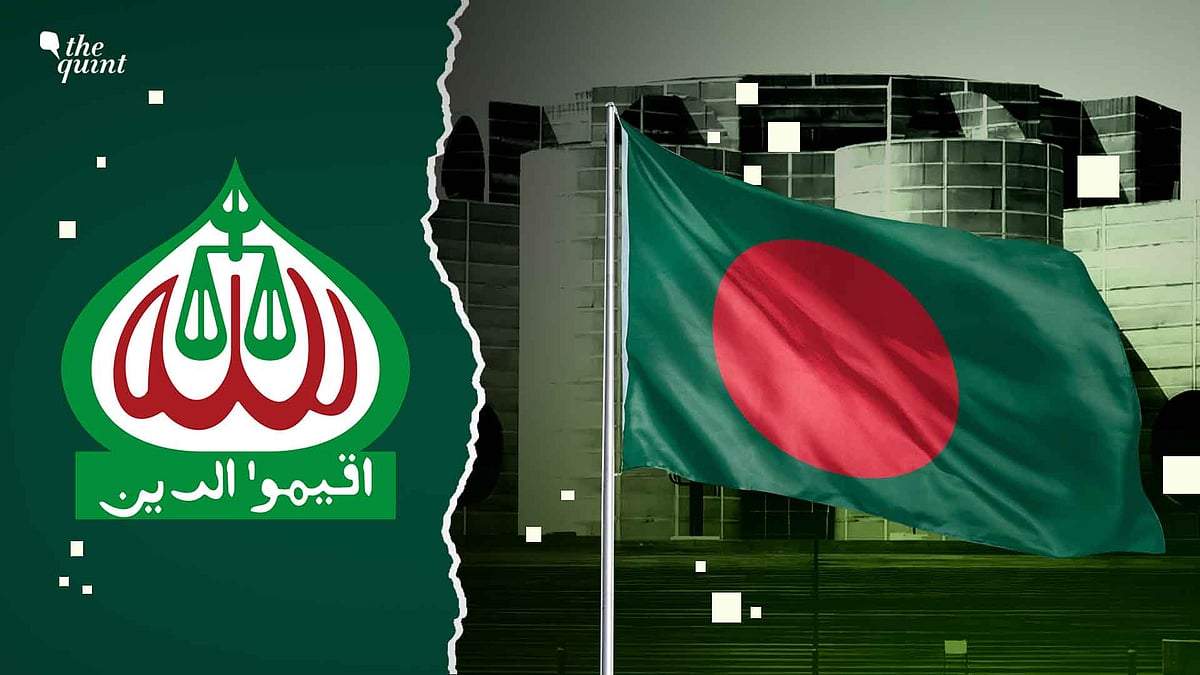
Jamaat-e-Islami—founded in undivided India in 1941 by Islamic scholar Abul Ala Maududi, and now operating in India, Pakistan, and Bangladesh, along with Muslim Brotherhood in Egypt—is counted among the institutions that gave birth to political Islam in the last century.
Active since 1979 in Bangladesh's political landscape, the party has faced many ups and downs. But, today, it has reach a point when it has secured almost one-third of the popular vote in the country’s recently concluded general elections.
Long known for being a coalition dependent party with bigger players like the Bangladesh Nationalist Party (or BNP, which won the latest election), the last time it fought independently was in 1996. It won only three seats then.
The 2024 July movement that ousted Sheikh Hasina from power has appeared to benefit Jamaat and their credibility—given the historical stigma attached to them for their anti-Independence stance during the 1971 Liberation War.
From Ban to Border Surge
This is the same party whose official registration was revoked in a landmark high court judgment in 2013, and therefore, effectively banned from participating in electoral politics. Leading national newspapers by 2020 announced its possible death with no future in Hasina-led Bangladesh.
After the recent elections, the regional superpower India, despite all the hostilities of the past due to Jamaat’s ideological agenda of establishing an Islamic state and past role in persecuting Hindu minorities, has recognised them as a key political player in the region.
Senior members of the BJP and Union ministers in the Modi government like Sukanta Majumdar have pressed the warning bell on Jamaat's excellent electoral performance in Khulna, Rajshahi, and Rangpur division—regions adjacent to West Bengal border.
25 of 36 seats in Khulna, with a vote share of 48.26 percent
In Rajshahi, 11 seats won of 39, with a vote share of 39.71 percent
In Rangpur, 16 of 33 seats, with a vote share of 39.78 percent
Monga and the Margins
The border areas of Bangladesh are one of the most backward regions in the country. Many parts of Rangpur and Rajshahi formed the centre stage of radical peasant movements like Tebhaga on the eve of Indian Independence. During the East Pakistan days, and post-1971, these regions remained poorer than the other regions of Bangladesh.
The famine-like situation hits every year in two spells: a severe period during the Bengali months of Ashwin-Kartik (mid-September to mid-November), and a less severe one during Chaittra-Baishak (mid-March to mid-May).
In recent years, the region has come to be known as Mongaakkranto (Monga-affected), with successive governments finding little success in addressing the crisis. In recent years, Monga has only worsened due to climate change, as repeated natural disasters like flood, riverbank erosion, and drought have led to a migration crisis in the region.
Masooda Bano, Professor in the Department of International Development at University of Oxford, has extensively written on Jamaat-e-Islami's welfare and relief politics in these parts of Bangladesh, where the government failed to do its job due to entrenched corruption and bureaucracy.
Jamaat members also established the Association of Muslim Welfare Agencies in Bangladesh (AMWAB), an apex body of Muslim NGOs in Bangladesh, to make its welfare politics linked to region-specific needs.
Rivers, Reckoning, and a Political Reversal
Given the economic needs of Bangladesh's border regions depend on rivers like Teesta and Ganga (which becomes Padma when it enters Rajshahi division), the river politics between India and Bangladesh has historically been a source of anger, which Jamaat in post-Hasina Bangladesh has exploited well.
Be it the building of Farakka Barrage in 1971, which reached the doors of the United Nations for mediation; to the signing of Indira Gandhi-Mujib water sharing treaty in 1977; or the Teesta water treaty that West Bengal Chief Minister Mamata Banerjee has firmly opposed till date—the river politics impacts the region enormously. Local experts believe that the Teesta waters may solve the woes of the Monga-affected region.
Jamaat-e-Islami has often found itself on the wrong side of history until now—be it in 1947, when they faced the brunt of Pakistani nationalism because of their opposition to Partition; or in 1971 when they stood against Bengali nationalism to keep East and West Pakistan intact to preserve Muslim unity.
Now, though the BNP will govern with a two-third majority, in the absence of the Awami League, Jamaat is the only oppositional force in the country for the first time. And, right now, it can dream that if the BNP ends up ruling the nation like in 2001-2006 (when Jamaat was in coalition with the party) with charges of endemic corruption, economic mismanagement, and anti-minority violence, they can form the next government.
(Adil Hossain is a faculty at the School of Development, Azim Premji University. He can be reached at @adilhossain. This is an opinion piece and the views expressed are the author’s own. The Quint neither endorses nor is responsible for the same.)
- Access to all paywalled content on site
- Ad-free experience across The Quint
- Early previews of our Special Projects
Published: undefined