
5 Takeaways of Sena vs Sena: No Clear Winner, But Both Save Face
Mumbai emerges as a political ventilator for Uddhav Thackeray, while Eknath Shinde's BJP alliance pays off.
advertisement
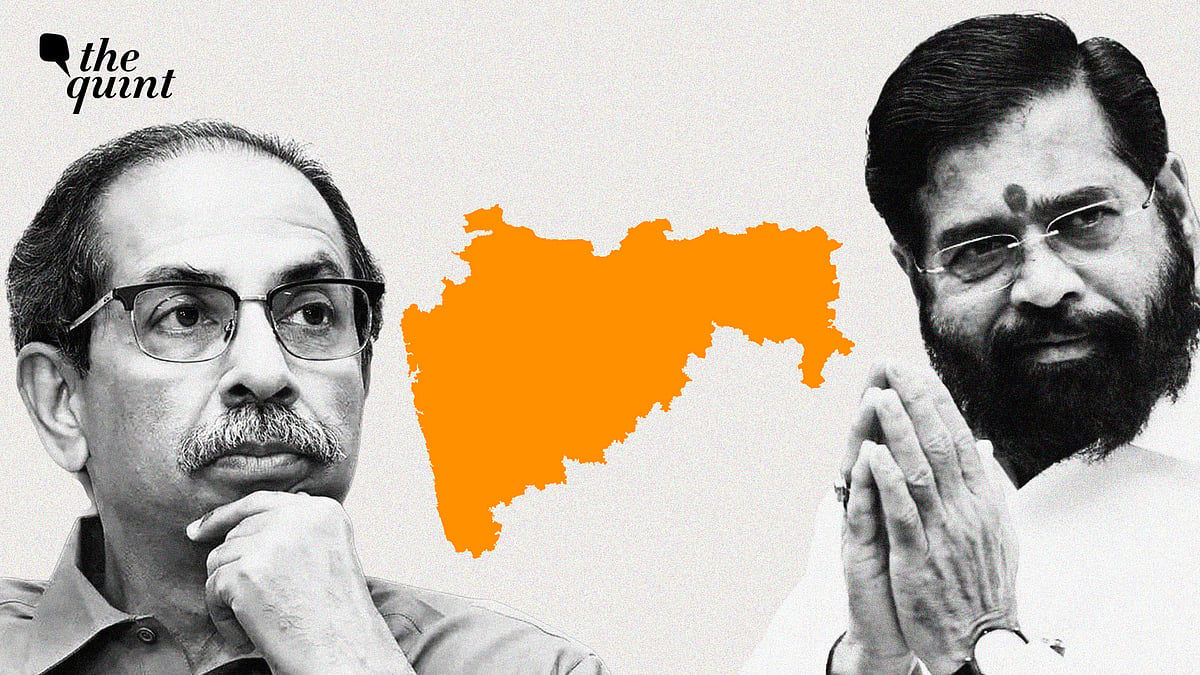
While the Bharatiya Janata Party (BJP) is set to dominate Maharashtra's municipal bodies, secured a majority in 20 out of 29 municipal corporations, these elections, like every election since the Shiv Sena split, have echoed the same question: Who is the real Shiv Sena?
The Eknath Shinde-led Shiv Sena has retained its grip over Thane and expanded its presence across several other cities with the BJP’s backing. The Uddhav Thackeray-led Shiv Sena (UBT) has performed better than many expected, especially in Mumbai.
Counting is still underway but the results do not offer a single decisive winner in the Sena Vs Sena contest. Here are some key trends:
1) Mumbai is Uddhav Thackeray's Saving Grace
This may be the first time in three decades that the Thackerays have lost control of the BMC, but this is not the end of the game for Uddhav Thackeray.
Shiv Sena (UBT) party has done significantly better than Shinde Sena in Mumbai's municipal corporation election. Shiv Sena UBT won in 60 wards, including five out of six seats in traditional Sena constituencies such as Worli-Prabhadevi, and MNS winning Dadar and Shivaji Park. Shinde Sena, meanwhile, won in 29 wards.
The Marathi manoos pitch with his cousin Raj Thackeray appears to have resonated with traditional Sena voters, just not enough to counter BJP's development and Hindutva narrative.
2) Thane Remains Shinde’s Stronghold, Except..
Eknath Shinde has once again proved that Thane is his strongest turf. In the Thane Municipal Corporation, his faction won 75 out of 87 seats while Uddhav Thackeray's Sena secured just one seat, despite contesting 53 wards. BJP is leading in 14 seats, while the NCP has won seven.
However, in a surprising turn of events, a UBT candidate defeated Shinde’s nominee in Ward 14A, where Shinde’s own residence is located. Shahaji Khusphe won by 557 votes over former mayor Ashok Vaiti, showing that pockets of resistance for Uddhav remain.
3) Shinde’s Edge Beyond Mumbai–Thane
Nearly four years after the split, Uddhav Thackeray has still struggled to diversify outside Mumbai. The Shinde-led Sena has fared performed competitively as part of the Mahayuti alliance, leading in key municipal bodies such as Kalyan-Dombivli and Ulhasnagar.
Shinde’s alliance with the BJP has translated into effective vote transfer, while the opposition appeared fragmented. Access to state power, organisational reach, and a stronger grassroots network have given the Shinde camp a clear advantage in local elections.
The exception remains the Parbhani Municipal Corporation, where Shiv Sena UBT has emerged as the single largest party, winning 25 seats, highest among all parties.
4) Uddhav Performs Despite a Weaker Ally
The much-hyped reunion between the Thackerays may have hurt Uddhav much more than benefited him.
Leaving the MVA alliance to partner with Raj Thackeray was a political gamble that may have cost UBT support among Muslim and Dalit voters. An alliance with Congress may have well gotten UBT Sena a higher share of the "secular vote." The MNS’s aggressive Marathi pride rhetoric, including slogans like “Hatao lungi, bajao pungi”, probably also alienated non-Maharashtrian voters.
Yet, UBT managed a respectable showing. The partnership added more symbolic value than actual vote-transfer strength, but Uddhav performed better than what exit polls had predicted, suggesting that emotional loyalty to Bal Thackeray's blood is not completely gone yet.
The outcome also raises questions about what lies ahead for the cousins, who had signalled that their reunion was limited to the municipal polls.
5) Who is the ‘Real’ Shiv Sena? The Question Remains
The results show that neither faction has been able to completely wipe out the other.
The question remains unanswered to its finality, but the elections make some things clear: Uddhav's faction is not dead yet and does hold a significant emotional connect in Mumbai, but requires much more than that to be a dominant force in Maharashtra’s new triple-engine political reality.
Shinde, meanwhile, enjoys organisational strength and the backing of the BJP, but will need fresh political pitches to consolidate his position further.
- Access to all paywalled content on site
- Ad-free experience across The Quint
- Early previews of our Special Projects
Published: undefined