‘No Option Left’: Top Court Sends Judicial Officers to Monitor Bengal SIR
Supreme Court orders judicial officers for West Bengal SIR amid ECI-State dispute.
advertisement
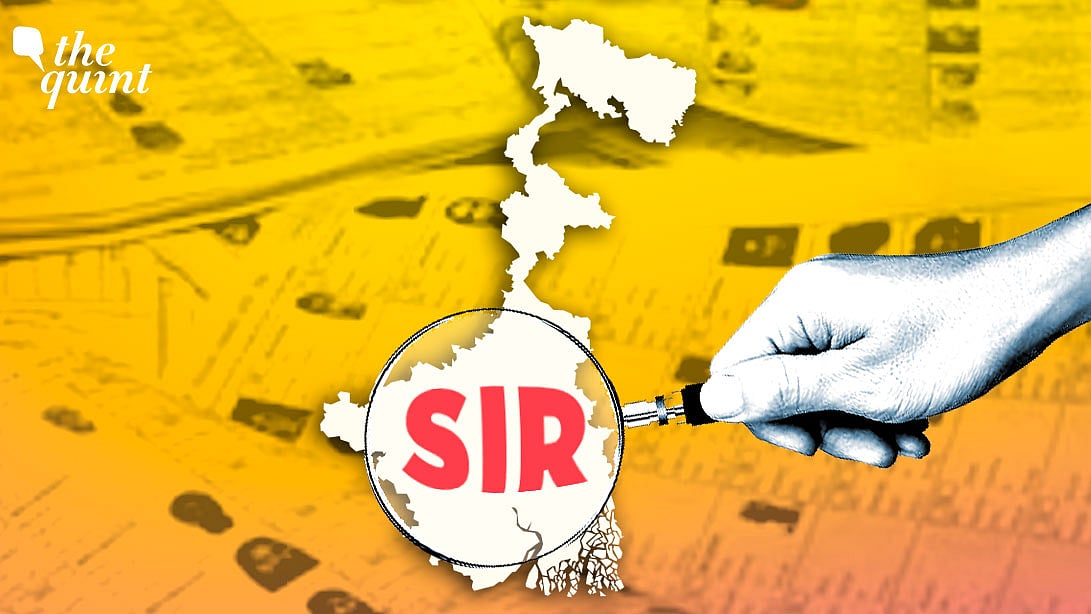
The Supreme Court has directed the deployment of judicial officers, including retired judges, to oversee the Special Intensive Revision (SIR) of electoral rolls in West Bengal. This decision follows ongoing disputes between the Election Commission of India (ECI) and the State government regarding the qualification and availability of officers for the revision process. The Court’s intervention aims to ensure the fair adjudication of claims and objections related to the inclusion or exclusion of voters ahead of the upcoming Assembly elections.
According to Bar and Bench, the Supreme Court bench led by Chief Justice Surya Kant observed a “trust deficit” between the State and the ECI, citing a blame game that had stalled the SIR process at the stage of claims and objections. The Court stated, “There is an unfortunate blame game of allegations and counter allegations which shows trust deficit between two constitutional functionaries – that is the State government and the Election Commission of India.”
As highlighted by undefined, the Supreme Court described the situation as “extraordinary,” requiring judicial intervention to ensure fairness. The bench instructed the Calcutta High Court to assign both current and retired district judges to assist in the disposal and review of claims under the logical discrepancy list. The Court emphasised that the involvement of judicial officers was necessary due to the lack of cooperation and communication from the State government.
In its order, the Supreme Court requested the Chief Justice of the Calcutta High Court to spare serving and former judicial officers in the rank of Additional District Judge or District Judge for each district. These officers are to be assisted by ECI and State officials. The Court acknowledged that this direction could impact the hearing of regular court cases, as judicial resources would be diverted to the SIR exercise as coverage revealed.
During the proceedings, the ECI alleged that the State was not providing sufficiently qualified Group A officers for the roles of Electoral Registration Officers (EROs) and Assistant Electoral Registration Officers (AEROs). The Supreme Court expressed disappointment with the State’s response, noting delays in communication and a lack of clarity regarding the rank of officials assigned. The bench remarked, “You are not providing competent Group A officers. How can incompetent officials decide the fate of the people?” following reports.
“In order to ensure fairness in adjudication of genuineness of documents submitted and consequent inclusion or exclusion in voter list, we are left with hardly any other option but to request Chief Justice of Calcutta High Court to spare some serving judicial officers along with some former judicial officers in the rank of Additional District Judge or District Judges who can then in each district aid in disposal or revisiting of the claims under the logical discrepancy list,” the Supreme Court stated.
The Supreme Court also addressed concerns about the impact of the SIR process on the finalisation of the electoral roll. With the deadline for publishing the final roll approaching, the fate of over two lakh electors remains uncertain due to upload and verification hurdles. In particular, documents for around 1.14 lakh electors could not be uploaded by the stipulated deadline, and verification of documents issued by other states has been delayed as analysis showed.
Chief Minister Mamata Banerjee raised concerns about the deletion of voters, especially those under the “Logical Discrepancy” category, and questioned the timing and urgency of the SIR process. The Supreme Court, however, clarified that it would not allow any impediments to the conduct of the SIR and warned the West Bengal Director General of Police about the need for action on complaints of violence and intimidation during the revision process as details emerged.
The Election Commission has indicated that the final list may be published after 28 February, but it will not be considered final until supplementary lists are released. The Supreme Court’s directions are expected to facilitate the completion of the SIR process and address the concerns of all stakeholders involved as reporting indicated.
Note: This article is produced using AI-assisted tools and is based on publicly available information. It has been reviewed by The Quint's editorial team before publishing.