Supreme Court Declines Plea Seeking Probe Into Cockroach Janta Party Activities
Supreme Court, led by CJI Surya Kant, declined urgent hearing on CJP probe plea amid ongoing controversy.
advertisement
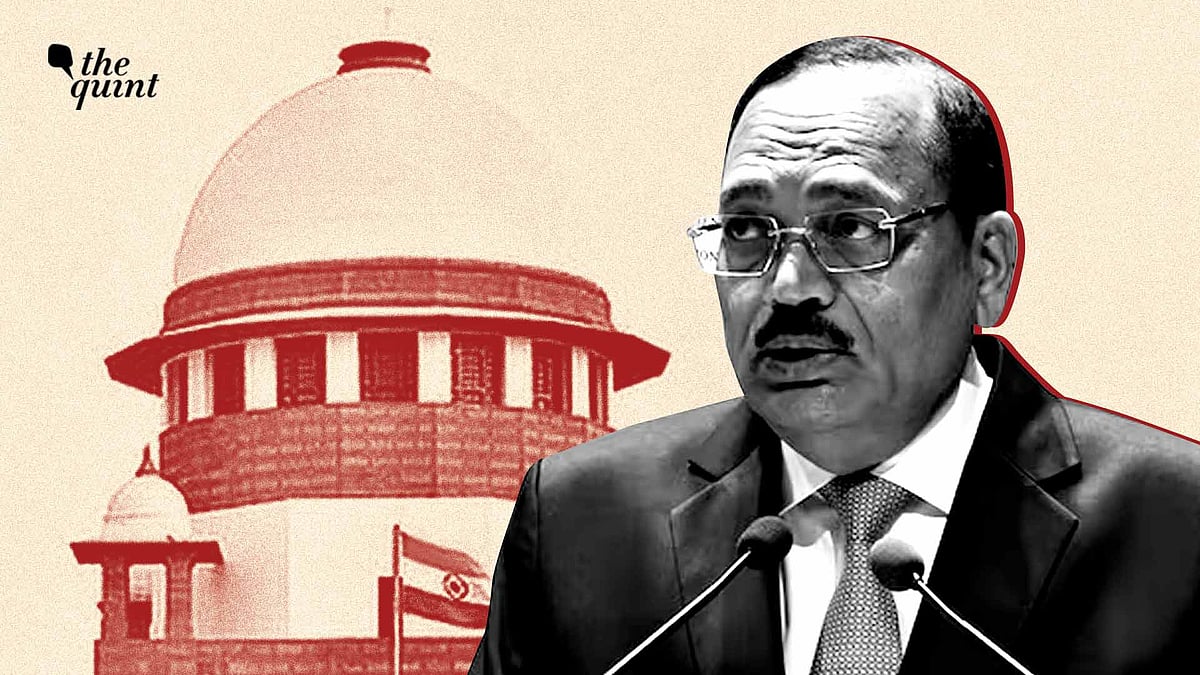
The Supreme Court of India, presided over by Chief Justice of India Surya Kant, on 25 May 2026 declined to grant an urgent hearing to petitions seeking a Central Bureau of Investigation (CBI) probe into the activities of the Cockroach Janta Party (CJP). The petitions alleged commercial exploitation of courtroom remarks and raised concerns about fake law degrees. The controversy originated from remarks made by CJI Surya Kant during a hearing on 15 May 2026, which led to widespread public and online reactions.
According to Deccan Herald, the bench led by CJI Surya Kant told the petitioner’s counsel not to take the issue “so sentimentally” and stated that there was no grave urgency in the matter. The plea sought a CBI investigation into alleged fake advocates and the commercial use of oral observations made during court proceedings.
As reported by Hindustan Times, the CJI’s remarks during the hearing included a clarification that his earlier comments, which compared certain individuals to “cockroaches” and “parasites,” were directed at those entering the legal profession with fake degrees, not at unemployed youth in general. The clarification followed significant backlash and the rapid rise of the CJP as a satirical online movement.
As highlighted by Bar and Bench, the petitioners argued that courtroom exchanges were being used for commercial purposes and that the CJP’s activities included trademark applications and monetised digital circulation of judicial remarks. The bench reiterated that the matter would be considered in due course and did not warrant immediate intervention.
Further details indicated that the petitioners expressed concern over the transformation of judicial proceedings into viral online content, arguing that such practices could erode public confidence in the judiciary. The plea also referenced statements from the Bar Council of India regarding the prevalence of fake advocates in the legal profession.
“Don’t take it so sentimentally,” CJI Surya Kant told the petitioner’s counsel, emphasizing the lack of grave urgency in the matter.
Coverage revealed that the CJP, described as a satirical social media movement, gained significant traction before its online handles were suspended. The movement was initiated in response to the CJI’s remarks and quickly amassed millions of followers, reflecting widespread youth engagement with issues of unemployment and institutional accountability.
The analysis showed that the CJP’s founders and supporters positioned the movement as a platform for youth voices, focusing on systemic issues such as paper leaks, unemployment, and lack of accountability. The group’s rapid growth also led to concerns about phishing scams and the safety of its founder’s family, prompting police deployment as a precautionary measure.
As noted in an article by The Hindu, the petition in the Supreme Court was not intended to challenge fair criticism or satire but to address the alleged organised commercial exploitation of court proceedings. The petitioner argued that metaphorical references in judicial discourse have historical precedent but expressed concern over their use in viral digital content detached from procedural context.
“Isolated fragments of oral proceedings are selectively clipped, meme-ified, mimicked, commercially circulated, and transformed into viral digital content detached from constitutional and procedural context,” the petition stated.
Statements from political leaders indicated that the CJP’s emergence has not significantly affected the popularity of Prime Minister Narendra Modi among youth, according to Haryana Chief Minister Nayab Singh Saini. He dismissed the notion that the movement reflected widespread youth anger, attributing its rise to opposition narratives and media misquoting of judicial remarks.
Note: This article is produced using AI-assisted tools and is based on publicly available information. It has been reviewed by The Quint's editorial team before publishing.