Lok Sabha Passes VB-G RAM G Bill Amidst Opposition Protests
The Opposition called for the VB-G RAM G bill to be sent to a parliamentary committee before it is enacted into law.
advertisement
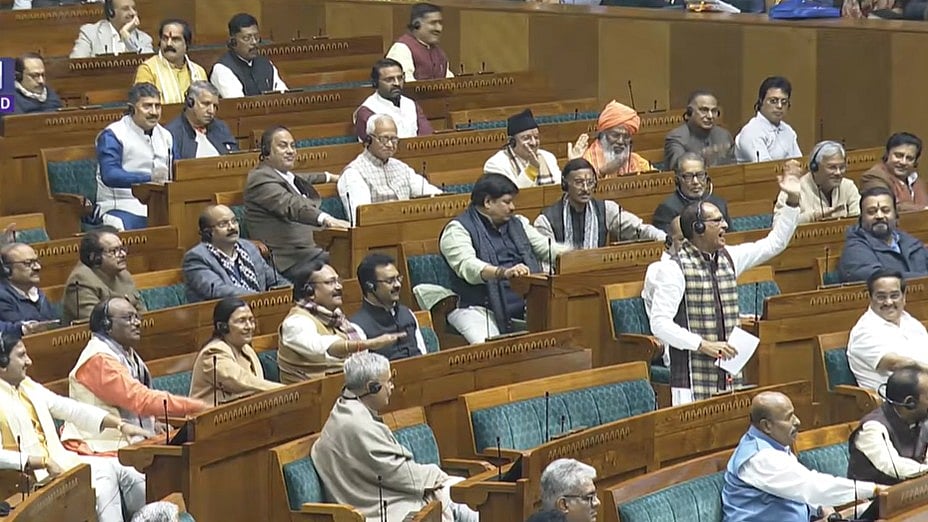
The Lok Sabha passed the Viksit Bharat Guarantee for Rozgar and Ajeevika Mission (Gramin) Bill, 2025 (VB-G RAM G Bill) on 18 December 2025, despite intense protests from opposition members who expressed their discontent by tearing copies of the bill. The bill aims to replace the existing Mahatma Gandhi National Rural Employment Guarantee Act (MGNREGA) and guarantees 125 days of employment annually for rural households.
Union Minister for Rural Development Shivraj Singh Chouhan defended the bill during an eight-hour debate, asserting that it aligns with the ideals of Mahatma Gandhi. He stated that the government is committed to improving rural employment and welfare through this new initiative, which he claims addresses shortcomings in MGNREGA. The Deccan Herald reported that the opposition's uproar included slogans demanding the retention of MGNREGA.
During the debate, Chouhan highlighted that the new bill would ensure better allocation of resources and employment opportunities in rural areas. He criticised the previous MGNREGA framework for its inefficiencies, stating that states often spent more on labor than on material procurement. The publication noted that the bill was passed by voice vote amid significant opposition protests.
Opposition members, including those from the Congress and DMK, vehemently opposed the bill, arguing that it undermines the rights guaranteed under MGNREGA. They expressed concerns that the new framework would limit employment opportunities and shift financial burdens onto state governments. The Indian Express reported that many MPs criticised the removal of Mahatma Gandhi's name from the bill, viewing it as a disrespect to his legacy.
RJD MP Manoj Jha wrote an open letter urging fellow parliamentarians to oppose the VB-G RAM G Bill, emphasising the importance of MGNREGA as a moral commitment to the poorest citizens. He argued that the new bill dismantles the legal guarantees provided by MGNREGA, which has been a crucial support system for rural employment since its enactment in 2005. The account said that Jha's appeal highlighted the need for a more inclusive approach to rural employment legislation.
Chouhan countered the opposition's claims by stating that the new bill would provide a more structured approach to rural employment, with a focus on ensuring that funds are allocated effectively. He mentioned that the government aims to prioritise underdeveloped regions to enhance their development. The report noted that the government plans to implement grading for panchayats to ensure equitable distribution of employment opportunities.
Despite the government's assurances, many opposition leaders remain skeptical about the bill's potential impact on rural employment. They argue that the shift from a rights-based framework to a scheme dependent on central allocations could lead to increased vulnerability for rural workers. The publication further reported that the opposition has called for the bill to be sent to a parliamentary committee for further scrutiny before it is enacted into law.
Note: This article is produced using AI-assisted tools and is based on publicly available information. It has been reviewed by The Quint's editorial team before publishing.