Lok Sabha Sends FCRA Amendment Bill To JPC Amid Uproar
Lok Sabha refers FCRA Amendment Bill, 2026 to Joint Parliamentary Committee amid opposition protests.
advertisement
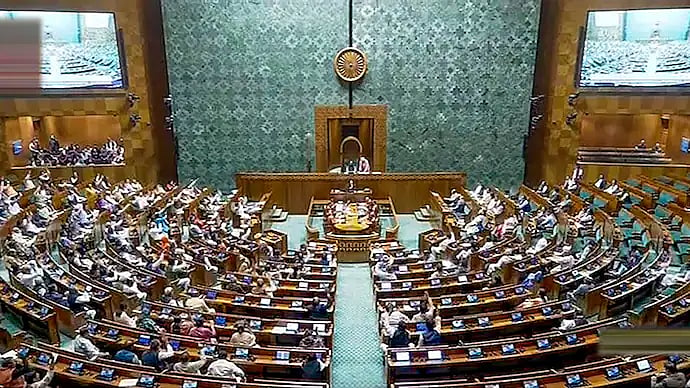
The Lok Sabha on 12 August 2026 referred the Foreign Contribution (Regulation) Amendment Bill, 2026 to a Joint Parliamentary Committee (JPC) following significant protests from opposition parties. The motion to send the Bill to the JPC was added to the supplementary list of business shortly before the House reconvened in the afternoon. The committee is tasked with reviewing the Bill and submitting its report by the end of the first week of the Winter Session of Parliament this year.
According to The Hindu, the JPC will comprise 31 members, with 21 from the Lok Sabha and 10 from the Rajya Sabha. The Speaker of the Lok Sabha and the Chairman of the Rajya Sabha will nominate the respective members. The referral came amid opposition demands for the Bill’s withdrawal, with concerns raised about its impact on minority-run institutions and NGOs.
As highlighted by The Hindu, the Bill proposes that if an organisation loses its FCRA registration—whether through cancellation, non-renewal, or failure to apply for renewal—its foreign funds and assets created with such funds will automatically transfer to a government-designated authority. The property may only be returned if the organisation re-registers within a government-specified period; otherwise, it is forfeited permanently.
Opposition MPs, including K.C. Venugopal of the Congress and Akhilesh Yadav of the Samajwadi Party, argued that the Bill targets NGOs, especially those run by minority communities. Debate in the House included demands for the Bill’s withdrawal and calls for the Home Minister to clarify its provisions. The government, represented by Minister of State for Home Nityanand Rai, maintained that the Bill is not aimed at any minority group and challenged the opposition to identify any discriminatory clauses.
Further analysis showed that the Bill allows for an appeal to a district judge only regarding the authority’s actions with the property, not against the refusal to renew registration. The refusal itself is not subject to appeal, and organisations are not entitled to a hearing before such a decision is made. This has raised concerns about transparency and due process for affected NGOs.
“The JPC, to which the Bill has been sent, should redraft it to provide organisations with an opportunity to be heard before renewal is refused, as well as a right to appeal against such a refusal, among other changes that would make the regulation fair and transparent,” the editorial stated.
Midway through the session, coverage revealed that the Kerala High Court recently ruled that funding peaceful protests is not grounds for cancelling an NGO’s FCRA registration. The court emphasised the need for material evidence and due process, reinforcing concerns about the Bill’s potential impact on civil society organisations.
Opposition to the Bill has also emerged from state governments and religious organisations. Reporting indicated that Christian institutions, particularly in Mizoram and Kerala, have objected to the Bill, and the Tamil Nadu Assembly has passed a resolution urging its withdrawal. The Home Minister has assured that the Bill will not apply retrospectively, but the text of the Bill does not explicitly support this assurance.
At the end of the debate, as details emerged, the Lok Sabha proceeded to pass other legislation without discussion, while the Speaker appealed for orderly conduct and emphasised the importance of maintaining the dignity of the House.
Note: This article is produced using AI-assisted tools and is based on publicly available information. It has been reviewed by The Quint's editorial team before publishing.