Iran Retaliates With Missile Strikes on Gulf States After US Bombings
Iran launches missile strikes on US bases in the Gulf after US bombings, escalating regional conflict.
advertisement
Iran launched a series of missile attacks targeting United States military bases in the United Arab Emirates, Qatar, and other Gulf countries following US airstrikes on Iranian sites.
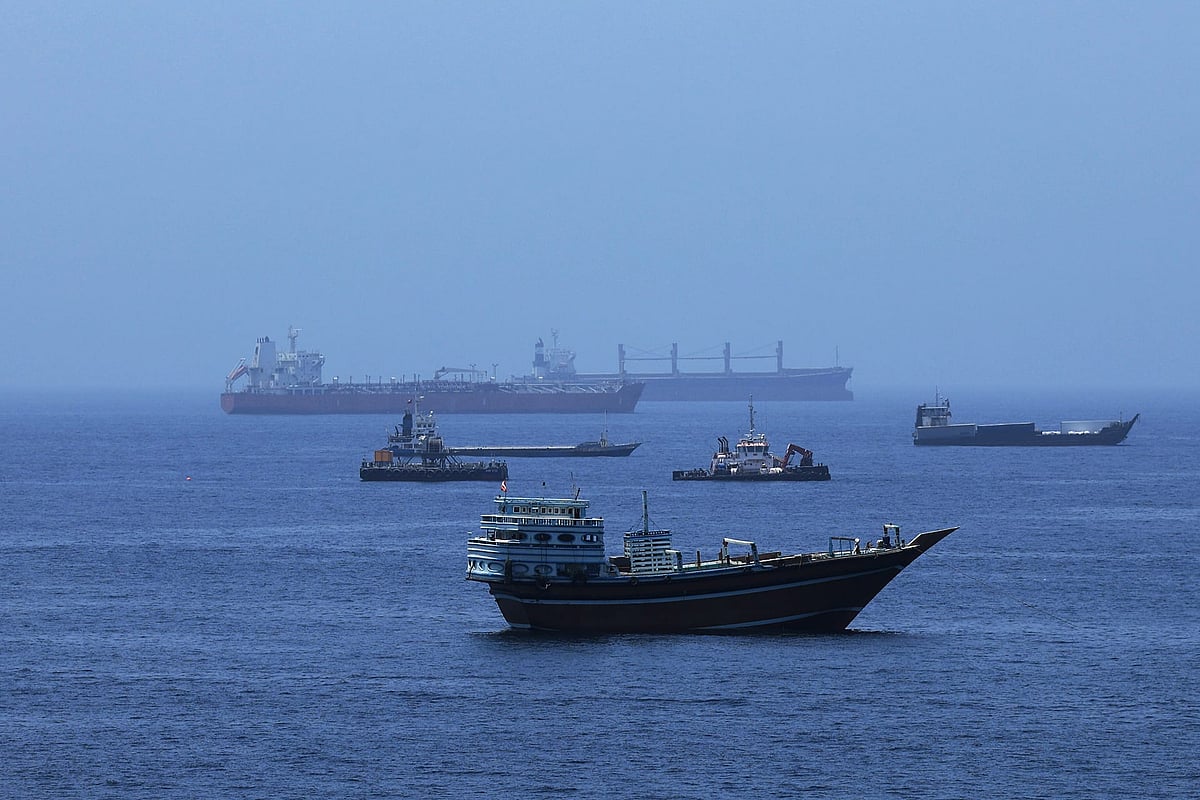
The Iranian Revolutionary Guard Corps claimed responsibility for the strikes, which came hours after the US targeted Iranian missile and drone facilities in response to an attack on a commercial vessel in the Strait of Hormuz. The situation led to the closure of the Strait, a critical global shipping route, and heightened security alerts across the region.
According to Financial Express, Iran’s missile barrage struck US military installations in the UAE and Qatar, with the Revolutionary Guard claiming significant damage to the Al-Udeid air base in Qatar and the Prince Hassan air base in Jordan. The attacks followed US strikes on approximately 140 Iranian targets, including missile launch sites and communication facilities.
As reported by The Hindu, the United States launched its third round of strikes this week, focusing on Iranian military infrastructure. Iran’s Revolutionary Guard stated it had disabled a second vessel in the Strait of Hormuz and targeted US strategic assets in the region. The United Arab Emirates and Qatar both activated air defence systems in response to the incoming missiles and drones.
As highlighted by Hindustan Times, the Islamic Revolutionary Guard Corps announced the closure of the Strait of Hormuz “until further notice,” stating that no vessels would be allowed to pass until foreign interference ceased. The closure has raised concerns over global energy supplies, as the strait is a vital route for oil and gas shipments.
Coverage revealed that the US military justified its strikes as necessary to degrade Iran’s ability to attack civilian mariners and commercial ships. A Cyprus-flagged container ship was reportedly struck by Iran, suffering significant engine room damage, with one crew member missing. The United Kingdom Maritime Trade Operations agency confirmed the crew abandoned the vessel after the attack.
Iran’s Supreme Leader Mojtaba Khamenei issued a statement vowing revenge for the killing of his father and predecessor, Ayatollah Ali Khamenei, during earlier US-Israeli strikes.
“Vengeance is the will of our nation and must inevitably be carried out,” Mojtaba Khamenei stated, according to official communications.
The escalation in rhetoric has further undermined diplomatic efforts to restore a ceasefire.
Diplomatic channels remain active as reporting indicated, with Oman proposing mechanisms to reopen shipping routes in the Strait of Hormuz. However, Iran has not approved these proposals, and negotiations have stalled amid ongoing military actions and mutual accusations of violating previous agreements.
US Defence Secretary Pete Hegseth warned that Iran would face severe consequences for its actions, stating, “Iran made a poor choice. Now they pay.” Analysis showed that the US had given Iran a deadline to halt attacks on commercial shipping and publicly declare the Strait open, but Iran’s continued military actions led to further escalation.
Regional governments, including those in Bahrain and the UAE, issued public safety alerts and urged residents to seek shelter during the missile attacks. Following reports, explosions were heard in multiple Gulf cities, and air defence systems were engaged to intercept incoming threats.
The ongoing conflict has disrupted global shipping, with tanker traffic through the Strait of Hormuz significantly reduced.
“No vessel or naval craft will be allowed to pass,” the Iranian Revolutionary Guard Corps declared, intensifying concerns over energy security and regional stability.
Note: This article is produced using AI-assisted tools and is based on publicly available information. It has been reviewed by The Quint's editorial team before publishing.