Gig Workers May Need 90 Days of Work to Avail Social Security Benefits: Centre
The final rules are expected to be notified in March, with implementation from 1 April 2026.
advertisement
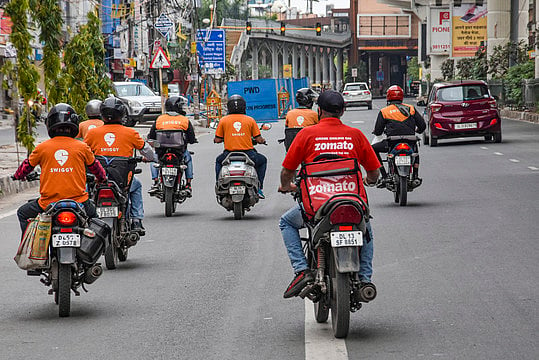
The Union government has released draft rules requiring gig and platform workers to be engaged for at least 90 days with a single aggregator, or 120 days across multiple aggregators, within a financial year to qualify for social security benefits.
The notification was issued on 30 December 2025, ahead of recent nationwide strike by gig workers demanding improved conditions and welfare measures. The rules also mandate registration on a central portal and regular updates of personal details for continued eligibility.
“Gig and platform workers must be engaged for at least 90 days with an aggregator, or at least 120 days in the case of multiple aggregators, within a financial year to be eligible for social security benefits,” the draft rules state.
According to Hindustan Times, the draft rules specify that a gig worker is considered engaged for a day if they earn any income from an aggregator on that calendar day, regardless of the amount. For those working with multiple aggregators, engagement days are counted cumulatively, and working for several aggregators on the same day counts as multiple days of engagement.
As reported by The Hindu, the new rules were announced as food delivery platforms experienced a surge in orders during New Year’s Eve, despite ongoing strikes by gig workers. The platforms stated that the agitation had negligible operational impact, with companies like Zomato and Blinkit delivering record order volumes.
As highlighted by The Indian Express, the government’s move follows a decade-long rise in gig and platform workers, with estimates projecting the workforce to reach 23.5 million by 2029-30. The Code on Social Security requires aggregators to contribute 1-2 percent of their turnover to a social security fund, which will finance welfare schemes for these workers.
As noted in an article by The News Minute, over two lakh gig workers participated in a nationwide strike on New Year’s Eve, demanding social security, assured wages, and comprehensive labour protections. The strike was organised by national unions, including the Indian Federation of App-Based Transport Workers and the Gig and Platform Service Workers Union.
This report noted, the government has opened a 30-45 day window for public feedback on the draft rules under the four new labour codes, including the Code on Social Security. The final rules are expected to be notified in March, with implementation from 1 April 2026.
The draft rules also require Aadhaar-linked registration for all unorganised workers above 16 years of age and the issuance of digital identity cards. This article added, the e-Shram portal will serve as the national database for registration, and workers must regularly update their information to maintain eligibility for benefits.
This report highlighted, companies have responded to recent strikes by offering higher incentives and perks to gig workers, while some workers have raised concerns about the lack of fixed working hours, job security, and support in case of accidents or emergencies.
This news report said, Zomato CEO Deepinder Goyal emphasised that the gig economy remains a major job creation engine, and that the system continues to attract workers despite ongoing debates about fairness and working conditions.
Note: This article is produced using AI-assisted tools and is based on publicly available information. It has been reviewed by The Quint's editorial team before publishing.