"Too Violent": YouTube Removes Anand Patwardhan's National Award Winning Film
"It is an expose of violence, not an endorsement of it. Shame on Youtube" Patwardhan wrote in a Facebook Post.
advertisement
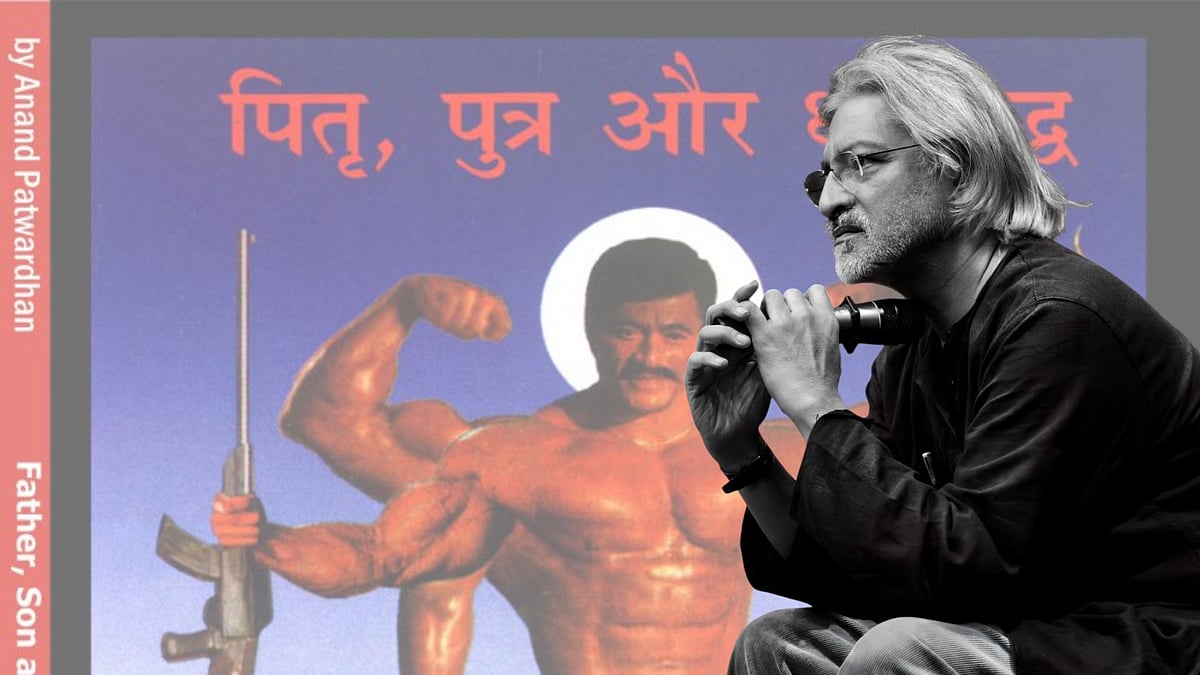
Documentary filmmaker Anand Patwardhan’s 1995 film ‘Father, Son and Holy War’ was recently removed from his official YouTube channel. The removal was reportedly due to the platform’s assessment that the content was “too violent.” The film, which has received national and international recognition, remains available on another YouTube channel.
According to The Observer Post, Patwardhan criticised YouTube’s decision, stating that the documentary exposes violence rather than promotes it. He highlighted that the film had previously received a U/A censor certificate, two National Film Awards, and was ordered by the Supreme Court of India to be broadcast on Doordarshan in the public interest.
As reported by Scroll, Patwardhan described the removal as an act of censorship. He emphasised that the documentary records violence caused by religious fanatics and politicians, and is intended as an exposé, not an endorsement. The film examines the intersection of religious extremism, masculinity, and communal violence in India.
The documentary, completed over seven years and released in two parts, won two National Film Awards in 1995 for Best Investigative Documentary and Best Film on Social Issues as coverage revealed. It also received the International Jury Prize at the Bombay International Film Festival in 1996.
In a statement posted on social media, Patwardhan said:
“It is a documentary that records the violence caused by religious fanatics and politicians vying for power. It is an expose of violence, not an endorsement of it. Shame on YouTube. Remove the censors, not good sense.”
Legal challenges have marked the film’s history. In 2001, Doordarshan refused to air the documentary, prompting Patwardhan to seek judicial intervention. The Bombay High Court ruled in his favour, but the broadcaster appealed to the Supreme Court. In 2006, the Supreme Court directed Doordarshan to telecast the film, calling the refusal “highly irrational” and a violation of freedom of speech and expression under Article 19(1)(a) as analysis showed.
Patwardhan has faced similar restrictions on YouTube before. In 2019, the platform imposed an age restriction on his 1992 documentary ‘Ram Ke Naam’, despite its U certificate from the Central Board of Film Certification. The film, which examines the campaign to build a Ram temple at the Babri Masjid site, now opens with a disclaimer about potentially inappropriate content as reporting indicated.
Other works by Patwardhan, such as the 2011 documentary ‘Jai Bhim Comrade’, have also reportedly faced restrictions on the platform. This film explores the lives of Dalits in Mumbai and the 1997 Ramabai Nagar police firing, where ten members of the community died during a protest as details emerged.
The recent removal of ‘Father, Son and Holy War’ has reignited debate about digital content moderation and the treatment of documentaries addressing political and social issues on online platforms. The controversy has drawn attention to the ongoing challenges faced by filmmakers in ensuring access to their work in the digital era as further coverage confirmed.
Note: This article is produced using AI-assisted tools and is based on publicly available information. It has been reviewed by The Quint's editorial team before publishing.