
LPG Shortage: 'We Specialise in Thalis, Induction Cooking Isn't Suitable for Us'
'We have shortened our menu from 150 items to 20, focusing on dishes that don't need restarting the gas repeatedly.'
advertisement
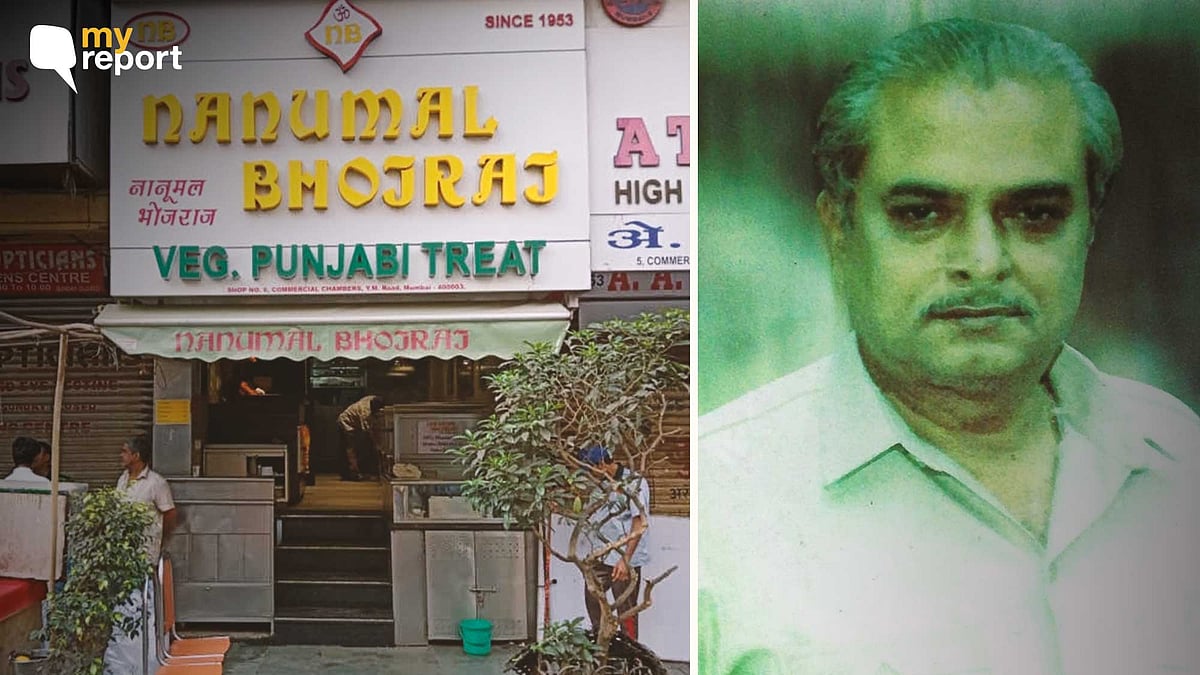
All outlets of my 75-year-old restaurant chain, Nanumal Bhojraj, in Pune and Mumbai have been facing a severe disruption in the LPG supply for the past one week amid the ongoing war in West Asia.
We have a total of 12 restaurants run by different members of our family. Three of them—located in Dadar, Prarthana Samaj, and Santacruz—have already shut down due to the shortage, and we are struggling to manage the remaining ones.
Our restaurants specialise in varied thali options as well as traditional Punjabi dishes like paneer butter masala and dal tadka. The menu depends on the availability of gas cylinders.
Each restaurant requires at least 3-5 gas cylinders a day, but supply is inconsistent—sometimes we receive two, sometimes one, and occasionally none at all.
I'm hearing from our groups that the shortage is expected to last at least 15 days.
‘Induction Cooking Will Attract Higher Electric Bills’
I'm reading about many restaurants switching to induction cooking. But that isn't always easy.
Induction cooking requires specialised utensils and staff training—expenses that currently don't seem feasible. On top of that, it could attract higher electricity bills. We are instead using coal stoves that are easier for our staff to operate. Coal is also readily available and comparatively cheaper.
Our first restaurant in Mumbai's Masjid Bunder was founded by my father, Bhojraj, in 1953 after he migrated from Shikarpur in Pakistan. We were born and raised in Bombay, and today our family is proudly carrying this tradition into its fourth generation. I am 60 years old and currently manage two of our 12 restaurants. I have been working in this business for 45 years.
Since we are currently not able to serve the full menu, the order value has obviously decreased, and our revenue has taken a hit.
We are managing in a way that allows us to pay our staff salaries, and ensure they don’t have to leave the city. Many of our staff members have been with us for over 20 years, so we have a strong sense of understanding and trust.
The current situation in restaurants has become a true test of resource management. Those unable to manage effectively are forced to shut down quickly, while larger establishments have managed to cope so far—perhaps because they maintain bigger reserves.
(All 'My Report' branded stories are submitted by citizen journalists to The Quint. Though The Quint inquires into the claims/allegations from all parties before publishing, the report and the views expressed above are the citizen journalist's own. The Quint neither endorses nor is responsible for the same.)
- Access to all paywalled content on site
- Ad-free experience across The Quint
- Early previews of our Special Projects
Published: undefined