Kanchha Sherpa, the Last Link to First-Ever Everest Summit, Passes Away at 92
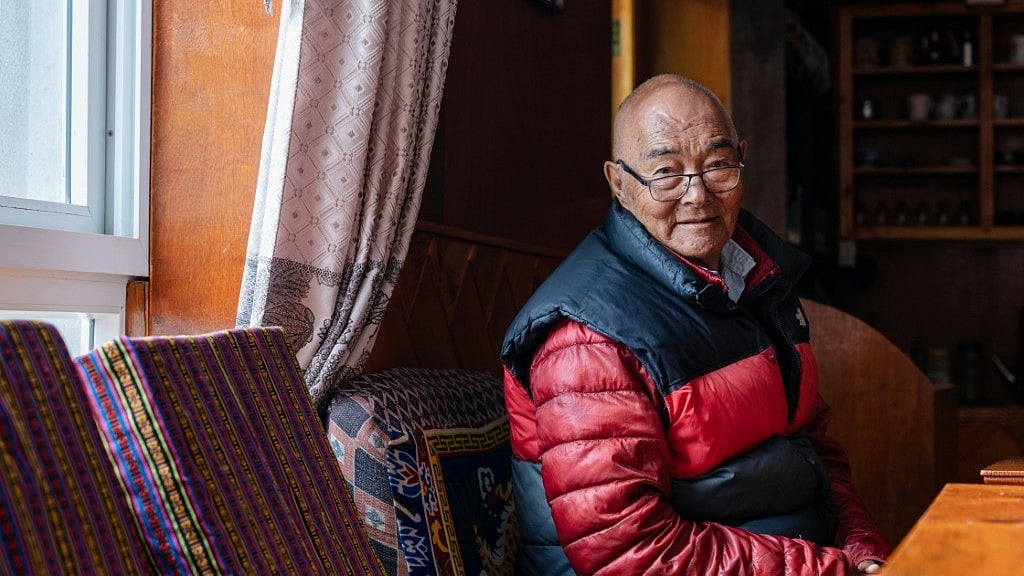
Kanchha Sherpa, the last survivor of the 1953 Everest team, was only 19 when he joined the expedition to Mt Everest.
advertisement
Kanchha Sherpa was the last surviving member of the 1953 expedition that saw Edmund Hillary and Tenzing Norgay Sherpa become the first to summit the world's highest mountain.
Born in 1933, Sherpa was 19 when he was engaged as a porter on the expedition, and climbed above 8,000 metres (26,200 feet)—close to the peak—with no prior mountaineering experience.
He died in Nepal's capital on Thursday, aged 92.
Hundreds now follow in his footsteps to the summit of Everest each year, fuelling a multimillion-dollar mountaineering industry.
But while today's climbers follow a well-trodden route set by experienced Nepali guides, the team navigated the mountain on their own.
They trekked for more than two weeks to the base camp while carrying the tents, food and other equipment needed.
Sherpa was still a teenager when he ran away from his home in Namche Bazaar—now the biggest tourist hub on the route to the Everest base camp—to Darjeeling in India, looking for Tenzing in hopes of finding work.
Tenzing had already established himself in the Indian hilltown, the starting point for mountaineering expeditions at the time.
At first, the teenager did chores at his mentor's house.
Members of the ethnic group have become the backbone of the mountaineering industry, bearing huge risks to carry equipment and food, fix ropes and repair ladders.
He ran a lodge in Namche and led a foundation in his name that supported families unable to afford schooling for their children.
From the windows of his lodge, Sherpa witnessed first-hand the transformation of the Everest region.
(This article has been sourced from AFP.)