
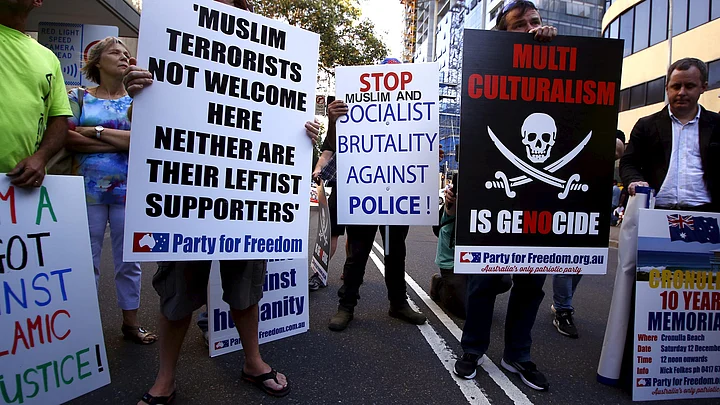
In the wake of the devastating attacks on Paris, Europe and the United States are experiencing growing waves of hysteria, with fearful populations demanding closed borders and a rejection of refugees.
This is exactly what the Islamic State was hoping for.
The terrorist group thrives on exploiting the political, cultural, and socio-economic fault-lines within nations and communities. Backlash against Muslim communities and rejection of refugees foster a sense of isolation, and create a generation of people disillusioned by ‘the West’.
Although Friday’s attacks highlight the danger of returning foreign fighters, a securitised reaction will only exacerbate existing divisions between communities, which will inevitably contribute to greater radicalisation in the long run. Aside from the sheer numbers – monitoring all the suspected radicals in France would require an estimated 264,000 agents – it is much more sustainable to invest in de-radicalisation and counter-radicalisation programmes, than to thwart attacks.
In other words, rather than stopping a bomber from reaching his target, it is better to stop him from becoming a bomber at all. The key to this is maintaining a united front, and upholding humanitarian values, which in the long-term will reduce the recruiting ground for terrorists.