

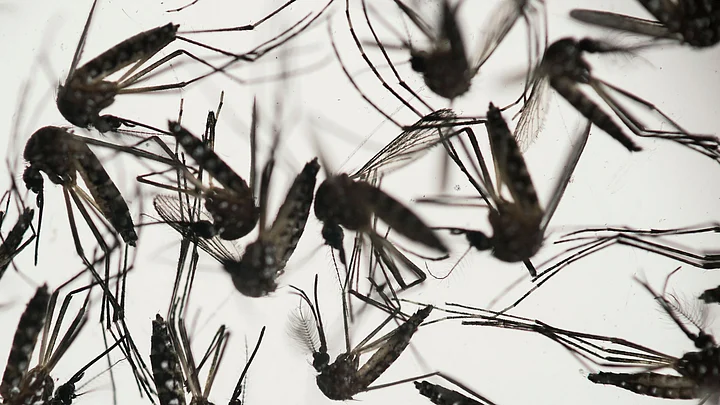
The World Health Organisation will hold a special session on Thursday on the Zika virus as the UN agency comes under pressure for quick action against the infection linked to thousands of birth defects in Brazil and that is spreading through Latin America and the Caribbean.
WHO Director-General Margaret Chan was set to address the agency’s executive board in Geneva as countries took new steps on Wednesday to try to stop the mosquito-transmitted virus linked to the dangerous birth defect called microcephaly.
The US said it will block people who have visited regions impacted by the virus from donating blood in a bid to fight its spread.
The US Food and Drug Administration said it is working with other federal agencies, blood collection establishments and industry organisations to quickly implement “donor deferral measures for travelers who have visited affected regions in order to protect the blood supply in the United States.”
Brazilian President Dilma Rousseff said her country must wage war against the Aedes aegypti mosquito that spreads the virus, focusing on getting rid of the insect’s breeding grounds. The mosquito thrives in dense tropical cities, and Rousseff called for the elimination of stagnant water spots where it lives and reproduces.
US researchers called on the WHO to take swift action. Georgetown University researchers urged Chan to heed the lessons of Ebola and called on the WHO to convene a special emergency session of health and infectious disease experts to consider declaring Zika a serious health crisis that endangers international public health.
Just convening the meeting would focus attention on funding and research, they said in an article published in the Journal of the American Medical Association.
The WHO’s leadership admitted last April to serious missteps in its handling of the Ebola crisis, which was focused mostly on three West African countries and killed more than 10,000 people. Some critics have said the WHO’s slow response played a major role in allowing the epidemic to balloon into the worst Ebola outbreak on record.