Remembering MV Sridhar, a BCCI Man Like No Other
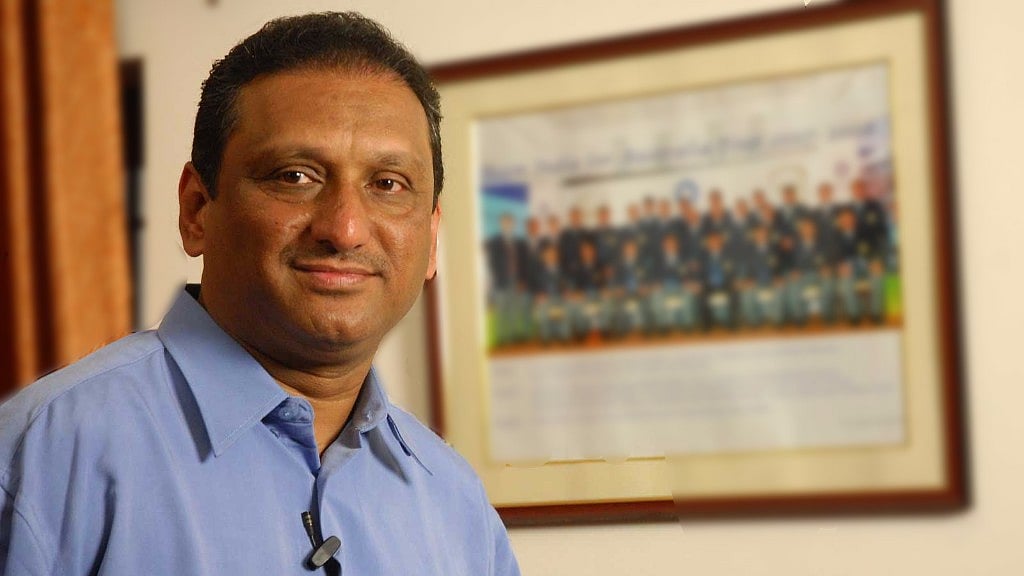
The story of MV Sridhar must be told because his life symbolises all that’s good about Indian cricket.
advertisement
Vikrant Gupta, a noted journalist and friend, tweeted on Monday: “MV Sridhar has left. Just like that.” And it was true. MV Sridhar, a solid and dependable opening batsman, one of the most able administrators of Indian domestic cricket, and also till last month, the board’s GM-Cricket Operations, had suddenly left.
Since his resignation from the BCCI just last month, Sridhar had been spending his time at home, catching up on all the time he had not able to spend with his family during the years he had dedicated to his high-pressure job of keeping Indian cricket running. No more did MV need to worry about pitch fiascos or hotel bookings for the team for the next international tour. He wasn’t negotiating with defiant state associations to host another domestic game or managing the expectations of Indian cricket team.
He was doing far more simple things, or rather more important ones, one would say: MV was having food made by his mother, helping his son solve maths problems, and preparing to celebrate the birthday of his daughter, on 2 November.
Monday afternoon, having had a heart attack, he breathed his last. A batsman who was known to guard his wicket and make big hundreds, gave away his wicket to a massive cardiac arrest. MV couldn’t even be taken to the hospital.
Just one night before, I had spoken with him, just like our other regular phone calls, generally chatting about this and that, like old colleagues and servants of Indian cricket. And when I woke up the next morning in Canada, I was told he was gone. Even now it’s hard for me to believe that I won't be having any more of our regular chats; filled with humour, anecdotes and real insight. There won't be any jokes on WhatsApp.
A True Servant of Indian Cricket
MV Sridhar was an ace domestic batsman with 97 first-class caps and a personal best of 366 runs in an innings – the third highest score in the all-time India list. Many experts in the nineties would say he should have played for India. As captain of Hyderabad and South Zone he shaped and nurtured many careers. One such name was VVS Laxman.
There are few like MV who didn't regret or carry with bitterness the fact that they didn’t play for the country. He believed that his contribution to the sport was to keep domestic cricket running and competitive.
He was a doctor by profession and hence got the nickname Doc and worked at the highest level of management for Satyam. But cricket was his calling and MV came back to cricket to serve the sport in various capacities.
He was the secretary of the Hyderabad Cricket Association. Anyone who was on the horrible Indian tour to Australia in 2007-08 would remember the role he played in helping India negotiate the entire Monkeygate situation. Anil Kumble, the captain, couldn’t have asked for a better Assistant cum Media Manager than Doc. He was firm and yet polite. In a highly volatile and emotional situation where the team was threatening to pull out of the tour, MV was a composed administrator who kept the back channel negotiations open. He handled and used Indian media so efficiently that it could be used as a blueprint for future generations on ‘how to handle media in a crisis’.
Everyone Listened to MV
He joined BCCI as GM Cricket Operations and kept growing in his role, from organising 1,000 domestic cricket matches every year to scheduling International cricket and arranging anything and everything for the Indian Cricket team. He and his team would work tirelessly to ensure the smooth operation of cricket. In the cold and highly competitive corridors of the BCCI, MV was all warmth and exuberance. He was one such person who could make fighting factions within the BCCI see logic, sit in one room and resolve their issues.
From negotiating a tough demand from the ICC to convincing state associations and sometimes managing the egos of cricket board members, MV’s life was full of such issues and dealing with them was routine.
He would mostly be seen managing a ‘crisis a minute’ but always with a smile and joke. Never ruffled or dejected. Often in his room, on one phone line he would be speaking with the ICC CEO, and on another, he would be dealing with the groundsman of a state association.
As Tournament Director of ICC World T20 2016 in India, he managed everything with great competence and energy including the last minute flip flops of the India-Pakistan game.
A Tough Parting of Ways
For the last one month though, during our regular phone calls, there was a tinge of sadness and dejection in his voice. Media reports suggested he was asked to leave the organisation.
Suddenly he wasn’t doing what he loved most passionately: running Indian cricket.
Neither do I have details of what happened or in what circumstances he resigned, nor am I in a position to comment on it. But knowing the man, one thing I can say with great certainty is that consciously he couldn’t do anything that would harm Indian cricket.
He served cricket as a domestic stalwart, as a board member and then as an essential employee of the BCCI, even under the most trying circumstances.
On Monday, Indian cricket lost its valiant foot soldier who left the crease after scoring a stroke-ful fifty one. For his team-mates, his colleagues and friends, MV left memories of a lifetime. The tributes he received after his passing are the testimony to his life.
After all it's not important how one dies, it is important is how one lived. MV Sir you will be missed badly.
(Nishant Arora is an award-winning cricket journalist, and most recently, the media manager of the Indian Cricket Team. He also co-authored the best-selling book on Yuvraj Singh’s battle with cancer.)