Members Only

Why We Fall for Fareb? Urdu Poetry on Deception, Trust and Hope
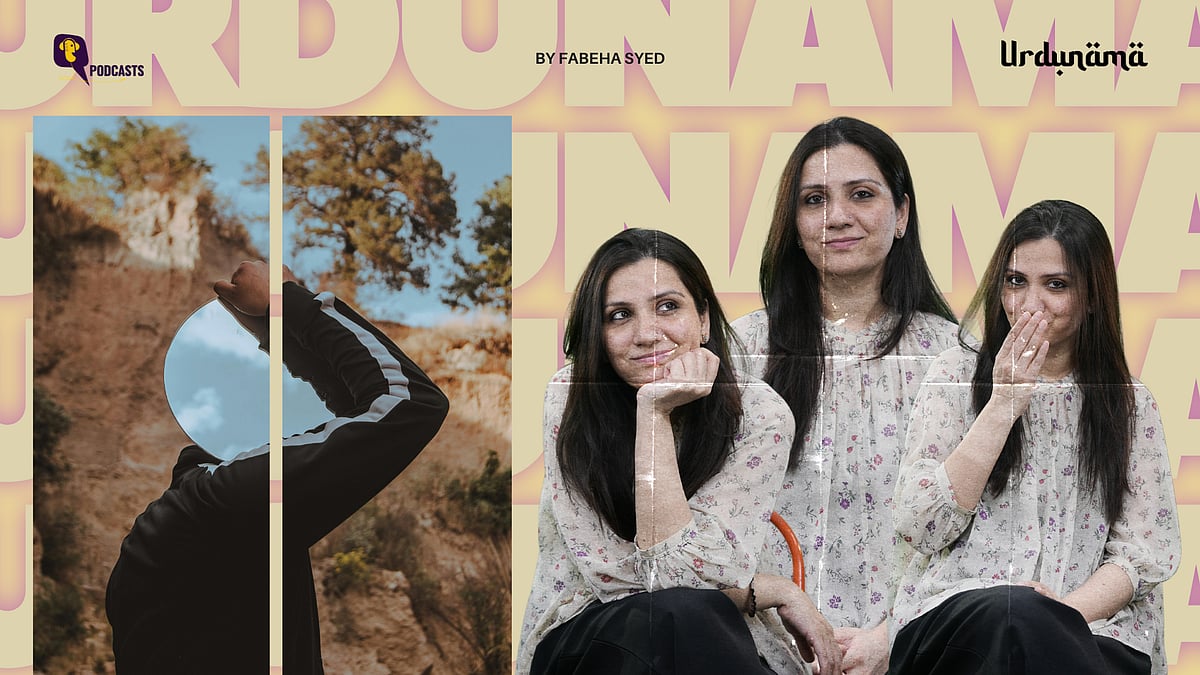
This episode explores fareb- deception, betrayal and self-made illusions through Ghalib, Momin and Fana Nizami.
Published:
i
advertisement
A salesperson can sell you a dream. Social media can sell you a lifestyle. Sometimes, your own heart sells you hope. That's fareb.
Often translated as deception, fareb isn't quite the same as dagha. A stranger can deceive you; only someone you trust can betray you. Through the poetry of Fana Nizami Kanpuri, Mirza Ghalib, Bahadur Shah Zafar and Momin Khan Momin, we explore false promises, self-deception and why the hardest illusions to let go of are often the ones we create ourselves. Tune in.
Become a Member to unlock
- Access to all paywalled content on site
- Ad-free experience across The Quint
- Early previews of our Special Projects
Published: undefined
ADVERTISEMENT
SCROLL FOR NEXT