Photo Essay: Plight of a Drought-Hit Village in Madhya Pradesh
World Vision India draws attention to the plight of a drought-hit village in Bundelkhand, Madhya Pradesh.
advertisement
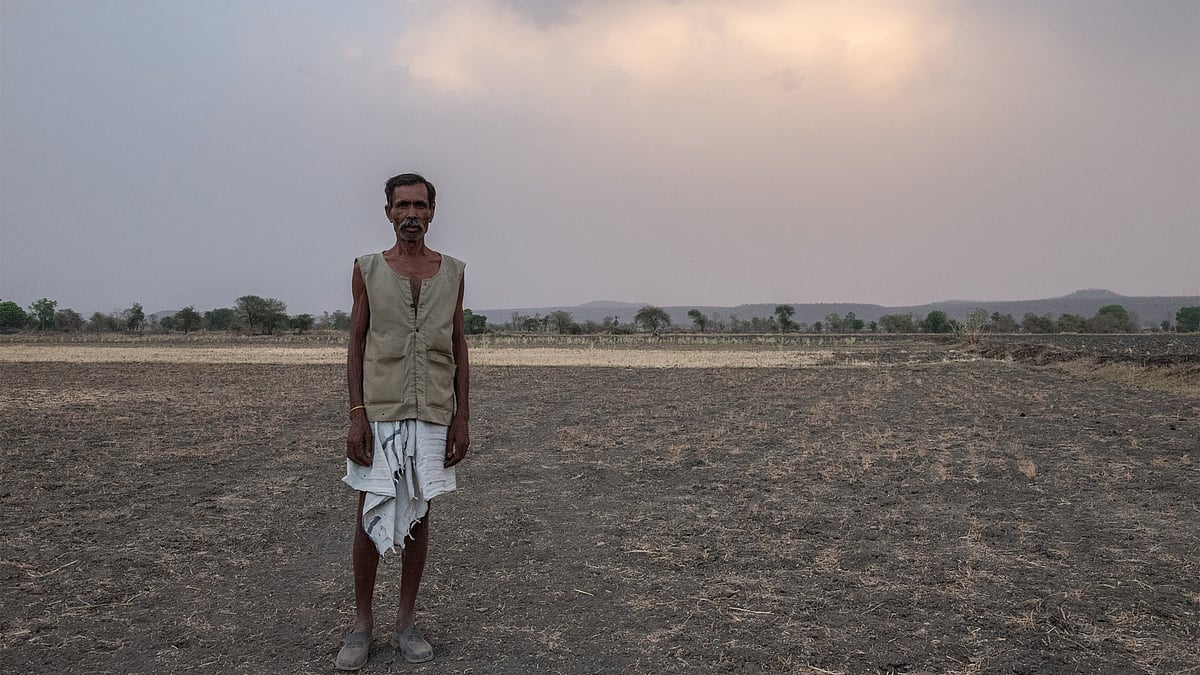
The village of Achanwara, Bundelkhand (Madhya Pradesh) is suffering from water shortages owing to severe drought conditions. Reportedly, this is one of the worst droughts to have hit the area.
Wells in and around the village have dried up, while only a few hand-pumps are functional. Those which are still in working condition provide 15-20 litres of water per day.
The bore wells that were dug by the Panchayat found no water, resulting in the ruin of Fields and crops.
A woman in Achanwara comments on this and says: “It was bad enough that our fields and crops were ruined. Now we have to walk two kilometers to the next village to collect drinking water everyday. Even then there are long lines and who knows when the water there may also dry up?”
Laxmi, a resident of Achanwara village, where all 709 people belong to the Harijan caste, says, “We’ve had droughts for the past five to six years but this year has been the worst.”
Manu talks about the adverse effects of the drought on crops and the consequent lack of livelihood,
“Without water for our crops we need to look for alternate means of livelihood, but even that is a challenge. Me and about 50 others in the village are job card holders, but in the past 10 years that we’ve had these cards we haven’t worked a day, except for work that we find on our own.”
The government provided villagers with job cards. However, they have failed to serve as an alternative to the current situation. Many people have not been able to get jobs, leading to migration or becoming daily wage workers at subsidised rates.
Manu adds, “The Sarpanch and Panchayat come offering us work at lower rates than the approved government rate of Rs 150, which we decline. So they go find others who are willing to work for the subsidised rates. This forces us to leave our families and homes to find work in other towns where we work for two to three months.”
Laxmi draws attention to the lack of employment opportunities in the village, while talking about the skill of rolling bidis: “We roll bidis at home as a side business so our husbands don’t have to leave home to find work elsewhere. My mother taught me the skill when I was nine and it’s helped me support my family in times like this.”
“My husband doesn’t know the skill but assists me while I work” she adds. “It helps us earn about Rs 1500 a month which covers the monthly household expenses.”
Karori, a 60-year-old farmer in Achanwara talks about his ruined crops and lack of help from the government:
“This year my farm yielded only three to four quintals from the expected yield of 20 quintals because of the drought. I suffered a loss of about Rs 56,000 but received only Rs 2000 as compensation from the government.
I’m a job card holder but I’ve never found work from that so now my two eldest sons and I work hard as daily wage earners to support our family.”
He adds, “I can only pray to God now for the rains to come so our hardships may be lifted.”
World Vision India is a Christian grassroots humanitarian organisation that serves all people regardless of religion, caste, race, ethnicity or gender. Through development, relief and advocacy, they strive/seek to create lasting change in the lives of children, their families and communities living in contexts of poverty and injustice. World Vision works in nearly 100 countries worldwide, and they have been in India since 1962. They work in over 6200 urban, rural and tribal communities spread over 163 districts across 26 states impacting the lives of 26 lakh children. For more information, go to https://www.worldvision.in/