Sweet Jeopardy: Sales in India Hit as War on Sugar Catches On
Analysts predict that consumption may grow at its slowest pace in seven years this fiscal.
advertisement
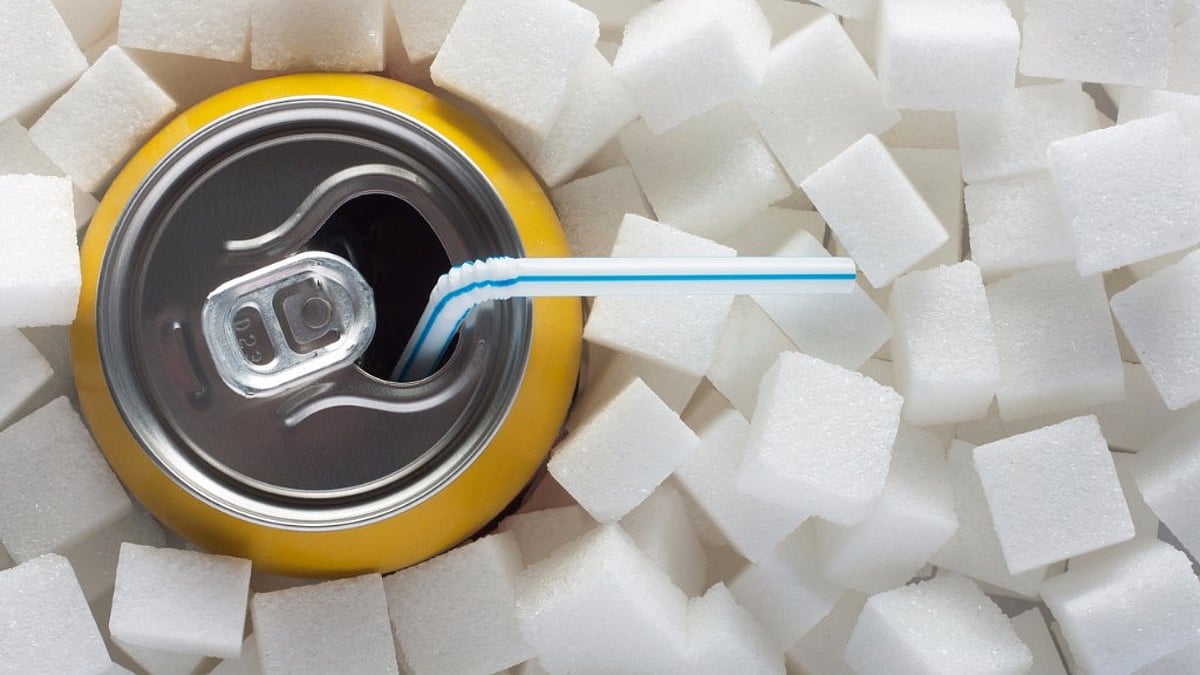
A ‘war on sugar’ is being waged by governments and consumers across the world through efforts to curb sugar in order to combat public health issues like diabetes.
As a result of this, consumption may grow at its slowest in seven years this fiscal, according to analyst group Platts Kingsman. It forecasts a growth of 1.04 percent, nearly half the average of about 2 percent per year over the last decade.
"Consumption is generally stagnating in developed countries," Tom McNeill, director at commodity analyst group Green Pool, told Reuters.
Combined with weaker demand from food and beverage makers globally, this could represent a fundamental shift in global consumption, according to Tropical Research Services.
"So, it may be that the real long-term 'trend' rate of global sugar demand growth has changed and is now lower," the group said in a 7 May report.
At least 17 countries and a number of US cities have added an extra tax on sweetened beverages. Another 11 nations are implementing or considering similar levies.
Mexico is another example. With one in three adults in the country affected by obesity, the country slapped a levy on sweetened soft drinks in 2014.
Although the impact on health will take years to assess, early data on consumption of soft drinks in Mexico shows a fall by 12 percent since the tax was introduced.
"With obesity and diabetes very quickly spreading, they are trying to do something about it early on," he added.
The slowing pace of growth globally is adding to worries that the world sugar market is headed for a surplus in 2017/18, after two consecutive deficits.
It could also curtail ambitious plans by the European Union to sharply boost output in 2017/18 in an effort to again become a net exporter, after it ends subsidies and caps on exports in October.
How does it affect India, China, and Brazil?
High-income countries like Norway and Canada are already seeing a decline in sugar consumption, Euromonitor figures shows. Now the appetites of developing markets, whose rapid population growth was expected to drive future growth, also appear to be waning.
The government's decision earlier this year to abolish a sugar subsidy for poor families also dented consumption.
ISMA expects consumption to rebound next year as production in the country normalises and domestic prices come down, but analysts say long-term growth remains uncertain as the government mulls higher taxes and stricter labelling on sugary foods.
Sugar demand also seems to be stagnating in China, the second biggest consumer, as cheaper sweeteners like high-fructose corn syrup (HFCS) grow in popularity.
As a result, domestic sugar prices are around double those on the world market. This, coupled with an abundance of cheap corn, has made HFCS highly competitive.
The USDA last month highlighted the decline in Chinese sugar demand when it slashed its estimates for consumption in that country for 2015/16 and 2016/17 by roughly 10 percent and signalled more modest growth than previously expected.
Brazil, the third largest consumer, has also seen a slowdown in demand growth over the last three years, as an enduring recession slashed the incomes of many Brazilians.
Soda and Confectionary
Manufacturers seem to think the anti-sugar movement is here to stay, and many food and beverage companies are pre-emptively reformulating their products as a result.
Coca-Cola has committed to reducing sugar in its drinks, with more than 200 reformulation initiatives underway.
Nestle said in 2016 that it is developing technology to reduce sugar in some confectionary products by up to 40 percent without affecting the taste.
“Globally, sugar is in the spotlight,” said Sara Peterson, nutrition analyst at Euromonitor. “The regulations are increasing with time. And if they're being smart, they're going to tackle this in advance.”
(Published in an arrangement with Reuters)