Over 3,000 Stung By Venomous ‘Man o’ War’ Jellyfish in Australia
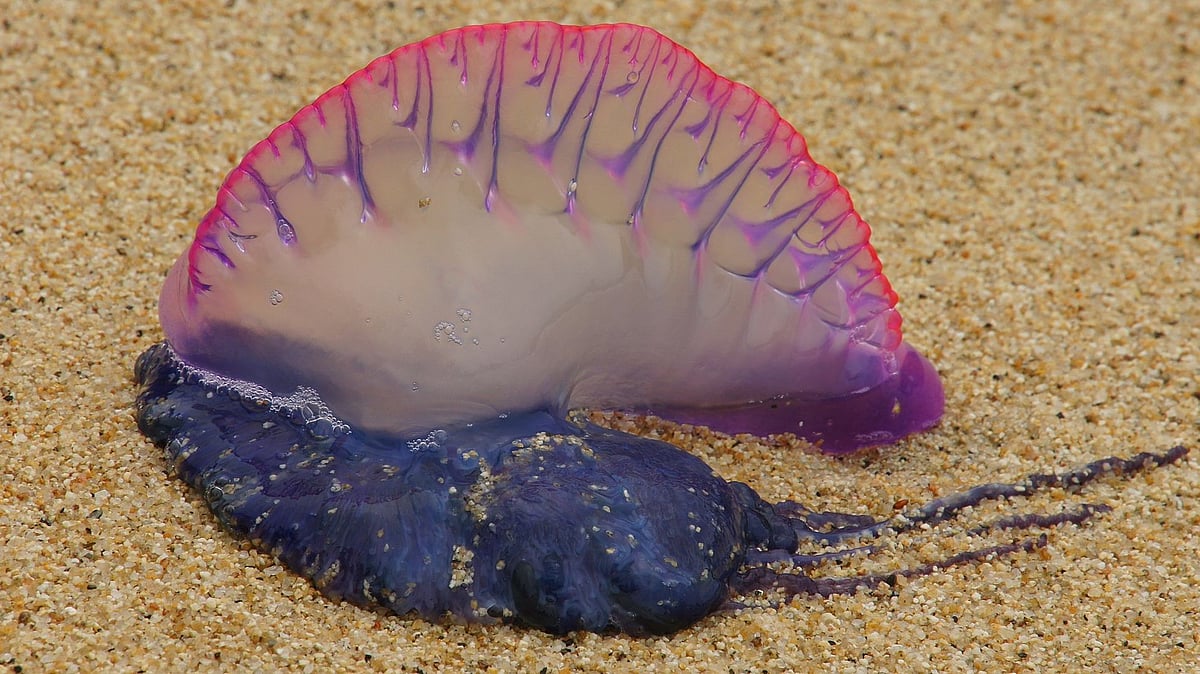
The massive influx of Portuguese man o’ war jellyfish has been described as an “invasion” by local media.
advertisement
Highly venomous jellyfish have stung more than three thousand people on Australia's northeastern shores in just a few days, authorities said on Monday, 7 January, forcing the closure of several beaches.
Coastguard association Surf Life Saving said a "whopping" 3,595 people had suffered painful burns after encounters with the creatures, also known as bluebottles for their transparent bluish appearance.
At least four major beaches remained closed as the organisation warned that even more jellyfish were on their way.
‘Please Stay Out of Water’
Bluebottle stings are a frequent occurrence and it is not uncommon to hear howls of pain from changing rooms along Australia's eastern beaches during the southern hemisphere's summer.
But the sheer number of people stung in the last few days has surprised authorities.
The extraordinary number of stings in the last few days has occurred as strong onshore winds have come in from the northeast, bringing the creatures into contact with swimmers.
Symptoms & What to Do
The doctors' group describes the symptoms of a sting as an "immediate sharp pain and acute inflammatory skin reaction.”
Treatment includes rinsing the wound with water at 45 degrees Celsius or using icepacks.
It is less straightforward to treat stings from the fearsome Irukandji variety of jellyfish.
Stings from these box jellyfish – which can be smaller than a finger nail – can cause acute muscular pain, violent vomiting, feelings of "impending doom,” hair that stands on end, strokes, heart failure and death within minutes.
(This article has been published and arranged by PTI)