‘Inappropriate’: Thai King Quashes Princess’ Political Bid
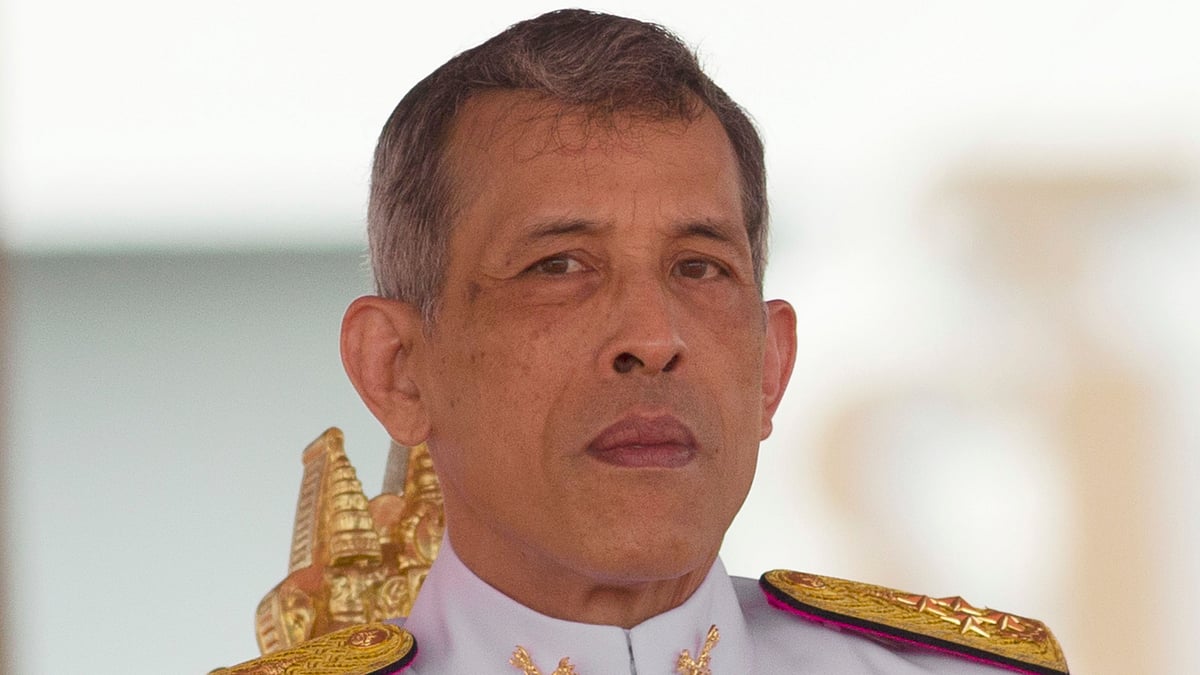
King Vajiralongkorn issued a decree stating that no member of the royal family should be involved in politics.
advertisement
Thailand's chaotic politics took two astonishing turns on Friday when the sister of the king made a historic bid to become prime minister, only to have him shut down her effort as "inappropriate" because it violated tradition and the constitution, which keep the monarchy from getting involved in politics.
The royal order from King Maha Vajiralongkorn was read on national television late Friday night, effectively scuttling the move by his older sister, Princess Ubolratana Mahidol, to become a candidate for the prime minister's office after parliamentary elections scheduled for 24 March.
Ubolratana's registration as a candidate was a stunning move, not only because it would have broken a taboo on a senior royal running for public office, but also because it would have allied her with the Thai Raksa Chart Party, considered by many royalists to be unsympathetic to the monarchy.
The turnaround in Ubolratana's fortunes was also seen as startling because the siblings are thought to be close and it was considered unthinkable that Ubolratana would make her move without her brother's permission. What actually had happened behind the scenes is unlikely to become public, because the Thai royal family's private affairs are almost never leaked.
Vajiralongkorn tried to soften the blow by acknowledging that his 67-year-old sister has already relinquished her formal royal titles, and he praised her for conducting charity work and otherwise earning the love of her family and the Thai people.
But his order stressed that Thailand's constitution insists that the king and those around him stay above politics, and the principles of democratic government also put politics off-limits.
"Bringing high-ranking royal family members to be involved in the political system, in any way, is an act that is against the ancient royal protocol and national custom and culture, and is seen as a highly inappropriate act," the statement added.
Prime Minister Prayuth Chan-ocha, the preferred candidate of the military, is considered to be indelibly loyal to the monarchy. He led the 2014 military coup that ousted Thailand's last elected government, which had been backed by Thaksin.
Prayuth had been considered the front-runner for the March election because changes in the constitution and election rules implemented by his government make it difficult for political parties without military backing to capture the prime minister's post.
While it does not technically apply to Ubolratana, who lost her highest royal titles when she married an American more than four decades ago, its scope has been widened in recent years to almost anything that sullies the royal institution, making criticism of the princess highly problematical.
Before the king's statement, Ubolratana had issued a statement on Instagram saying she has "no special privileges above the Thai people under the constitution."
Parliament has had members who were distant relatives of the monarch. Ubolratana falls into a gray area, since she is commonly called a princess and treated as such, despite losing the royal designations after her marriage.
Hours after she was registered as a candidate, a political party supporting Prayuth filed an objection with the Election Commission, arguing that the action broke rules banning the use of the royal institution as part of a political campaign. Several other complaints followed, mostly from conservative royalists, exposing a possible vulnerability in her plans.
Ubolratana is the first-born of four children of the late King Bhumibol Adulyadej and Queen Sirikit, with the current king the second-born.
Since then she has thrown herself into charity work, especially her "To Be No. 1" foundation to fight youth drug abuse. She also frequently promotes Thai tourism and movies at international forums. In general, like most of the royal family, she publicly kept herself aloof from Thailand's recent political turmoil.
For most of Bhumibol's reign from 1946 to his death in 2016, the revered and humble monarch was a stabilizing force in Thai politics. But the election of Thaksin in 2001 was transformative for Thailand.
His populist policies delivered unmatchable electoral majorities, but he was resented by the traditional ruling class, including royalists and the military. Violent street protests and two military coups have marked the years since. Thaksin went in exile in 2008 to avoid serving jail time on a corruption conviction he insists was politically motivated.
His well-funded political machine returned his allies to power twice, and his maneuvering was seen as the key element in arranging for Ubolratana's selection by a Thaksin-affiliated party.
When Vajiralongkorn ascended to the throne, conventional wisdom saw him as tightening his grip on power by allying himself closely with the military.
The surprise move by his sister into politics — assumed to be with the king's approval — raised questions about whether the long-lasting partnership of the palace with the army is in jeopardy.