India-Pakistan: Separated by Surgical Strikes, United By Note Ban
Both India and Pakistan are cash-dependent economies.
advertisement
The rift between India and Pakistan may have widened in the past few months. But the banning of notes – the catchphrase on everyone’s mind in India right now – is what’s keeping Pakistan awake, too.
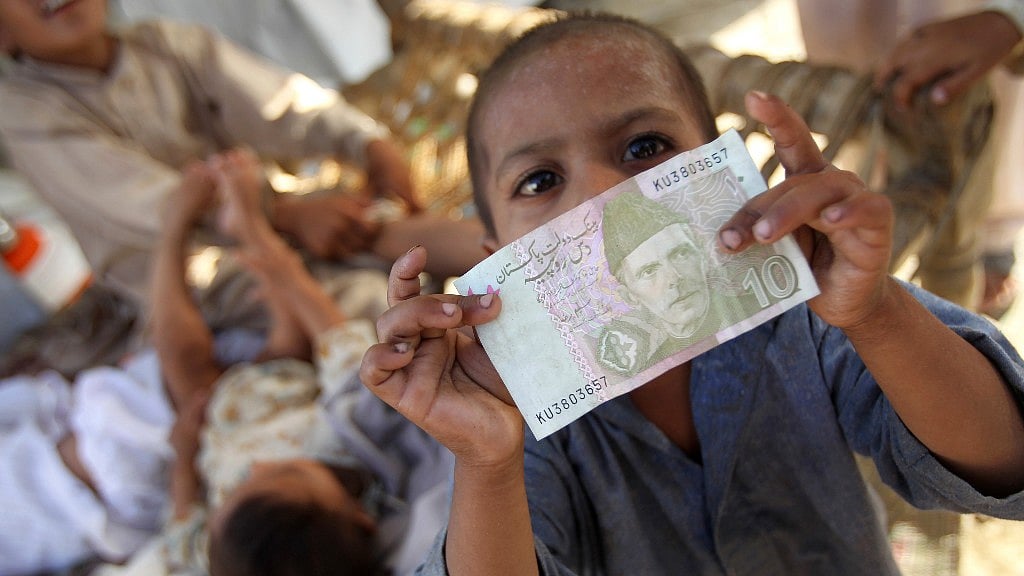
In a rare moment of unity, so to speak, the two neighbours are demonetising their currencies – a move that majorly affects their respective economies.
In a matter of months, India and Pakistan will have new designs and dimensions for their currencies.
Rs 500 Scrapped in October
In October, the Pakistani government withdrew the Rs 500 note from their economy. But the move was met with much criticism.
An editorial in the Dawn newspaper called the move “illegal” – and even compared it to “daylight robbery”. It stated that both the government and Pakistan’s central bank, State Bank of Pakistan (SBP), simply released a statement “of a few lines” about the withdrawal that by “no means reaches the entire population”. It further said:
The sudden call for demonetisation by India also drew flak, with many raising questions over the rush to scrap the bills.
Also Read: Modiji, Kudos But Why the Rush to Scrap Rs 500 & 1,000 Overnight?
Pakistan to Demonetise Rs 1,000 & 5,000 Notes?
Osman Saifullah Khan, a senator of the Pakistan Peoples Party, recently submitted a resolution in Parliament's upper house for the demonetisation of Rs 1,000 and Rs 5,000 notes, according to The Express Tribune.
The resolution, similar to the announcement of Prime Minister Narendra Modi, read:
A spokesperson for Pakistan’s central bank responded to the senator, saying that there seemed to be no reason “to withdraw Rs 5,000 note.”
United By Cash-Dependent Economies
According to a 2015 PwC report, 68 percent of the total value of transactions in India are conducted in cash. In Pakistan, “the currency in circulation expanded 30.5 percent (in 2015-16), which reflects that private businesses are using cash to settle their transactions.”
(With inputs from PTI, The Express Tribune and Dawn)