US and Iran Closing in on 14-Point Memo to End War, Deal Negotiations Advance
The memorandum under discussion is designed to halt hostilities and initiate formal talks.
advertisement
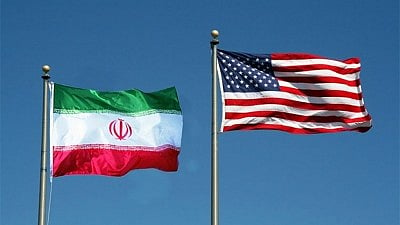
The United States and Iran are engaged in advanced negotiations over a 14-point memorandum aimed at ending the ongoing conflict and reopening the Strait of Hormuz.
According to Hindustan Times, the memorandum under discussion is designed to halt hostilities and initiate formal talks. The plan would see Iran pausing its nuclear enrichment activities, while the US would consider lifting sanctions and unfreezing billions in Iranian funds. The agreement also aims to ease restrictions in the Strait of Hormuz, a critical route for global oil shipments.
As reported by The Hindu, US President Donald Trump has paused “Project Freedom,” a military operation intended to secure shipping in the Strait of Hormuz, citing progress in negotiations.
Trump has warned that if Iran does not agree to the terms, military action could resume at a higher intensity. Iran’s Foreign Ministry confirmed it is reviewing the US proposal and will communicate its decision through mediators.
“Assuming Iran agrees to give what has been agreed to, which is, perhaps, a big assumption, the already legendary Epic Fury will be at an end, and the highly effective Blockade will allow the Hormuz Strait to be OPEN TO ALL, including Iran,” President Donald Trump stated on social media.
Both sides have agreed to a 30-day period for further negotiations if the memorandum is signed. Iran’s formal response to the US proposal is expected within the next 24 to 48 hours.
As highlighted by Siasat, communication with Tehran has slowed due to the need for messages to be relayed through Iran’s Supreme Leader. The US expects a response imminently, and diplomatic efforts are ongoing.
Coverage revealed that the proposed deal closely resembles the 2015 agreement established under Barack Obama, with Iran’s uranium enrichment capped at 3.67 percent and a commitment not to pursue nuclear weapons.
The memorandum does not impose new restrictions on Iran’s ballistic missile program but includes provisions for immediate UN inspections of nuclear facilities.
The economic impact of the negotiations has been significant, with reporting indicating that oil prices dropped by over 10 percent following the announcement of the potential agreement.
Stock markets responded positively, with major indices rising on expectations of a resolution to the conflict and the reopening of the Strait of Hormuz.
Diplomatic channels remain active as details emerged that Iran’s response will be delivered to mediators, including Pakistan.
China has expressed support for Iran’s right to peaceful nuclear energy and called for the swift reopening of the Strait of Hormuz. France and Britain have also positioned naval assets in the region to support freedom of navigation.
“We’re dealing with people that want to make a deal very much, and we’ll see whether or not they can make a deal that’s satisfactory to us,” President Trump told reporters during a public event.
Regional dynamics have influenced the negotiations, with analysis showed that US military operations in the Strait of Hormuz are now limited to defensive measures, and “Project Freedom” remains paused. Gulf allies, including Saudi Arabia and Kuwait, have restricted US access to bases and airspace, emphasising the importance of diplomatic coordination in the region.
Further updates are expected as Iran’s formal response is delivered and the 14-point memorandum is reviewed by both parties in the coming hours.
Note: This article is produced using AI-assisted tools and is based on publicly available information. It has been reviewed by The Quint's editorial team before publishing.