US Bombs Iran’s Kharg Island, Escalating War and Oil Fears
US strikes Iran’s Kharg Island, escalating conflict and threatening global oil supply.
advertisement
On 13 March 2026, United States military forces conducted a major airstrike on Iran’s Kharg Island, targeting and destroying military installations. The attack, ordered by President Donald Trump, marked a significant escalation in the ongoing US-Israel conflict with Iran. Kharg Island is Iran’s primary oil export terminal, handling the vast majority of the country’s crude shipments. The strike avoided direct hits on oil infrastructure but heightened concerns over global energy security and regional stability.
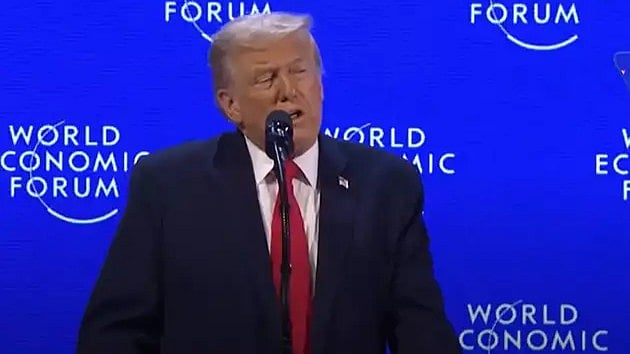
According to The Hindu, President Donald Trump stated that the US military had “obliterated every military target in Iran’s crown jewel, Kharg Island,” while explicitly warning that any interference with shipping through the Strait of Hormuz could prompt further attacks on the island’s oil facilities.
As reported by The Guardian, Iranian officials have warned of retaliation following the US strike. The attack is seen as a test of military escalation strategies, with Iran signalling its intent to widen the conflict if its vital interests are threatened. The situation has increased tensions across the Gulf region, with potential consequences for global oil markets and shipping routes.
As highlighted by Hindustan Times, President Trump had earlier indicated in a radio interview that Kharg Island was “not high on the list” of targets, but he reserved the right to change his decision rapidly. Hours later, the strike was executed, demonstrating the volatility of the conflict and the strategic importance of the island. Kharg Island is located approximately 26 kilometres from Iran’s coast and serves as the export point for about 90% of Iran’s oil shipments.
Analysis showed that the attack on Kharg Island could have significant economic repercussions. The island’s oil terminal is a critical node in Iran’s petroleum export system, and any sustained damage or disruption could drive global crude prices sharply higher.
Kharg Island’s strategic value was further detailed in coverage that described the island as the main terminal for Iran’s oil exports, with pipelines connecting it to major oil and gas fields. The facility has substantial storage capacity and is essential for Iran’s economic stability. Energy analysts warned that any attack on civilian oil infrastructure could halt most of Iran’s crude exports and provoke severe retaliation, potentially targeting regional energy assets.
“A direct strike would immediately halt the bulk of Iran’s crude exports, likely triggering severe retaliation in the Strait of Hormuz or against regional energy infrastructure,” JPMorgan’s global commodity research team was quoted as saying.
Further reporting indicated that President Trump framed the strike as a warning, stating that the US had the capability to destroy Iran’s oil infrastructure but chose restraint to avoid immediate economic fallout. He reiterated that any threat to shipping in the Strait of Hormuz would prompt reconsideration of this stance, underscoring the link between military action and global energy flows.
The strategic deployment of US forces was also noted as details emerged about the movement of the USS Tripoli and additional Marines to the Middle East. This military build-up is intended to reinforce US options in the region and deter further Iranian actions, following the joint US-Israeli strikes that killed Iran’s Supreme Leader Ayatollah Khamenei.
Escalating warnings were issued at the end of the day, with President Trump stating that the US would begin escorting ships through the Strait of Hormuz and would continue to target Iranian military capabilities if necessary. Iranian leadership, meanwhile, maintained its stance on keeping the Strait effectively closed, raising the risk of further confrontation and disruption to global oil supplies.
Note: This article is produced using AI-assisted tools and is based on publicly available information. It has been reviewed by The Quint's editorial team before publishing.