'Agree To Deal or Face Action': Trump Sets 15-Day Deadline for Iran
Trump issues Iran a 15-day ultimatum for a nuclear deal as military tensions and regional drills escalate.
advertisement
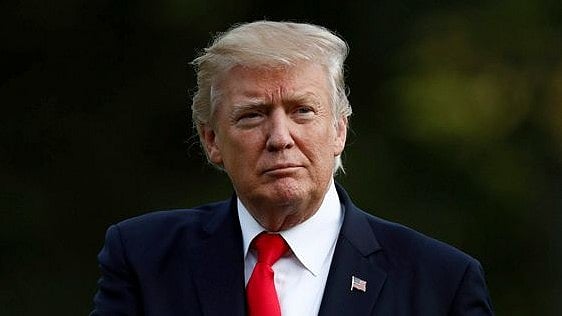
United States President Donald Trump has given Iran a 15-day deadline to reach a nuclear agreement, warning of severe consequences if negotiations fail. The US has deployed significant military assets to West Asia, including two aircraft carriers and advanced fighter jets. Iran has responded by threatening to target US bases in the region if attacked, while also conducting joint military drills with Russia. Diplomatic efforts continue amid heightened global concern over the risk of conflict.
According to Hindustan Times, President Trump stated that Iran must engage in meaningful negotiations within 10 to 15 days or face escalated US action. The US has positioned advanced F-35 and F-22 fighter jets and stationed the USS Abraham Lincoln aircraft carrier near Iranian waters, with all military forces expected to be in place by mid-March. Trump emphasized that peace in the Middle East is unattainable if Iran acquires nuclear weapons.
As reported by Financial Express, Trump’s ultimatum has unsettled global markets and prompted urgent diplomatic activity. Iran’s ambassador to the United Nations warned that all US bases and assets in the region would be considered legitimate targets if attacked. The UK has refused US requests to use British airbases for potential strikes, citing international law concerns, while Russia has called for restraint and prioritization of diplomatic solutions.
As highlighted by The Hindu, Iran reiterated its commitment to diplomatic solutions but warned that any military aggression would trigger a defensive response targeting all hostile bases and assets. The Iranian ambassador’s letter to the UN Security Council described Trump’s statements as a grave threat to international peace and security, urging the US to cease its threats of force.
Recent coverage detailed that Iran and Russia conducted joint naval drills in the Gulf of Oman and northern Indian Ocean, simulating operations such as liberating a hijacked ship. The exercises followed Iranian Revolutionary Guard drills in the Strait of Hormuz, which included a temporary closure of the strategic waterway. The US military, meanwhile, is reportedly prepared to strike Iran as early as this weekend if negotiations collapse.
“We’re either going to get a deal, or it’s going to be unfortunate for them,” Trump said, reinforcing the urgency of the deadline and the seriousness of potential consequences.
Analysis showed that Trump is considering an initial limited military strike targeting select Iranian military or government sites to pressure Tehran into compliance. If Iran refuses to halt its nuclear enrichment, the US could expand its campaign. Iranian Supreme Leader Ayatollah Ali Khamenei responded with threats against US naval assets, while US officials indicated that all options remain on the table.
Reporting indicated that Trump’s approach reflects a broader foreign policy dilemma, balancing calls for peace with the threat of military action. The administration’s objectives remain partly undefined, with questions about whether the US seeks regime change or simply aims to halt Iran’s nuclear and missile programs. Israel’s involvement in any potential strike is also under consideration, following its participation in previous operations.
Further updates noted that Trump’s deliberations have drawn warnings from conservative commentators about the political risks of military action ahead of the US midterm elections. White House officials acknowledged some progress in Geneva talks but confirmed that significant differences remain between the US and Iran.
“It’s proven to be over the years not easy to make a meaningful deal with Iran. We have to make a meaningful deal, otherwise bad things happen,” Trump stated at the Board of Peace event.
At the start of the week, coverage revealed that the US military deployment in the Middle East is the largest since the 2003 Iraq invasion, with two aircraft carriers, advanced fighter jets, and thousands of personnel now in place. The buildup is intended to provide Trump with options for a sustained campaign, should he decide to proceed with military action. The situation remains fluid as diplomatic and military preparations continue.
Note: This article is produced using AI-assisted tools and is based on publicly available information. It has been reviewed by The Quint's editorial team before publishing.