3 Ships Attacked, Seized By Iran in Strait Of Hormuz Amid Ceasefire Extension
Three cargo ships were attacked in the Strait of Hormuz amid ongoing US-Iran tensions.
advertisement
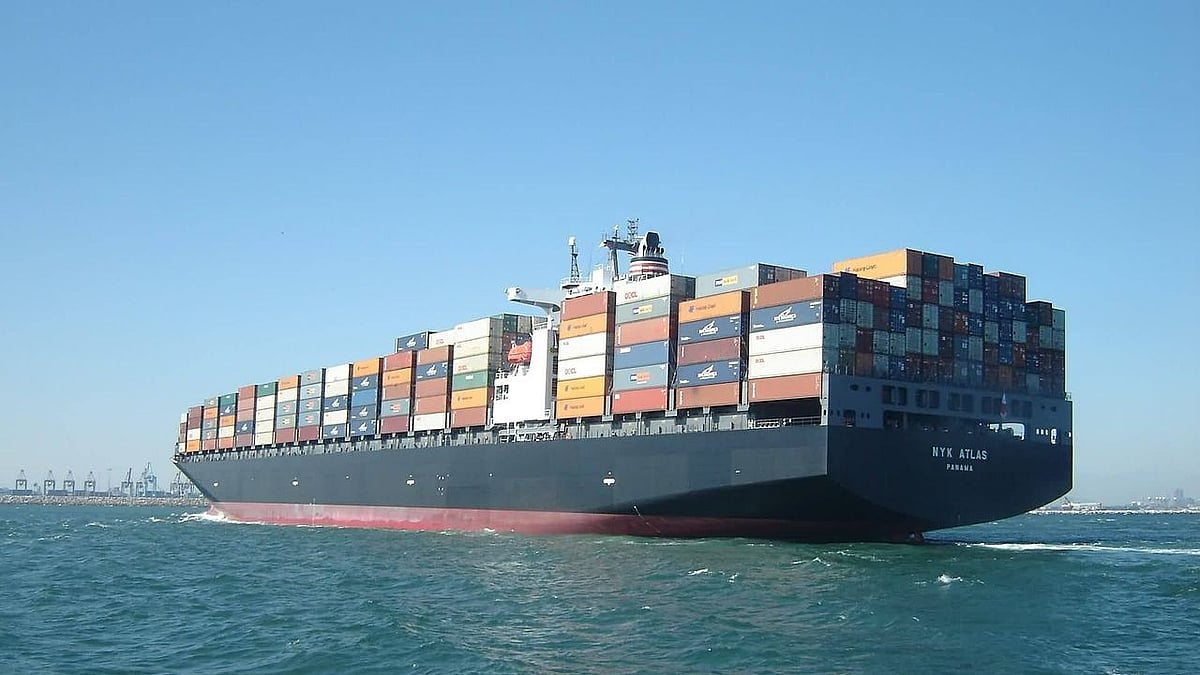
On 22 April 2026, three commercial cargo ships were attacked in the Strait of Hormuz. The incidents occurred shortly after the United States extended a ceasefire with Iran, but maintained a naval blockade of Iranian ports. All crew members aboard the targeted vessels were reported safe, and no fires or environmental damage were recorded. The attacks have heightened concerns over maritime security and disrupted global shipping routes through this critical waterway.
According to The Hindu, Iran’s Revolutionary Guard Corps (IRGC) stated that its naval forces stopped two ships attempting to cross the Strait of Hormuz and directed them to Iranian territorial waters. The IRGC claimed the vessels were seized for violating regulations and were escorted to the Iranian coast. At least three container ships were hit by gunfire in the strait on the same day, with one Liberia-flagged ship sustaining damage to its bridge.
As reported by Hindustan Times, the attacks coincided with US President Donald Trump’s announcement of an indefinite extension to the ceasefire with Iran, while the US military continued its blockade of Iranian ports. Iran’s ambassador to the United Nations called for the immediate release of an Iranian commercial vessel seized by the US, highlighting ongoing tensions and disputes over maritime operations in the region.
As highlighted by The Guardian, the UK Maritime Trade Operations (UKMTO) received reports of a container ship coming under fire off the coast of Oman by an IRGC gunboat. The ship, identified as the Liberia-flagged Epaminondas, was owned by a Greek company. A second vessel, reportedly named Euphoria, was also attacked in the strait, and a third ship, the Panama-flagged MSC Francesca, was targeted while heading south out of the strait.
Details from BBC indicated that the IRGC opened fire on the first ship after it allegedly ignored warnings from Iranian forces. The second and third ships were also targeted, with the MSC Francesca reporting damage to its hull and accommodation. The UKMTO advised vessels in the area to report any suspicious activity due to the heightened risk.
“The UKMTO said the master of the vessel reported being approached by an IRGC gunboat. The vessel, it said, was subsequently fired upon. All crew members were safe, and there was no fire or environmental impact due to the incident.”
Further information from Deccan Herald confirmed that three container ships were hit by gunfire, with one vessel sustaining damage from both gunfire and rocket-propelled grenades northeast of Oman. The crews of all affected ships were unharmed, and the vessels either stopped in the water or continued their transit after the incidents.
Additional context provided by The News Minute noted that the attacks complicated ongoing diplomatic efforts to resume talks between the United States and Iran. The IRGC’s actions were described as a response to the continued US blockade and recent seizures of Iranian vessels by American forces.
Analysis showed that the blockade of the Strait of Hormuz has led to increased shipping costs and rerouting of cargo through alternative passages such as the Panama Canal. The disruption has affected global oil and liquefied natural gas supplies, with some vessels paying record fees to bypass delays and avoid the conflict zone.
“The increase reflects changes in global trade patterns and market conditions, including geopolitical factors affecting key routes,” the Panama Canal Authority stated regarding the surge in transits and auction prices for passage.
Coverage revealed that the initial two-week ceasefire between the US and Iran had allowed limited vessel passage coordinated by the Iranian military, but the subsequent US blockade and retaliatory actions by Iran have left hundreds of ships stranded and global markets unsettled.
Note: This article is produced using AI-assisted tools and is based on publicly available information. It has been reviewed by The Quint's editorial team before publishing.