'Measures of Last Resort': Telegram Blocked Amid NEET Paper Leak Concerns
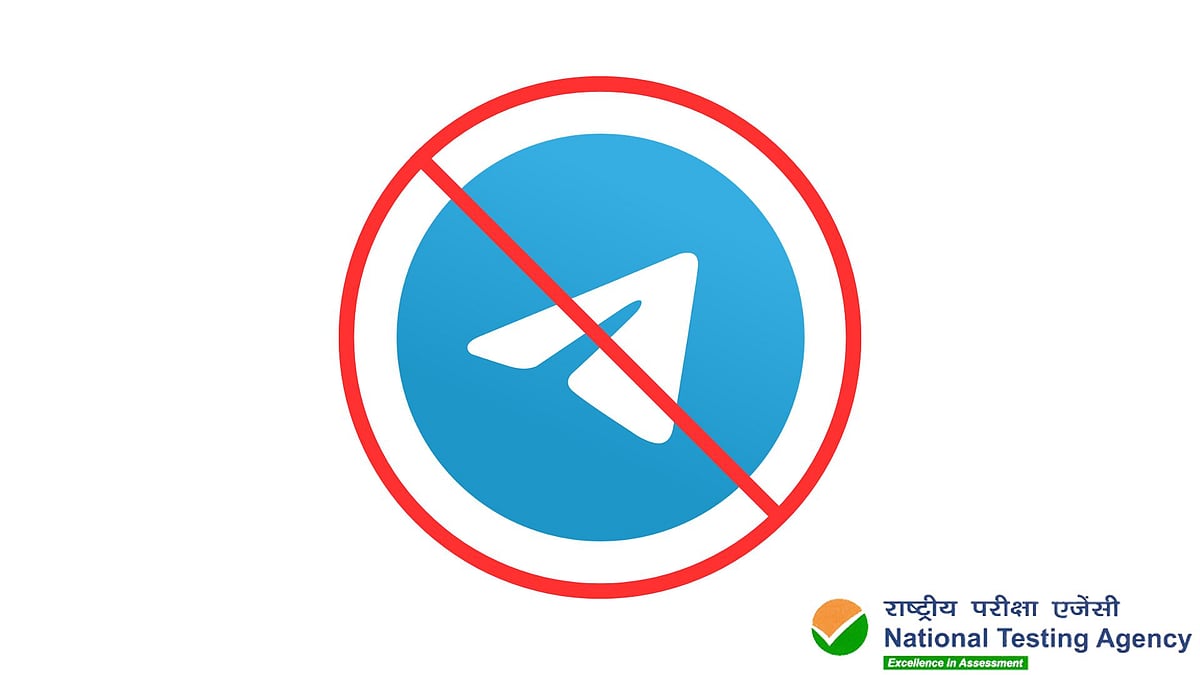
Telegram has been temporarily blocked in India until 22 June 2026 due to NEET paper leak concerns.
advertisement
The Government of India has imposed a temporary ban on the messaging platform Telegram across the country until 22 June 2026. The decision was taken following recommendations from the National Testing Agency (NTA) after allegations of widespread paper leaks and irregularities led to the cancellation and rescheduling of the National Eligibility cum Entrance Test (NEET) undergraduate examination. The NEET re-exam is scheduled for 21 June 2026, and the Telegram ban will remain in effect until the day after the re-examination.
According to The Indian Express, the Ministry of Electronics and Information Technology (MeitY) issued the blocking order under Section 69A of the Information Technology Act, 2000. The government also directed Telegram to disable its message-editing feature in India until 30 June 2026, citing concerns that this feature had been used to fabricate after-the-event “paper leak” evidence in previous national examinations.
As reported by The News Minute, the NTA stated that the temporary restriction was implemented to counter organised cheating networks and misinformation campaigns targeting NEET candidates. The agency highlighted that Telegram channels with names such as “PAPER LEAKED NEET” and “Re-NEET 2026” had demanded payments from students and families in exchange for purported access to the re-examination paper.
As highlighted by Financial Express, the NTA clarified that no examination paper exists outside the secured examination chain and described all such offers as fraudulent. The agency explained that the message-editing feature on Telegram allowed administrators to alter previously posted messages, including replacing attached files, while retaining the original timestamp. This capability was reportedly exploited to create false evidence of paper leaks after exams had concluded.
“There is no such paper available outside the secured examination chain. The promise of any such material is, in every instance, a fraud,” the NTA stated, as quoted in multiple official communications.
Further details indicate that the Indian Cyber Crime Coordination Centre (I4C), under the Ministry of Home Affairs, coordinated the operational response to Telegram-based fraud. This included the prompt takedown of numerous Telegram channels, groups, and bots openly advertising fraudulent examination-related services. State law enforcement agencies in Bihar, Gujarat, and Rajasthan also contributed to these efforts.
Law enforcement actions intensified following reports of arrests linked to inter-state cyber fraud networks operating multiple Telegram channels. The Ahmedabad City Cyber Crime Branch apprehended individuals allegedly involved in defrauding medical aspirants and their parents by claiming to possess the NEET re-examination question paper.
The NTA described the ban and feature restrictions as “measures of last resort” after previous takedown actions were deemed insufficient to address the scale of the problem. The agency emphasised that the restrictions are strictly temporary and calibrated to minimise disruption to legitimate users.
“Both measures have been taken in the interest of public order, in response to the organised use of the platform by cheating rackets to defraud candidates appearing for the NEET (UG) 2026 re-examination,” the NTA stated.
While acknowledging the inconvenience to ordinary users, the NTA urged candidates to rely solely on official channels for updates and to report any suspicious activity through the National Cyber Crime Helpline or Reporting Portal. The agency reiterated its commitment to ensuring a fair and secure examination process as details emerged.
Note: This article is produced using AI-assisted tools and is based on publicly available information. It has been reviewed by The Quint's editorial team before publishing.