Jantar Mantar Assault Accused Swatantra Bhardwaj Arrested By Delhi Police
Swatantra Bhardwaj faces multiple criminal charges after a viral video and protests over alleged assault.
advertisement
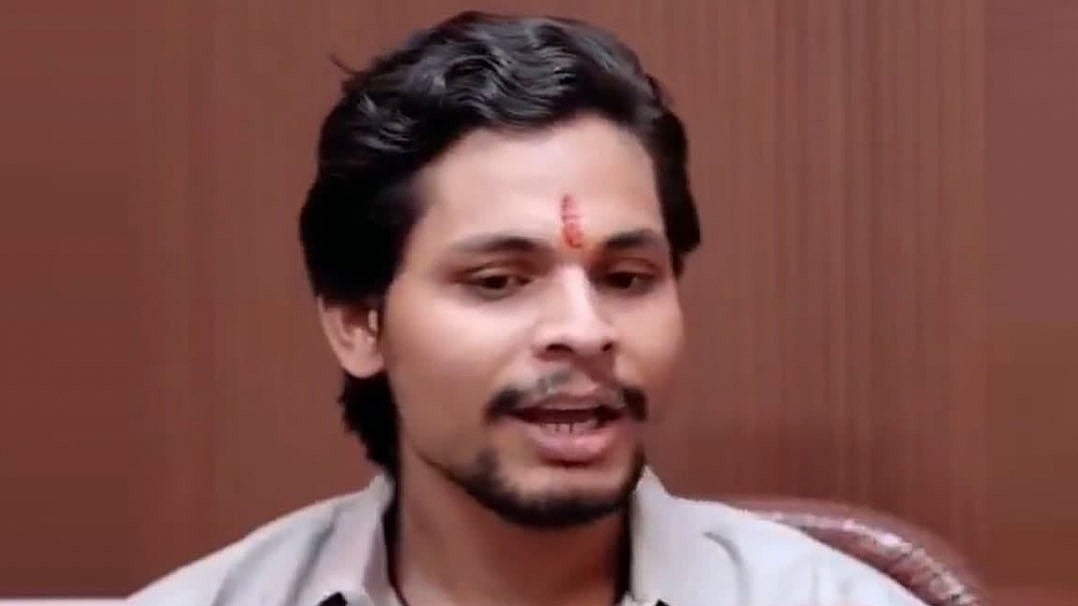
Swatantra Bhardwaj, a self-identified Hindutva influencer, was detained by police in Bulandshahr on 5 September 2026 after a viral video surfaced in which he allegedly admitted to assaulting the father of a minor protester during a demonstration at Jantar Mantar in June. The incident led to widespread protests, the addition of serious criminal charges, and public distancing by politicians whose names Bhardwaj invoked in his statements.
According to Hindustan Times, Bhardwaj’s viral video showed him claiming political backing from Union Minister Chirag Paswan and others, suggesting he faced no police action due to these connections. Chirag Paswan publicly denied any association, stating, “If somebody claims, on this very basis to be a personal acquaintance of ours, then that is a misuse of our name.” Paswan’s party filed a formal complaint against Bhardwaj for misusing his name and called for an impartial investigation.
As highlighted by Deccan Herald, Bhardwaj’s online persona was marked by provocative content and claims of political access. His social media accounts featured posts about Hindutva, cow protection, and images with political leaders. The video at the centre of the controversy included Bhardwaj stating, “I cracked the skull... Do you know which section this crime attracts? Section 307. He needed 60 stitches.” There is no evidence supporting his claims of political intervention on his behalf.
As noted in an article by The Hindu, Chirag Paswan’s complaint sought to protect his reputation and clarified that neither he nor his party had any connection with Bhardwaj or the incident. The complaint also expressed support for the victim’s family and requested strict action against Bhardwaj for his conduct. Police subsequently added charges of criminal intimidation, attempt to murder, and provisions under the Scheduled Castes and Scheduled Tribes (Prevention of Atrocities) Act to the FIR.
Following reports, the FIR was further amended to include charges under the Protection of Children from Sexual Offences (POCSO) Act after the minor protester alleged online threats and harassment. The case also invoked sections related to stalking, outraging modesty, and obscene material under the Information Technology Act. A senior police officer confirmed the registration of the POCSO case, citing the involvement of a minor.
In the aftermath of the viral video, coverage revealed that Bhardwaj was detained after the Cockroach Janta Party (CJP) staged a protest demanding his arrest. The legal team representing the CJP pressed for the inclusion of grievous injury and attempt to murder sections, while the minor’s complaint led to the registration of a separate FIR for online abuse and threats.
“I cracked the skull of Nishu’s father. Do you know which section of IPC this crime attracts? Section 307 of the Indian Penal Code, which relates to attempt to murder. The man was in serious condition and could have died due to the assault which I made,” Bhardwaj stated in the viral interview.
Analysis showed that the protest at Parliament Street police station was attended by multiple political leaders, including MPs and Congress representatives, who demanded the addition of SC/ST Act and POCSO provisions to the FIR. The police confirmed these additions and registered the new case based on the minor’s complaint of rape threats.
Further reporting indicated that Bhardwaj was initially detained and released on the day of the incident, with the FIR originally filed under sections for simple hurt and wrongful restraint. The escalation of charges followed public outcry and the surfacing of Bhardwaj’s admissions online. The victim’s family and supporters alleged that Bhardwaj’s political claims delayed appropriate legal action.
At the same time, as details emerged, national attention focused on the case, with public figures such as Rahul Gandhi expressing support for the victim’s family and questioning the police response. The CJP and other groups continued to demand accountability and justice, citing Bhardwaj’s own recorded admissions and the subsequent threats received by the minor protester.
Note: This article is produced using AI-assisted tools and is based on publicly available information. It has been reviewed by The Quint's editorial team before publishing.