Supreme Court Reviews Sonam Wangchuk Detention, Orders Medical Exam
Supreme Court hears Sonam Wangchuk’s detention case, orders medical exam, and debates grounds for NSA.
advertisement
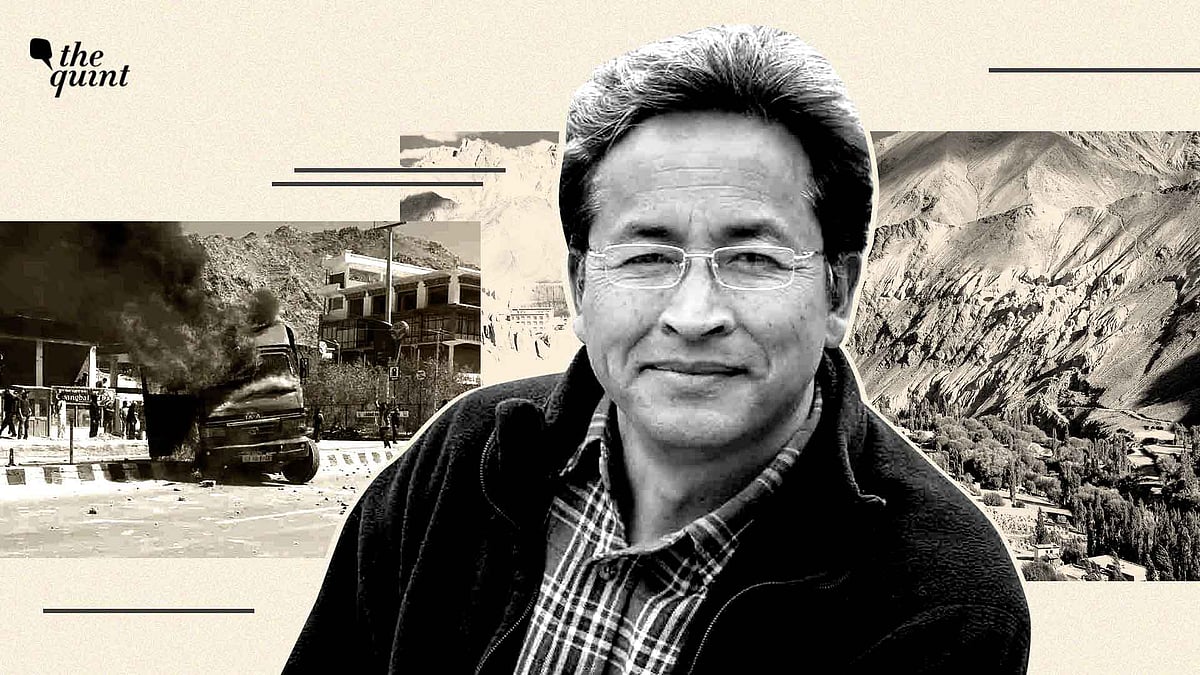
The Supreme Court of India heard the habeas corpus petition challenging the detention of Ladakh climate activist Sonam Wangchuk under the National Security Act on 29 January 2026.
The bench, comprising Justice Aravind Kumar and Justice Prasanna B Varale, considered arguments regarding the grounds of detention, the use of selective evidence, and Wangchuk’s health condition. The court directed that Wangchuk be examined by a specialist from a government hospital, with a medical report to be submitted in a sealed cover by Monday.
According to The Indian Express, senior advocate Kapil Sibal, representing Wangchuk’s wife Gitanjali Angmo, argued that the detention order was based on outdated FIRs and selectively extracted video clips. Sibal stated that the detaining authority failed to consider Wangchuk’s full statements, including his public appeal for peace after the September 2025 protests in Ladakh, and that the grounds for detention were not properly established.
As reported by Live Law, the Supreme Court questioned whether Wangchuk had made statements suggesting Ladakhis would not assist the Indian Army. Sibal denied these allegations, clarifying that the referenced speech was made months before the detention order and that Wangchuk had consistently advocated for non-violence and environmental protection. The court also addressed procedural issues, including the delay in providing Wangchuk with the grounds for detention and the alleged mechanical adoption of police recommendations by the detaining authority.
As highlighted by Bar and Bench, Sibal argued that Wangchuk’s actions, such as peaceful marches and hunger strikes, did not constitute violent acts or threats to national security. He asserted that many statements attributed to Wangchuk were misquoted or taken out of context, and that the detention order relied on excerpts rather than complete statements. The court was informed that Wangchuk had developed stomach issues in jail, prompting the directive for a specialist medical examination.
“A detaining authority relying on a statement must rely on the entire statement and cannot rely on a sentence or two... The whole detention order is based on excerpts, out of context, misleading, false, thereby suggesting a selective approach, malafide in nature, to ensure that I am detained,” Sibal told the court.
Legal coverage indicated that Wangchuk’s counsel maintained criticism of the government does not threaten national security and that citizens have a democratic right to dissent. The court was told that Wangchuk’s statements were wrongly construed as calls for violence or sedition, and that his advocacy for Ladakh’s environmental and constitutional rights was within the bounds of peaceful protest.
Arguments presented during the hearing included references to the lack of evidence linking Wangchuk to violent acts during the September 2025 protests. The bench recorded the state’s assurance that any required medical treatment for Wangchuk would be provided without delay, and reiterated the need for a comprehensive medical report.
“He says he will not allow violence to take place. The 6th schedule was a promise given by a political party. It was given in 2020. If in 2025 he says fulfil it before elections what’s wrong with it? Anti government sentiments is not affecting the security of State. I can criticise the government. We do it all the time! That’s what democracy is about,” Sibal submitted.
Further analysis showed that the Supreme Court is examining whether the grounds for Wangchuk’s detention meet the legal threshold under the National Security Act, especially in the context of peaceful protest and dissent. The court’s order for a specialist medical examination and its scrutiny of the evidence presented by the detaining authority are expected to influence the final verdict.
Note: This article is produced using AI-assisted tools and is based on publicly available information. It has been reviewed by The Quint's editorial team before publishing.