'Nobody Will Hire Women': Supreme Court Rejects Mandatory Menstrual Leave PIL
Supreme Court declines nationwide mandatory menstrual leave, citing career impact for women.
advertisement
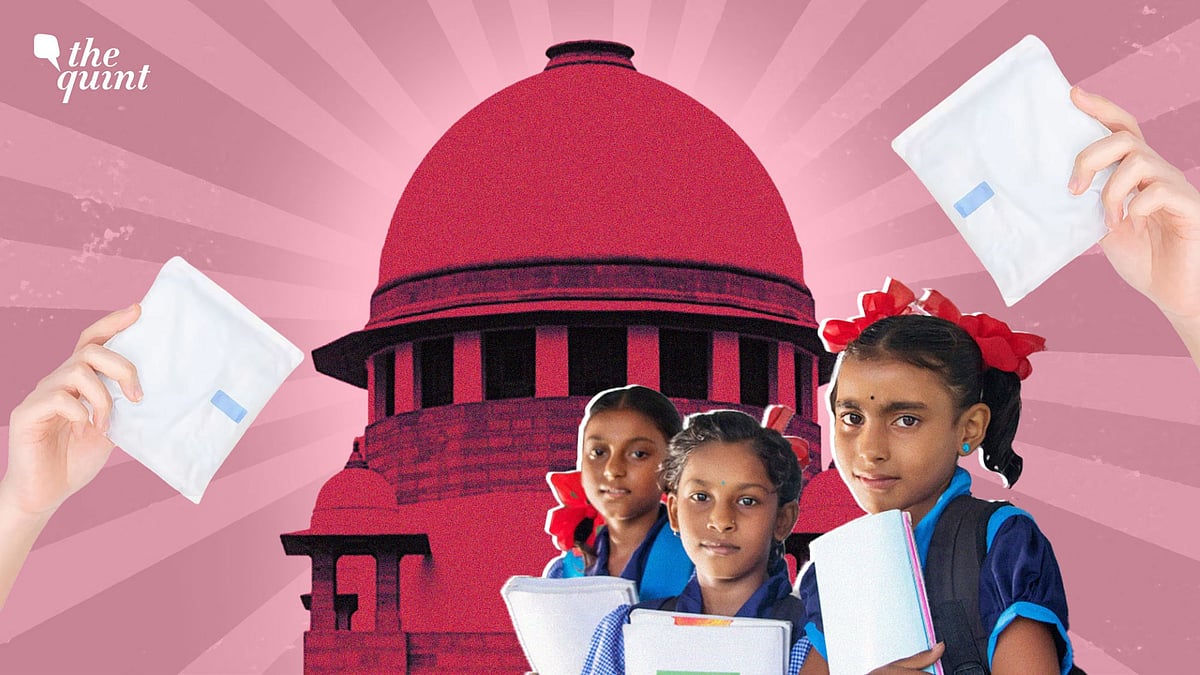
The Supreme Court of India has declined to entertain a Public Interest Litigation (PIL) seeking a nationwide policy mandating menstrual leave for women students and workers. The bench, led by Chief Justice of India Surya Kant and Justice Joymalya Bagchi, expressed concerns that compulsory menstrual leave could negatively affect women’s employment prospects. The court stated that such a policy might discourage employers from hiring women, potentially harming their professional growth.
According to Hindustan Times, the bench observed that while voluntary menstrual leave policies by private companies are commendable, making such leave mandatory by law could result in employers being reluctant to recruit women.
As reported by Deccan Herald, the court was hearing a petition that sought to make menstrual leave a legal right for female students and working women across India. The Chief Justice reiterated that voluntary policies are “excellent,” but warned that compulsory legal provisions could have unintended consequences for women’s participation in the workforce.
During the hearing, the bench highlighted that such legal mandates could reinforce gender stereotypes and unintentionally portray women as inferior. The court stated, “These pleas are made to create fear, to call women inferior, that menstruation is something bad happening to them.” The bench further noted that the competent authority may consider the representation and examine the possibility of framing a policy after consulting all relevant stakeholders.
Analysis showed that the petitioner’s counsel referenced existing state and private sector initiatives, such as Kerala’s relaxation for school students and voluntary menstrual leave policies in some companies. However, the bench maintained that a nationwide legal mandate could have broader negative implications for women’s employment opportunities.
The PIL was ultimately disposed of with the direction that authorities may review the representation and take an appropriate decision, but the Supreme Court declined to issue a mandamus. The bench clarified that repeated court interventions on this issue were unnecessary as the matter had already been brought to the attention of relevant authorities.
Coverage revealed that the Supreme Court’s decision aligns with concerns about workplace equality and the risk of reinforcing discriminatory practices. The court’s remarks have prompted further discussion on balancing affirmative rights with practical implications for women’s employment and societal perceptions.
“This is an affirmative right...but think about the employer who needs to give paid leave,” the bench stated, emphasizing the complexity of implementing such policies nationwide.
Note: This article is produced using AI-assisted tools and is based on publicly available information. It has been reviewed by The Quint's editorial team before publishing.