Supreme Court Directs Centre To Review 'Self Declaration' of Caste in Census
Centre to consider petitioner's concerns on caste census methods.
advertisement
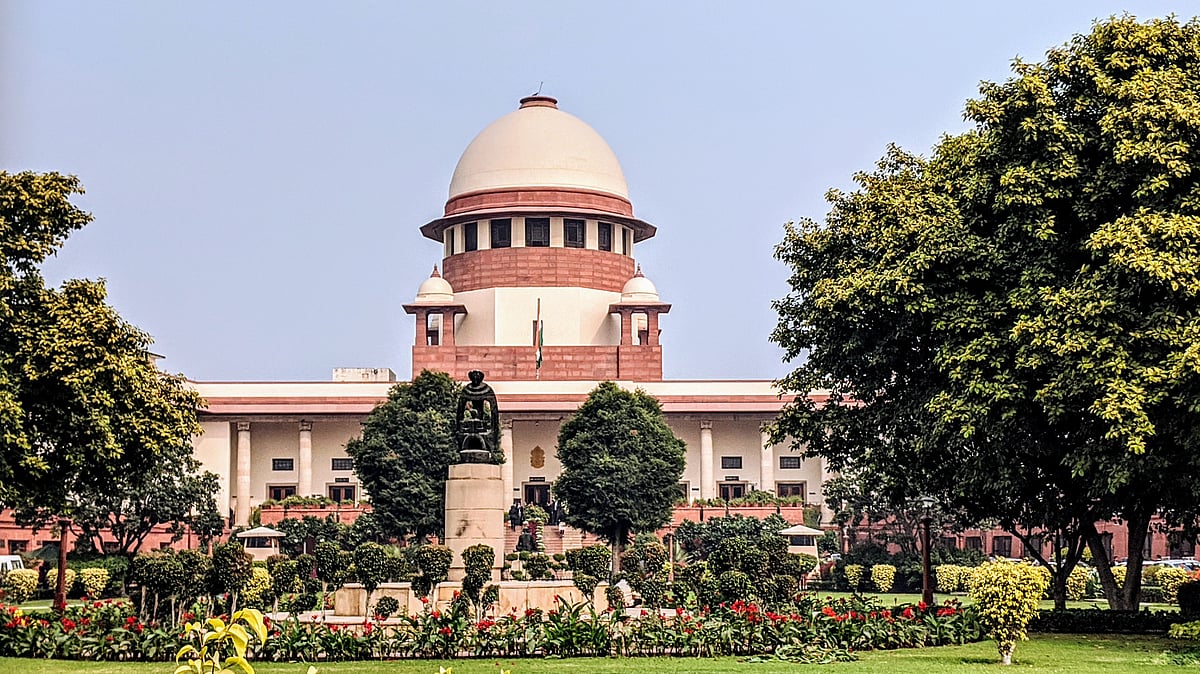
The Supreme Court of India has recently addressed concerns regarding the methodology for caste enumeration in the upcoming 2027 national census.
The Court refused to entertain a Public Interest Litigation (PIL) that questioned the procedures for recording, classifying, and verifying caste data, but directed the Centre and the Registrar General to consider the suggestions raised by the petitioner. The 2027 census will be the first comprehensive caste enumeration since 1931 and is set to be fully digital.
According to The Indian Express, the Supreme Court bench led by Chief Justice Surya Kant and Justice Joymalya Bagchi agreed in principle with the petitioner’s contention that relying solely on self-declaration for caste status could undermine the accuracy of the census. The Court stated, “Nothing should be included or excluded based upon a certificate, the genuineness of which might be either doubtful or unverified.”
As highlighted by Live Law, the petitioner, Aakash Goel, argued that the absence of a verifiable mechanism for caste enumeration could result in unreliable data, which would have long-term implications for welfare policies and reservations. The Court acknowledged the relevance of these concerns but emphasised that the census process is a specialised exercise best left to the expertise of the authorities under the Census Act, 1958.
Coverage revealed that the Supreme Court directed the authorities to consider the issues raised in the legal notice and the petition, while also noting that the petitioner had flagged relevant issues through representation to the Registrar General of Census Operations. The Court reiterated its confidence that the authorities, with the assistance of domain experts, would have developed a robust mechanism to address potential errors.
In its order, the Court stated that the census exercise is regulated by the Census Act and the 1990 Rules, which empower the authorities to determine the particulars and manner of census operations. The Court disposed of the PIL with a direction to the respondents to consider the suggestions and issues raised by the petitioner, allowing for supplementary representation if necessary as details emerged.
“We have no reason to doubt that the respondent authorities with the aid and assistance of the domain experts must have evolved a robust mechanism in order to rule out any mistake as apprehended by the petitioner or several like-minded persons. Nevertheless, we find that the petitioner has flagged some of the relevant issues,” the Supreme Court observed.
Analysis showed that the petitioner, represented by senior advocate Mukta Gupta, had called for a transparent questionnaire and public disclosure of the criteria for recording caste identity, especially as the enumeration now extends beyond Scheduled Castes and Scheduled Tribes to include Other Backward Classes for the first time in an official census.
The Court clarified that while it would not intervene in the technical aspects of the census, it expected the authorities to consider the petitioner’s suggestions and ensure that the process is robust and transparent following reports.
“A self-declaration without verifying can be very hazardous because anybody would say anything, and that will affect the sanctity of the census,” senior advocate Mukta Gupta argued before the Court.
In summary, the Supreme Court has left the technicalities of caste enumeration to the census authorities but has directed them to consider the concerns raised about self-declaration and verification mechanisms. The 2027 census will proceed under the existing legal framework, with the authorities expected to address the flagged issues to maintain the integrity of the data as the matter concluded.
Note: This article is produced using AI-assisted tools and is based on publicly available information. It has been reviewed by The Quint's editorial team before publishing.