Row in Parliament Over SHANTI Bill That Allows Private Players in Nuclear Sector
The Sustainable Harnessing & Advancement of Nuclear Energy for Transforming India Bill was introduced in Parliament.
advertisement
The Sustainable Harnessing and Advancement of Nuclear Energy for Transforming India Bill, commonly referred to as the SHANTI Bill, was introduced in the Indian Parliament on 15 December 2025. The bill aims to overhaul the existing legal framework governing nuclear energy in India, particularly by allowing private sector participation in the nuclear power sector.
The SHANTI Bill proposes to repeal both the Atomic Energy Act of 1962 and the Civil Liability for Nuclear Damage Act of 2010. This legislative change is intended to facilitate the entry of private players into the nuclear energy market, which has traditionally been dominated by state-owned enterprises.
According to The Hindu, the bill is seen as a significant step towards increasing India's nuclear capacity, which currently contributes only about 3% to the country's electricity generation.
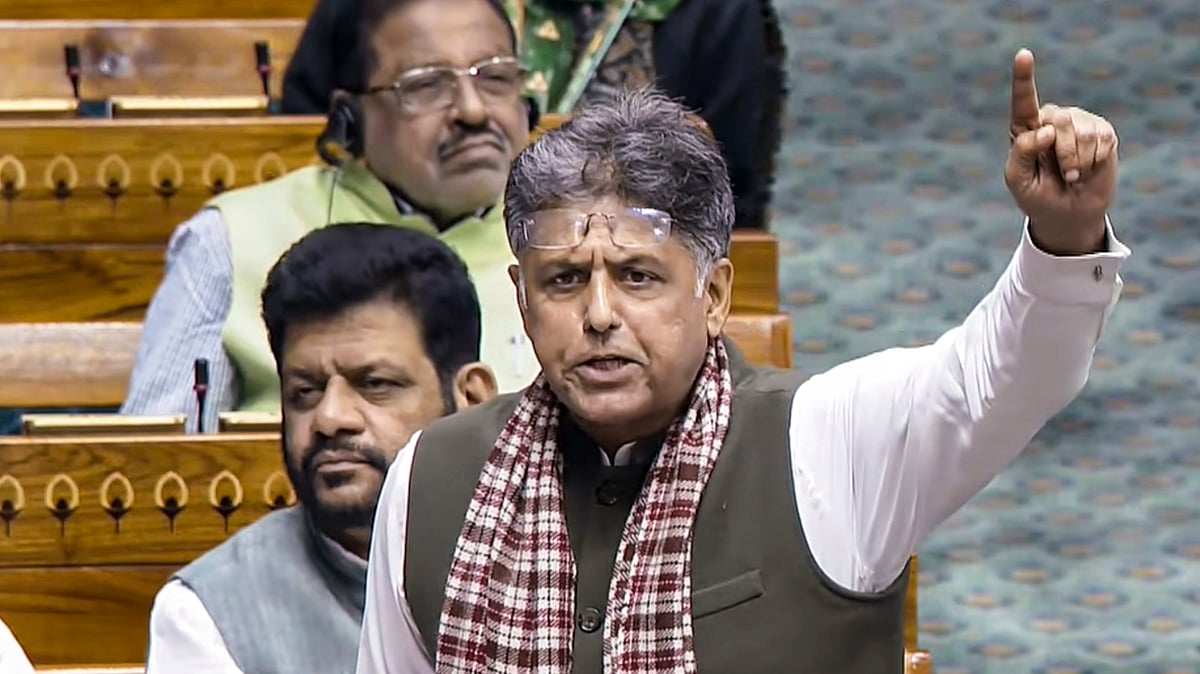
The central government will assume liability beyond this cap, which has raised concerns among opposition parties regarding the adequacy of compensation for potential victims of nuclear accidents. The Deccan Herald reported that Congress MP Manish Tewari criticised this provision, arguing that it undermines the safety and accountability measures established in previous legislation.
Furthermore, the bill allows for private entities to participate in the construction and operation of nuclear facilities, which has sparked debate about the implications for safety and regulatory oversight. Critics argue that the bill lacks clarity on the role of the Atomic Energy Regulatory Board (AERB), which is responsible for ensuring the safety of nuclear installations. Tewari emphasised the need for a robust regulatory framework to maintain public trust in the nuclear sector, as reported by Deccan Herald.
The Indian Express noted that the bill is expected to attract foreign funding, particularly from sovereign funds in West Asia, to support India's nuclear capacity expansion. This aspect has raised alarms among opposition leaders who fear that it may compromise India's energy independence and security.
During the parliamentary discussions, several opposition MPs, including Shashi Tharoor, expressed concerns about the bill's implications for nuclear safety and governance.
The Congress party has issued a whip to its MPs, mandating their presence in the Lok Sabha for the discussions on the SHANTI Bill, indicating the importance the party places on this legislation. The The Hindu reported that the party aims to ensure that its members are actively involved in the debate surrounding this critical piece of legislation.
Note: This article is produced using AI-assisted tools and is based on publicly available information. It has been reviewed by The Quint's editorial team before publishing.