Sajjan Kumar, Former Congress MP and 1984 Anti-Sikh Pogrom Convict, Dies At 80
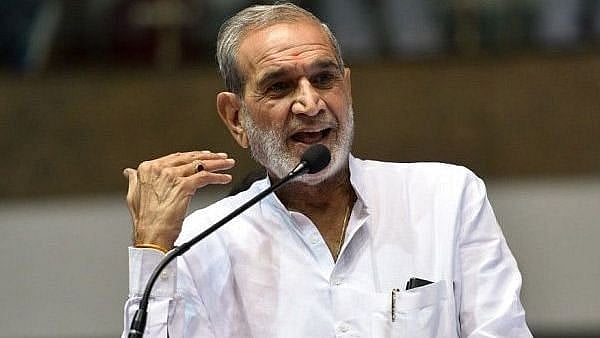
Former Congress MP Sajjan Kumar, convict in the 1984 anti-Sikh pogroms, died aged 80 in Delhi on 20 August 2026.
advertisement
Former Congress MP Sajjan Kumar, aged 80, died on 20 August 2026 at Safdarjung Hospital in Delhi while serving a life sentence for his role in the 1984 anti-Sikh pogroms. He had been lodged in Tihar Jail following convictions in multiple cases related to the violence. The hospital has not disclosed the cause of death. Kumar was a three-time Lok Sabha MP and had resigned from the Congress party after his conviction.
According to Hindustan Times, Sajjan Kumar was sentenced to life imprisonment by the Delhi High Court in December 2018 for his involvement in the killing of five Sikhs and the burning of a gurdwara during the 1984 pogroms. In February 2025, he received another life sentence from a Delhi court for the killing of two Sikh men during the same period.
As reported by Deccan Herald, Kumar was brought to Safdarjung Hospital from Tihar Jail, but the hospital had not clarified the cause of his death at the time of reporting. He had represented the Outer Delhi constituency in the Lok Sabha and was a prominent Congress leader before resigning from the party in 2018.
As The Indian Express stated in an article, Kumar was convicted of criminal conspiracy, promoting enmity, and acts against communal harmony. He was found guilty of leading a mob that killed Jaswant Singh and his son Tarundeep Singh in Saraswati Vihar on 1 November 1984, and of looting and destroying their property.
Further details show that Kumar began his political career as a Delhi councillor in 1977 and later became a Lok Sabha MP. His career was overshadowed by allegations and subsequent convictions related to the 1984 anti-Sikh riots, which followed the assassination of then Prime Minister Indira Gandhi.
“Sajjan Kumar spent the final years of his life in prison after being convicted in the cases arising from one of the darkest episodes in India's political history,” the coverage noted.
Witnesses accused Kumar of inciting mobs against the Sikh community on 1 November 1984, allegedly urging them to avenge Indira Gandhi’s assassination. Testimonies indicated that Kumar was a key organiser of the violence, with some survivors refusing relief offered by him in the aftermath.
Legal proceedings against Kumar continued for decades, with additional information confirming that he was serving multiple life sentences at the time of his death. His convictions were based on extensive witness accounts and judicial findings.
Analysis showed that a fact-finding report by the People's Union for Civil Liberties concluded the violence was not spontaneous but involved coordinated attacks allegedly orchestrated by Congress politicians, including Kumar.
“A politician who had risen from Delhi's municipal politics to the Lok Sabha became one of the most prominent Congress figures associated with the 1984 anti-Sikh riots,” the reporting indicated.
His death marks the end of a lengthy legal and political saga, with coverage revealed that Kumar’s legacy remains closely tied to the events and aftermath of the 1984 riots.
Note: This article is produced using AI-assisted tools and is based on publicly available information. It has been reviewed by The Quint's editorial team before publishing.