Rohingya Families In Jammu Forced to Become Homeless After Evictions
Hundreds of Rohingya families in Jammu face homelessness after eviction notices and demolition of their shelters.
advertisement
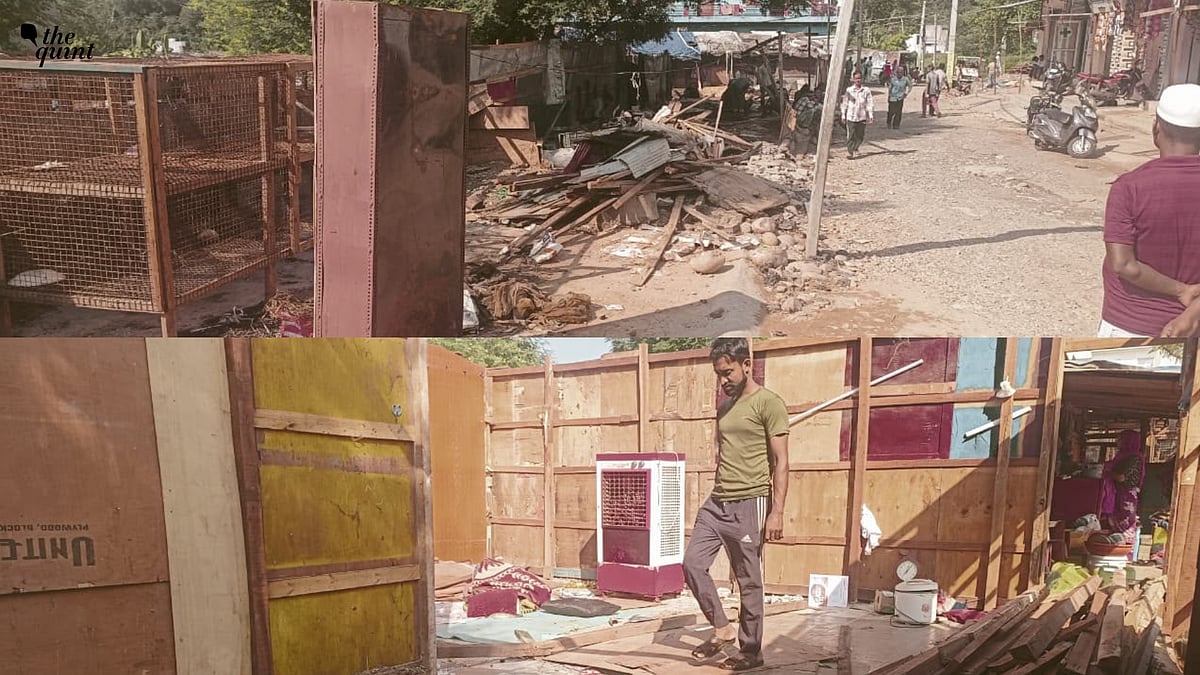
Hundreds of Rohingya families in Jammu have been displaced following eviction notices that required them to dismantle their shelters and shops in the Karyani Talab area of Narwal. The families, many of whom have lived in the settlement for over a decade, now face homelessness with no alternative accommodation provided by authorities. Residents, including children, women, and elderly people, are currently sitting on the roads with their belongings, uncertain about their future.
According to Maktoob Media, the eviction process began after authorities served notices to landowners who had rented plots to Rohingya families, instructing them to remove all residential and commercial structures. The notices cited the land’s designation for agricultural use and questioned the legality of allowing “foreigners” to settle on these plots.
Residents reported that the initial phase of the eviction targeted around 30 to 40 shops, followed by orders for families living in approximately 80 to 90 makeshift huts to vacate. Coverage revealed that some families had lived in the area for 15 to 16 years, relying on daily-wage labour and informal work to survive.
The displaced families, many of whom possess United Nations refugee cards, originally fled Myanmar due to violence and persecution. Reporting indicated that the community already faced inadequate access to water, electricity, and basic services prior to the evictions. One resident stated, “We are poor labourers and earn our livelihood through daily work. We do not know where we will go now.”
“We don’t know. We are sitting on the roads now, nowhere to go. All what we built for years is now gone.”
The Rohingya Human Rights Initiative estimated that around 350 shelters had been demolished, affecting nearly 1,800 people. Further details showed that some families considered moving to other parts of India or even Bangladesh, but neither option offered a guaranteed safe or sustainable solution.
Attempts by some displaced families to establish temporary shelters elsewhere were reportedly prevented by police. Analysis showed that this has resulted in a cycle of displacement, with families unable to find legal or safe places to relocate.
The evictions followed a visit by a government-appointed High-Level Committee on Demographic Changes, which inspected Rohingya settlements in Jammu in August 2026. Information provided to the committee indicated that 7,656 Rohingyas had been identified across Jammu and Kashmir, with the majority residing in the Jammu region.
“The fundamental question is what happens to these families after their shelters are demolished. If there is no safe and viable alternative accommodation, an eviction order does not merely change their address; it can push women, children and elderly people into homelessness and further vulnerability.”
Refugee rights lawyer Fazal Abdali highlighted that the legal status of Rohingya refugees in India is protected under Articles 14 and 21 of the Constitution, which guarantee equality before law and protection of life and personal liberty to all persons, not just citizens. Statements confirmed that the absence of a dedicated refugee law does not justify arbitrary eviction or actions that leave a persecuted community homeless.
The Rohingya Human Rights Initiative has appealed for a halt to further displacement until humanitarian consequences are assessed and for the provision of alternative accommodation. Calls for independent monitoring and access to essential services have also been made by the organisation.
Note: This article is produced using AI-assisted tools and is based on publicly available information. It has been reviewed by The Quint's editorial team before publishing.