Pete Hegseth Faces Scrutiny As He Appears Before US Congress Amid Iran War
US Defence Secretary Pete Hegseth faces Congress over Iran war and military budget.
advertisement
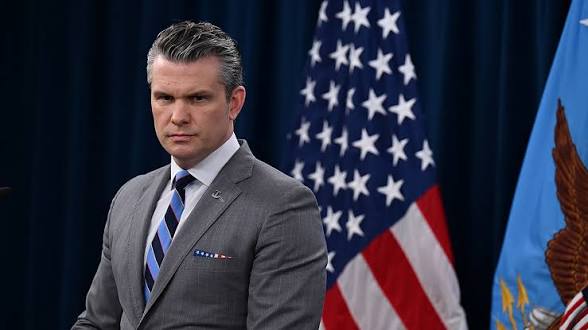
US Defence Secretary Pete Hegseth appeared before the House Armed Services Committee on 29 April 2026, marking his first congressional testimony since the Trump administration initiated military action against Iran. The hearing was convened to scrutinise the administration’s proposed 2027 defence budget, which seeks a record $1.5 trillion in spending. Lawmakers questioned Hegseth on the conduct, costs, and consequences of the Iran conflict, as well as the preparedness of US forces and the impact on global security.
According to The Hindu, the session represented the first opportunity for Congress to directly question Hegseth since the escalation of hostilities with Iran. Democratic members challenged the administration’s rationale for the war, raising concerns about the lack of congressional authorisation and the financial burden on the US military.
As reported by The Hindu, the Iran conflict has led to significant disruptions in global energy markets, particularly following Iran’s closure of the Strait of Hormuz. The ongoing blockade has affected international shipping and contributed to volatility in oil prices, despite a temporary ceasefire halting direct fighting between Iran, the US, and Israel.
In the context of these developments, The Guardian highlighted the broader geopolitical ramifications, including the United Arab Emirates’ decision to exit the OPEC oil cartel. This move, influenced by the regional instability stemming from the Iran war, has further complicated the global energy landscape and is viewed as a significant shift in Middle Eastern alliances.
Analysis showed that public attention has also focused on personal aspects of Hegseth’s life, with recent media coverage of his wife’s appearance at the White House Correspondents’ Dinner sparking political debate. While unrelated to the congressional hearing, such incidents have contributed to heightened scrutiny of Hegseth’s public profile during a period of intense political and military pressure.
“Defence Secretary Pete Hegseth will face questioning from lawmakers on Wednesday for the first time since the Trump administration launched the war against Iran, which Democrats have contested as a costly conflict of choice waged without congressional approval.”
Coverage revealed that the congressional session coincided with other major events in Washington, including King Charles III’s address to Congress. The King’s speech emphasised the importance of transatlantic alliances and the need for unity in the face of global uncertainty, indirectly referencing the ongoing conflicts in the Middle East and Europe.
Officials responded quickly following reports that the King’s address received multiple standing ovations and called for renewed support for NATO and democratic values. The speech was delivered against a backdrop of heightened security in Washington, following a recent gun attack and ongoing international tensions.
The hearing also took place as Iran submitted a new diplomatic proposal to regional intermediaries, offering to cease military operations in the Strait of Hormuz if the US lifted its blockade. However, negotiations remain inconclusive, and the US administration has yet to announce any changes to its current policy or military posture in the region as details emerged.
“The hearing before the House Armed Services Committee is being held to discuss the administration’s 2027 military budget proposal, which would boost defence spending to a historic $1.5 trillion.”
In summary, the congressional hearing underscored the complex interplay between military strategy, legislative oversight, and international diplomacy. Hegseth’s testimony is expected to shape ongoing debates over US involvement in the Iran conflict, defence spending priorities, and the broader direction of American foreign policy according to recent updates.
Note: This article is produced using AI-assisted tools and is based on publicly available information. It has been reviewed by The Quint's editorial team before publishing.