Pakistan Army Chief Lands in Iran, Setting Stage for Next Round of US-Iran Talks
Pakistan Army Chief Asim Munir to visit Tehran for second round of Iran-US peace talks.
advertisement
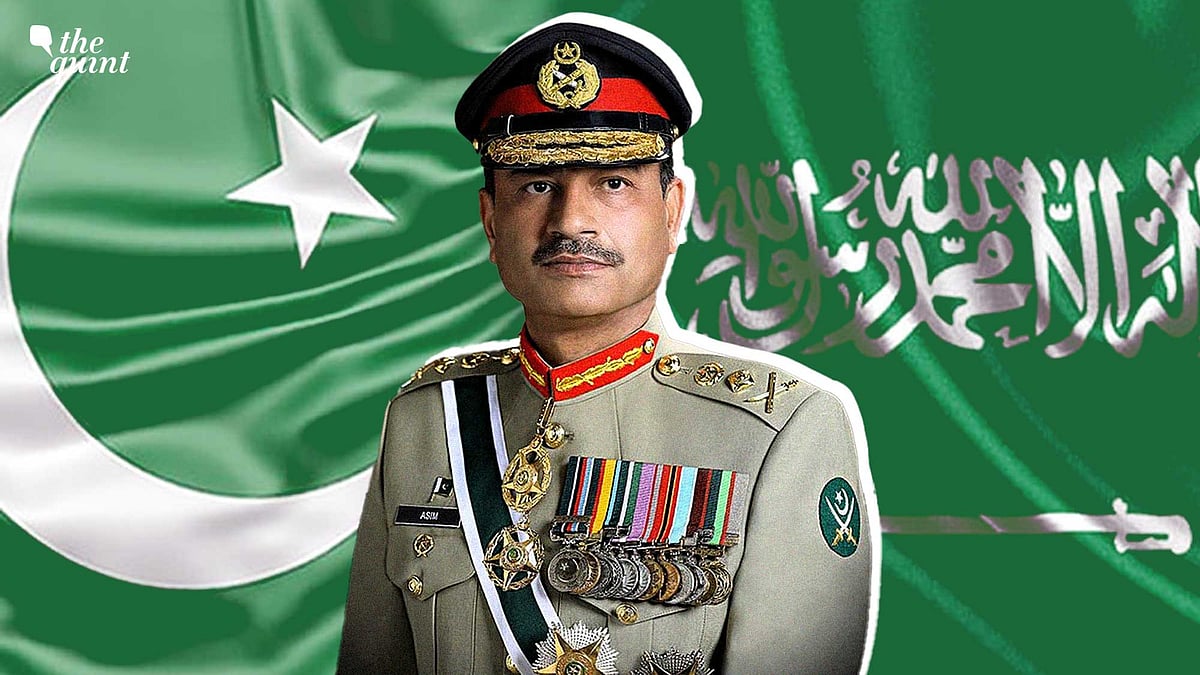
Pakistan’s Chief of Army Staff, Field Marshal Asim Munir, landed in Tehran to coordinate the second round of peace talks between Iran and the United States. This development follows the collapse of initial negotiations in Islamabad, which failed to produce a breakthrough on key issues, including Iran’s nuclear programme and regional security concerns. The upcoming talks are viewed as a critical opportunity to stabilise the situation after weeks of heightened tensions and military actions in West Asia.
According to Deccan Herald, Field Marshal Asim Munir’s visit to Tehran is intended to plan the next phase of negotiations, with a Pakistani delegation already en route. The report highlights that Pakistan has emerged as a key intermediary, maintaining communication channels between Iran and the United States after the previous round of talks ended without agreement.
As reported by The Hindu, the failed negotiations in Islamabad were followed by the imposition of a US blockade on Iranian ports. US Vice President JD Vance acknowledged persistent mistrust between Washington and Tehran, stating, “You are not going to solve that problem overnight,” but expressed optimism about the willingness of Iranian negotiators to reach a deal.
Statements from US officials indicate that President Donald Trump expects talks to resume in Islamabad within days, though Pakistani sources suggest the timeline may be slightly longer. Trump has publicly praised Field Marshal Asim Munir for his efforts in arranging the negotiations, describing his role as instrumental in facilitating dialogue.
As coverage revealed, the head of the International Atomic Energy Agency has warned that any agreement between the US and Iran must include strict verification mechanisms to avoid the risk of an “illusion” of compliance. This underscores the complexity of the issues at stake in the upcoming talks, particularly regarding Iran’s nuclear activities.
“We received direct threats while en route to Islamabad that our plane might be attacked. As a result, on the way back to Tehran, the delegation secretly switched planes,” Iranian political analyst Mohammad Marandi told Al-Mayadeen, as cited in multiple reports.
Further details emerged about the Iranian delegation’s return journey from Islamabad, with officials opting for bus and train travel due to security concerns. This decision reflected the deepening distrust between Iran and the United States, as well as the heightened risks associated with the ongoing conflict.
The situation remains fluid as diplomatic efforts continue. President Trump has stated that the war with Iran is “very close to being over,” attributing the progress to the mediation efforts led by Pakistan’s military leadership. However, he emphasised that any resolution must ensure Iran does not acquire nuclear weapons.
Negotiators are preparing for renewed discussions amid ongoing security concerns, with both sides seeking guarantees and verification measures. The Iranian delegation’s decision to avoid air travel underscores the fragile trust and the need for robust security arrangements in future talks.
“It is quite evident that Pakistan will use its IOUs for acquiring more military capability against India while trying to play a larger role in the Middle-East,” an analysis noted, reflecting the broader strategic implications of Pakistan’s mediation role.
Regional observers have noted that Pakistan’s involvement in the peace process could enhance its international standing, with the country positioned as a potential peacemaker. The evolving dynamics are expected to influence not only Iran-US relations but also Pakistan’s ties with neighbouring countries and Gulf states.
Note: This article is produced using AI-assisted tools and is based on publicly available information. It has been reviewed by The Quint's editorial team before publishing.