Opposition Prepares Impeachment Motion Against CEC Gyanesh Kumar
<p>Opposition parties plan impeachment motion against CEC Gyanesh Kumar amid voter roll controversy.</p>
advertisement
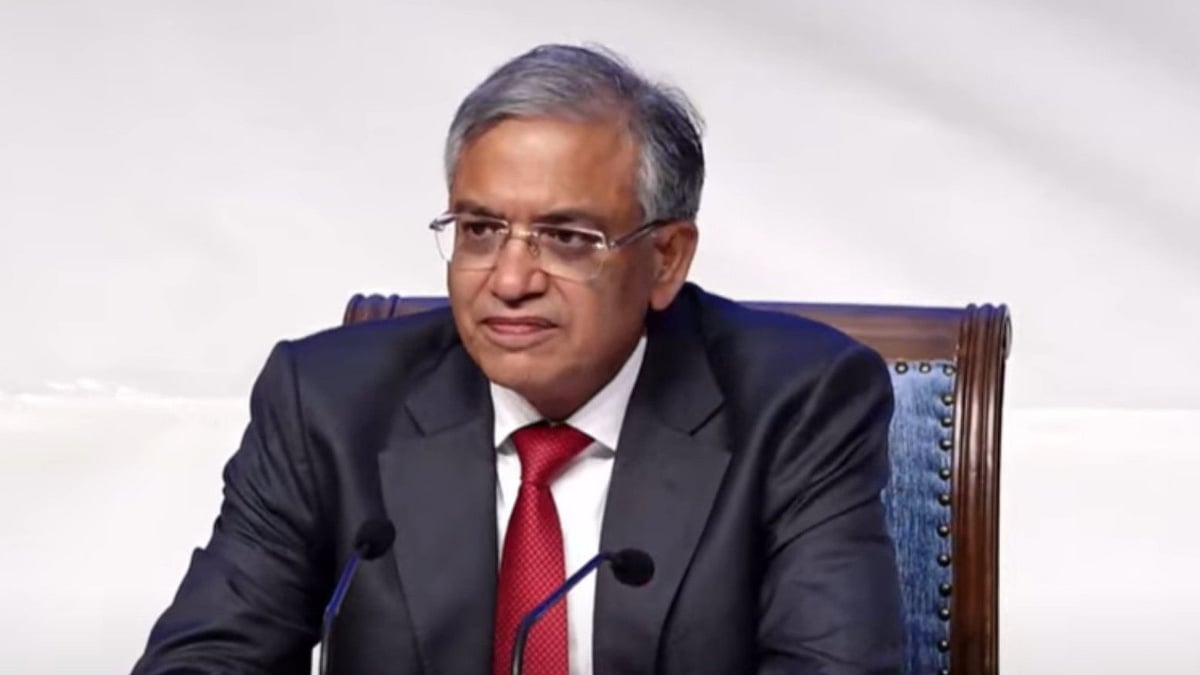
Opposition parties are preparing to move an impeachment motion against Chief Election Commissioner Gyanesh Kumar. The move follows ongoing disputes over the Special Intensive Revision (SIR) of electoral rolls, particularly in West Bengal, and comes as the Lok Sabha is yet to resolve a separate no-confidence motion against Speaker Om Birla. The impeachment process requires support from a significant number of Members of Parliament in both Houses.
According to The Hindu, the INDIA bloc parties are coordinating the impeachment motion, with Trinamool Congress Deputy Leader Satabdi Roy raising the issue at a meeting chaired by Congress president Mallikarjun Kharge. The bloc is finalising details, including which House will introduce the motion and ensuring the required number of signatures.
As reported by Hindustan Times, the opposition’s strategy involves first addressing the pending motion against Speaker Om Birla before proceeding with the impeachment motion against Gyanesh Kumar.
As The Indian Express stated in an article, tensions escalated after West Bengal minister Chandrima Bhattacharya accused Gyanesh Kumar of disrespectful conduct during a meeting about the SIR process. The Trinamool Congress delegation presented allegations of procedural violations and argued that the SIR mechanism was being used to disenfranchise voters. The Election Commission has denied these allegations, stating that all procedures were followed.
Coverage revealed that the impeachment process for a Chief Election Commissioner is constitutionally rigorous. Article 324(5) of the Constitution stipulates that removal requires a motion supported by a two-thirds majority of members present and voting in both the Lok Sabha and Rajya Sabha. The motion must specify the grounds for removal, and a special committee is constituted to investigate the allegations before a final vote is held.
In the context of the SIR controversy, reporting indicated that the opposition’s actions are part of a broader campaign to highlight alleged institutional bias and procedural irregularities. The opposition claims that the SIR process has disproportionately affected certain voter groups, particularly in West Bengal, and has called for restoration of statutory authority to Electoral Registration Officers and an independent audit of the process.
“We have only one point; everyone must be given the right to vote. We want to ensure voting rights for all…If you think you can capture power by attacking people, intimidating them and removing names from the voters’ list, that will not happen,” West Bengal Chief Minister Mamata Banerjee said, as quoted in the sources.
In recent meetings, analysis showed that opposition leaders are seeking to unify their approach across both Houses of Parliament. The impeachment motion requires at least 100 signatures in the Lok Sabha or 50 in the Rajya Sabha to be considered. If the special committee finds the CEC guilty, both Houses must pass the motion with a two-thirds majority before the President can issue a removal order.
Further details emerged as discussions continued among opposition parties, with leaders emphasising the need for transparency and accountability in the electoral process. The National Democratic Alliance currently holds a numerical advantage in Parliament, making the success of the impeachment motion uncertain, but the opposition maintains that the effort is necessary to uphold democratic norms.
Ongoing protests and debates have underscored the heightened scrutiny on constitutional institutions during the current parliamentary session. The opposition’s move to impeach Gyanesh Kumar is seen as a significant escalation in their challenge to the Election Commission’s recent actions and decisions.
Note: This article is produced using AI-assisted tools and is based on publicly available information. It has been reviewed by The Quint's editorial team before publishing.