Neha Bora Released After Overnight Detention Amid CJP Tiranga Protest Crackdown
Neha Bora, AISA president, was released after overnight detention following the 'Lehra Do Tiranga' protest.
advertisement
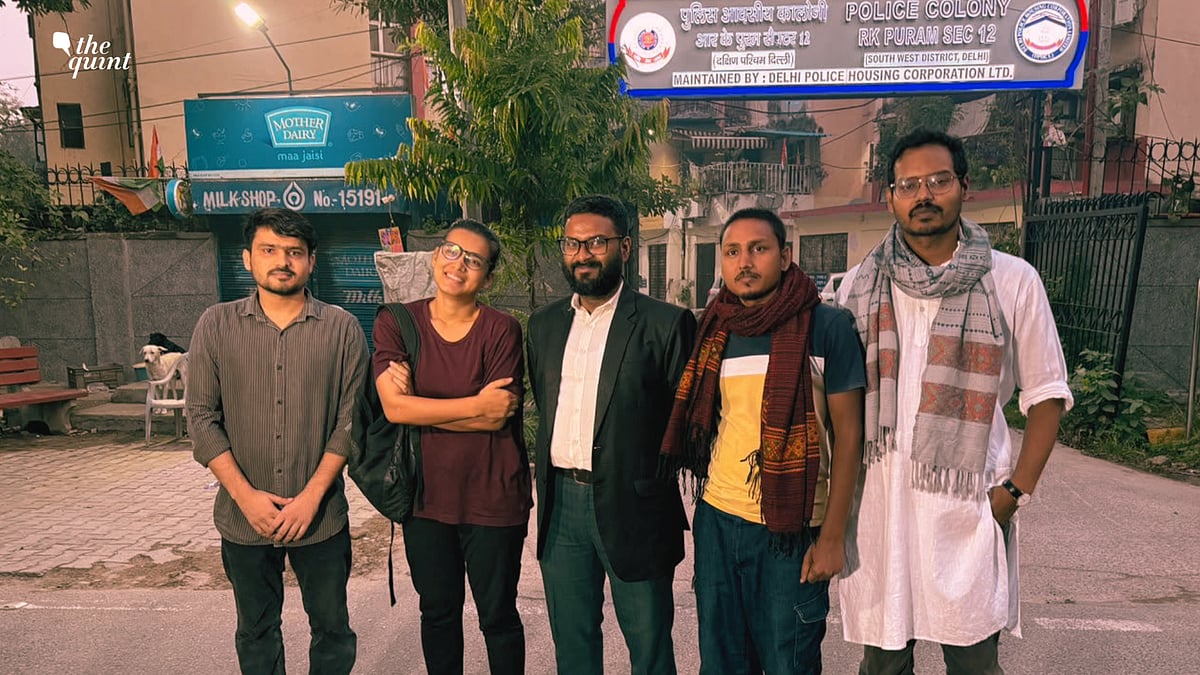
All India Students’ Association (AISA) president Neha Bora was released early on 17 October 2026 after being detained overnight by Delhi Police. Bora had been taken into custody on 16 October while proceeding to participate in the ‘Lehra Do Tiranga’ protest march at Connaught Place. The protest was organised to demand the resignation of Chief Election Commissioner Gyanesh Kumar and the withdrawal of the Special Intensive Revision (SIR) of electoral rolls. Bora’s release followed the completion of formalities under Section 65 of the Delhi Police Act.
According to The News Minute, Bora alleged that they were denied timely access to legal counsel during detention, with lawyers spending several hours attempting to reach them. Bora questioned the legal basis for overnight detention, stating, “Legally, individuals, especially women, ought to be released after sunset, yet this is not happening.”
As reported by Hindustan Times, Bora was released after approximately 12 hours in custody. The police cited preventive sections for the detention, while Cockroach Janta Party (CJP) convenor Abhijeet Dipke remained in custody and was scheduled to be produced before a magistrate. Bora stated, “Law and order are being flouted in every possible way. Ordinary citizens are treated as if they were hardened criminals, a practice that has persisted in this country for a long time.”
As highlighted by The Indian Express, Bora’s release was confirmed by Delhi Police, who stated that the formalities related to detention had been completed. The police also confirmed that Dipke was arrested under Sections 126 and 170 of the Bharatiya Nagarik Suraksha Sanhita (BNSS) and would be presented before the Special Executive Magistrate court.
“I have been released! @DelhiPolice release all detained protestors! Fighting for Democracy and the Constitution cannot be criminalised!” Bora posted on social media following their release.
As noted in an article by Deccan Herald, Bora was detained at Mandi House and subsequently moved between multiple locations before being taken to RK Puram police station. AISA claimed that lawyers were not permitted to meet Bora until late at night, and that Bora was denied access to necessary medication despite being unwell.
Further details indicated that Dipke’s whereabouts remained unclear for several hours after detention, with legal representatives unable to meet him. The police cited prohibitory orders in central Delhi as the reason for the preventive actions taken against protest leaders.
On the day of the protest, coverage revealed that multiple FIRs were registered for violations of prohibitory orders and alleged assaults during the demonstrations. The police stated that legal proceedings were ongoing and that further action would be taken as investigations progressed.
“Our lawyers spent 5–6 hours trying to reach me; it was only after we managed to call them that they were finally allowed to meet me. These are the kinds of things these people have been doing for a long time,” Bora said after release.
On the procedural aspects, official statements confirmed that Bora was released after the required documentation was completed, while Dipke’s arrest was processed under the relevant sections of the BNSS. Both detentions occurred as the individuals were en route to the protest site.
In the context of the broader protest movement, reporting indicated that opposition leaders and civil society groups continued to demand the release of all detained protesters and called for accountability regarding the conduct of law enforcement during the demonstrations.
Note: This article is produced using AI-assisted tools and is based on publicly available information. It has been reviewed by The Quint's editorial team before publishing.