AISA Preseident Neha Bora Moves Delhi High Court Over Peace Bond Notice
Neha Bora challenges Delhi Police peace bond notice in High Court after protest detention.
advertisement
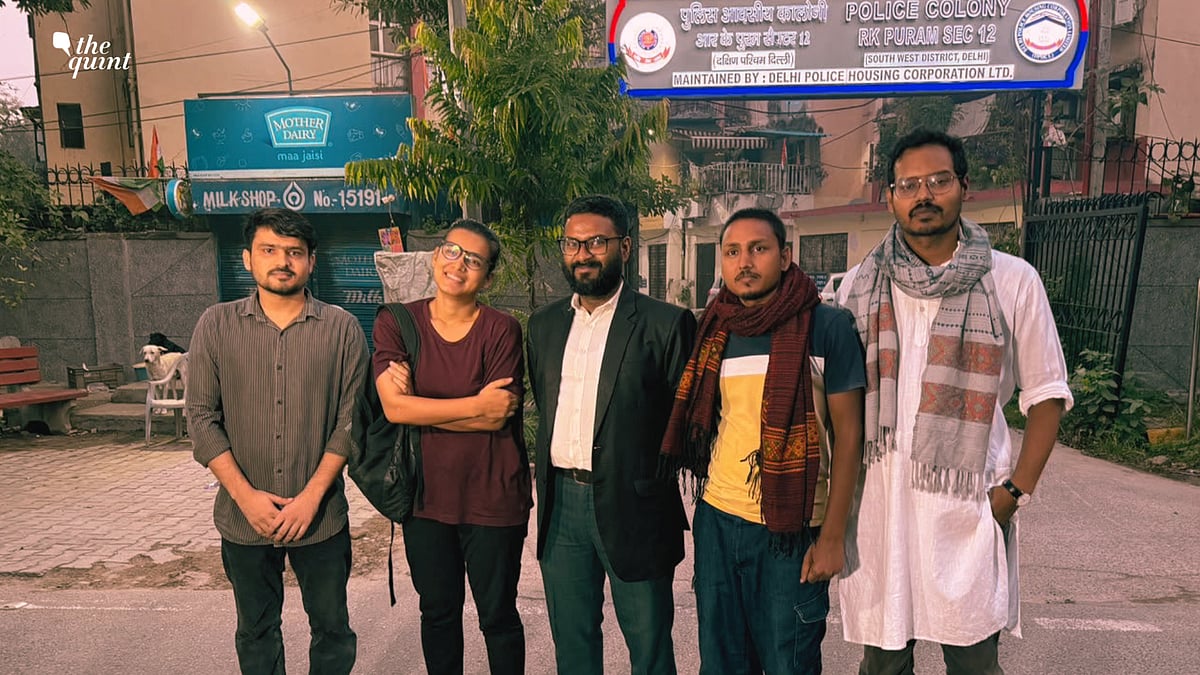
Neha Bora, president of the All India Students’ Association, was detained by Delhi Police on 16 October 2026 while en route to a protest march at Mandi House. She was released after approximately 12 hours in custody. Following her release, Bora received a notice from the Special Executive Magistrate requiring her to execute a peace bond of ₹10,000 with a surety, citing apprehension of breach of peace during the ongoing inquiry.
According to Live Law, Bora’s legal team sought an urgent hearing before the vacation bench of the Delhi High Court, challenging the police notice. The notice was issued under Section 65 of the Delhi Police Act, and her legal counsel argued that the preventive action was not justified by the facts presented by the authorities.
As reported by The Indian Express, Bora’s petition described the peace bond notice as a “colourable exercise of preventive powers to suppress peaceful dissent.” The plea argued that the allegations against her, including creating a nuisance by shouting during protest and instigating participation in an unauthorised demonstration, did not establish a likelihood of breach of peace. The petition further stated, “A bond whose object is to restrain the petitioner from protesting would operate as a prior restraint on her fundamental rights.”
As highlighted by The Hindu, the notice directed Bora to appear before the Special Executive Magistrate on 19 October 2026. Her legal team, led by advocates Abhik Chimni and Pranjal Abrol, sought an immediate stay and withdrawal of the notice, arguing that it was ambiguous and violated constitutional rights under Articles 19 and 21. The All India Students’ Association called the notice a calculated attempt to curb the right to peaceful protest.
“The allegation that she ‘created a nuisance by shouting loudly in protest describes, at its highest, the exercise of the freedom of speech and assembly’ and ‘discloses no likelihood of a breach of the peace’,” Bora’s plea stated.
Further developments indicated that similar preventive measures were taken against other protest leaders, including Abhijeet Dipke, who was released after signing a peace bond. Protests continued in the capital, with civil society groups raising concerns about the use of preventive detention and peace bonds to restrict dissent.
Legal analysis from recent court observations emphasised that while peaceful protest is a fundamental right, authorities must also consider the credentials of protesters and the potential for public inconvenience before imposing restrictions. The courts have reiterated that preventive powers should not be used as a routine administrative response to anticipated protests.
Statements from activists underscored ongoing concerns about the use of preventive detention and peace bonds. They argued that such measures, if applied without clear justification, could undermine the right to peaceful assembly and expression.
“It was an illegal custody, as there was no basis for them to keep Neha overnight. It was an elongated detention without any explanation... The criminal system doesn’t allow you to use powers of preventive custody so casually,” said a member of Bora’s legal team.
Legal teams have also highlighted the importance of following due process and ensuring that preventive actions are not misused to suppress lawful dissent. The Delhi High Court is expected to consider these arguments as it reviews Bora’s challenge to the peace bond notice.
Note: This article is produced using AI-assisted tools and is based on publicly available information. It has been reviewed by The Quint's editorial team before publishing.