New Rules Give Maharashtra CM Fadnavis to Overrule Decisions by Any Minister
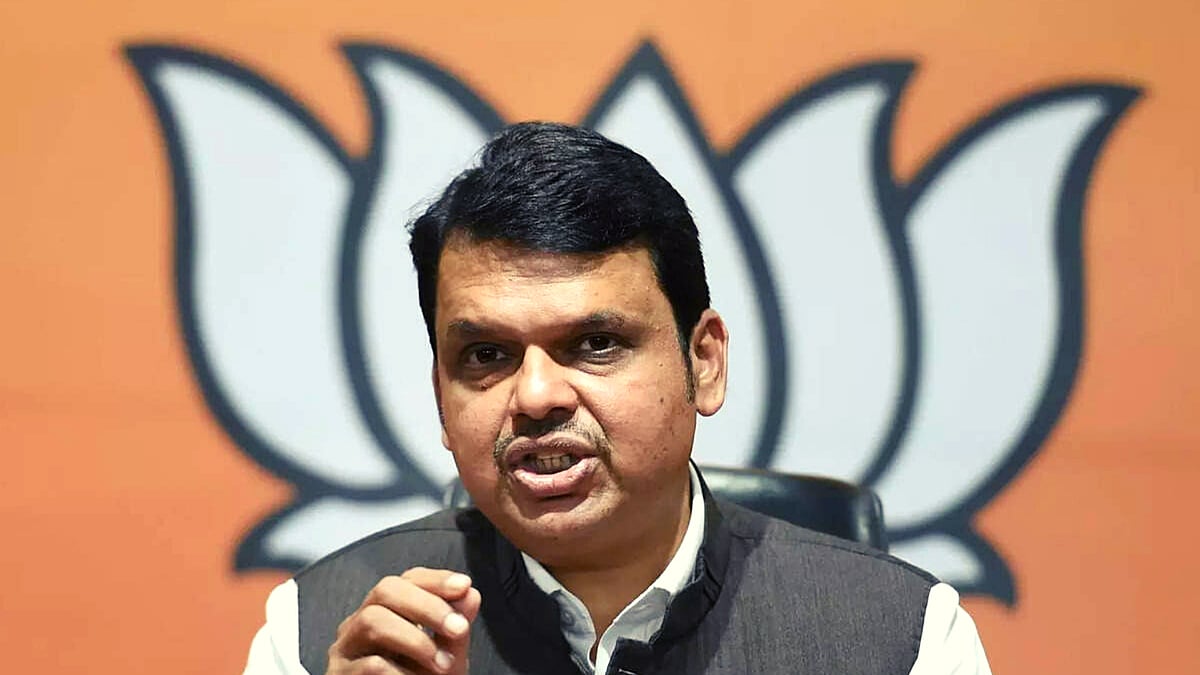
Maharashtra’s new Rules of Business grant Chief Minister Devendra Fadnavis veto power over ministerial decisions.
advertisement
The Maharashtra government has enacted new Rules of Business in 2026, formally empowering Chief Minister Devendra Fadnavis to override decisions made by any minister, provided the action is deemed in the public interest and the reasons are recorded in writing. These rules replace the previous 1975 framework and follow a 2023 Bombay High Court judgment that found the Chief Minister lacked such authority under the earlier regulations.
According to The Indian Express, the new provision is codified in the Maharashtra Government Rules of Business, 2026, notified by the General Administration Department on 14 August. The rules specify that, except in judicial matters, the Chief Minister can override any minister’s decision in the public interest, with written justification required for such intervention.
As highlighted by The Indian Express, the changes also grant the Chief Minister the authority to request documents from any department. Both the minister in charge and the department secretary are obligated to comply with such requests. The Chief Secretary is similarly empowered to seek documents from any department, reinforcing administrative oversight.
The rules outline that the Chief Minister may direct cases to be placed before the Cabinet, and certain matters listed in the Second and Third Schedules must be submitted to the Cabinet or the Chief Minister before orders are issued. The Second Schedule includes cases of special importance or those in which the Chief Minister has a particular interest. The Third Schedule covers matters that require the Chief Minister’s review prior to finalisation. Coverage revealed that these mechanisms are designed to centralise decision-making in key areas.
The new rules also allow the Cabinet to decide certain matters through circulation, meaning ministers can provide their views without convening a formal meeting. If all ministers agree and the Chief Minister deems a meeting unnecessary, the matter can be resolved without a Cabinet session. In urgent cases, if a minister fails to communicate an opinion within a specified deadline, it is treated as acceptance of the recommendations.
“The Fadnavis government’s move has come three years after the Bombay High Court held that the CM had no powers under the government’s then existing rules of business to review or modify a decision taken by the minister in charge of a department,” the report stated.
In addition, the Chief Secretary’s role in the decision-making process is strengthened. The Chief Secretary can advise the Chief Minister or a minister if a proposed action is contrary to law, inconsistent with government policy, or involves an important aspect not previously considered. All cases to be placed before the Cabinet must be routed through the Chief Secretary. Analysis showed that this provision aims to ensure legal and procedural compliance across departments.
The Finance Department’s gatekeeping role is also reinforced. No order involving revenue concessions, expenditure, land grants, creation of posts, or other financial implications can be issued without the department’s prior concurrence. Matters affecting peace and tranquillity, Centre-state relations, ordinances, nominations, and issues concerning Scheduled Castes, Scheduled Tribes, Other Backward Classes, and minorities must be submitted to the Governor before orders are issued. The rules are framed under Articles 166(2) and 166(3) of the Constitution, which govern the authentication of government orders and the transaction of state business. The new framework, as details emerged, is intended to clarify and formalise the Chief Minister’s supervisory powers.
Political discussion has followed the notification of these rules, particularly in the context of reported differences within the Mahayuti alliance, especially between Chief Minister Devendra Fadnavis and Deputy Chief Minister Eknath Shinde. Reporting indicated that while the government describes the changes as administrative, the timing and scope have drawn attention from state political circles.
Note: This article is produced using AI-assisted tools and is based on publicly available information. It has been reviewed by The Quint's editorial team before publishing.