Centre Asks Refineries to Maximise LPG Output for Domestic Use Amid Shortage
The hospitality and restaurant sectors have sounded alarms over the rapid spread of shortages amid West Asia war.
advertisement
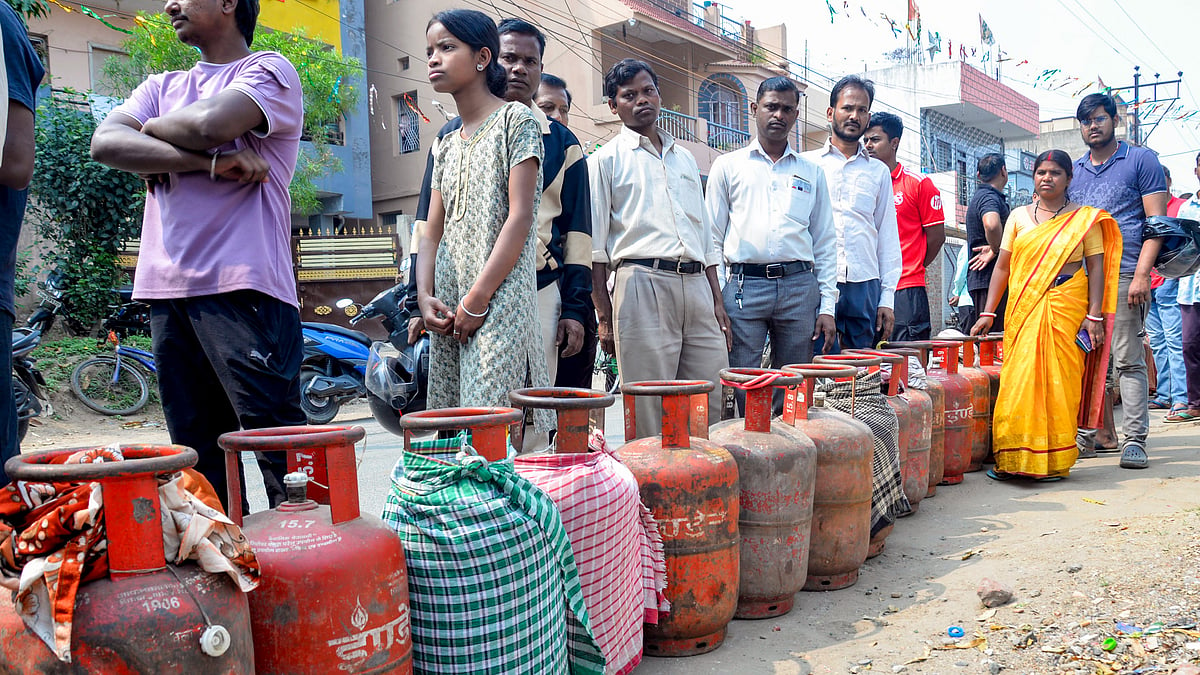
India is experiencing a significant shortage of commercial LPG cylinders, affecting restaurants, hotels, and food businesses in major cities. The disruption follows a recent increase in LPG prices and is linked to global oil supply constraints caused by the ongoing conflict in West Asia.
The government has prioritised domestic LPG supply, leading to operational challenges for the hospitality sector and warnings of potential closures if the situation persists.
According to Hindustan Times, hotel associations in Bengaluru and Chennai have reported severe disruptions in commercial LPG supply, with many restaurants warning of imminent shutdowns. The National Restaurant Association of India (NRAI) has also cautioned that continued shortages could lead to widespread closures, impacting daily meal services for students, professionals, and the general public.
Midway through the crisis, coverage revealed that the conflict between Iran and the United States has disrupted the Strait of Hormuz, a critical route for India’s LPG imports. With 62% of India’s LPG requirements met through imports, and 85-90% of those imports previously routed via the Strait, the closure has forced the government to seek alternative sources and further restrict commercial supply.
As reporting indicated, the hospitality sector has sounded alarms over the rapid spread of shortages, particularly in Mumbai and Bengaluru. Industry leaders have warned that if supplies are not restored, the sector could face paralysis within days. The government maintains that fuel stocks are adequate but has extended the domestic LPG refill booking cycle from 21 to 25 days to prevent hoarding and black marketing.
As highlighted by Siasat, non-domestic LPG supplies from imports are now being prioritised for essential sectors such as hospitals and educational institutions. Commercial establishments, including hotels and restaurants, are experiencing the brunt of the supply crunch as the government focuses on household kitchens.
At the start of the week, analysis showed that restaurants in Gurugram and Mumbai have begun considering alternative arrangements, such as switching to residential cylinders or reducing menu items. In Pune, the municipal corporation has temporarily closed gas crematoriums to prioritise domestic LPG supply, further illustrating the widespread impact of the shortage.
In response to the crisis, officials responded by ordering oil refineries to boost LPG production and by introducing a 25-day inter-booking period for domestic cylinders. The Ministry of Petroleum and Natural Gas has reiterated its commitment to ensuring uninterrupted supply for households, while commercial users are advised to prepare for continued uncertainty.
"The ministry has prioritised domestic LPG supply to households and introduced a 25 day inter-booking period to avoid hoarding/black marketing," the ministry stated.
In Lucknow, recent developments have left restaurants, caterers, and street vendors struggling to secure commercial LPG cylinders. With the marriage season approaching, industry representatives warn that continued shortages could result in significant losses for food businesses and disrupt essential services across the city.
Note: This article is produced using AI-assisted tools and is based on publicly available information. It has been reviewed by The Quint's editorial team before publishing.