Lok Sabha Passes Transgender Persons Amendment Bill Amidst Sharp Division
Lok Sabha passes Transgender Persons (Protection of Rights) Amendment Bill, 2026, redefining transgender identity.
advertisement
The Lok Sabha passed the Transgender Persons (Protection of Rights) Amendment Bill, 2026, on 24 March 2026 by voice vote. The bill redefines the term “transgender person,” removing the right to self-perceived gender identity and instead limiting recognition to individuals with specific biological or physiological markers or those belonging to certain socio-cultural identities. The legislation also introduces a medical board for identity determination and provides for graded punishments for offences against transgender persons.
According to The Hindu, the government stated that the bill’s objective is to provide safety and benefits to the transgender community by offering a precise definition. Social Justice and Empowerment Minister Virendra Kumar explained that district magistrates will issue identity cards to transgender persons, and a medical board will be established to assist in the identification process.
As reported by Hindustan Times, opposition parties, including the Indian National Congress, DMK, NCP, Shiv Sena (UBT), RJD, SP, and AITC, strongly opposed the bill. They argued that it violates the right to human dignity as established by the Supreme Court’s NALSA judgement and strips transgender people of their ability to self-identify. The opposition demanded that the bill be referred to a standing committee for further consultation.
Debate in the Lok Sabha saw Congress MP Jyothimani criticise the bill for being introduced without consultation with transgender communities, describing the government’s approach as “callous.” She stated, “A Supreme Court judgement has recognised that gender identity is a matter of self-determination. It is affirmed that dignity, bodily autonomy, identity are protected under Article 14, 15, 19 and 21 of the Constitution.” Coverage revealed that the opposition considers the bill regressive and a violation of constitutional rights.
In the government’s view, analysis showed that the previous definition of “transgender person” was too broad, making it difficult to identify those most in need of protection. The new definition introduces technical criteria, including specific sex characteristics, and explicitly excludes individuals with different sexual orientations or self-perceived sexual identities. The bill also introduces new offences, such as penalising forced gender-affirming procedures, and provides for graded punishments based on the severity of harm.
“To ensure that transgender persons can avail themselves of the benefits of this Act, it was necessary to provide a precise definition for them; this bill has been introduced to address that very need,” said Social Justice and Empowerment Minister Virendra Kumar.
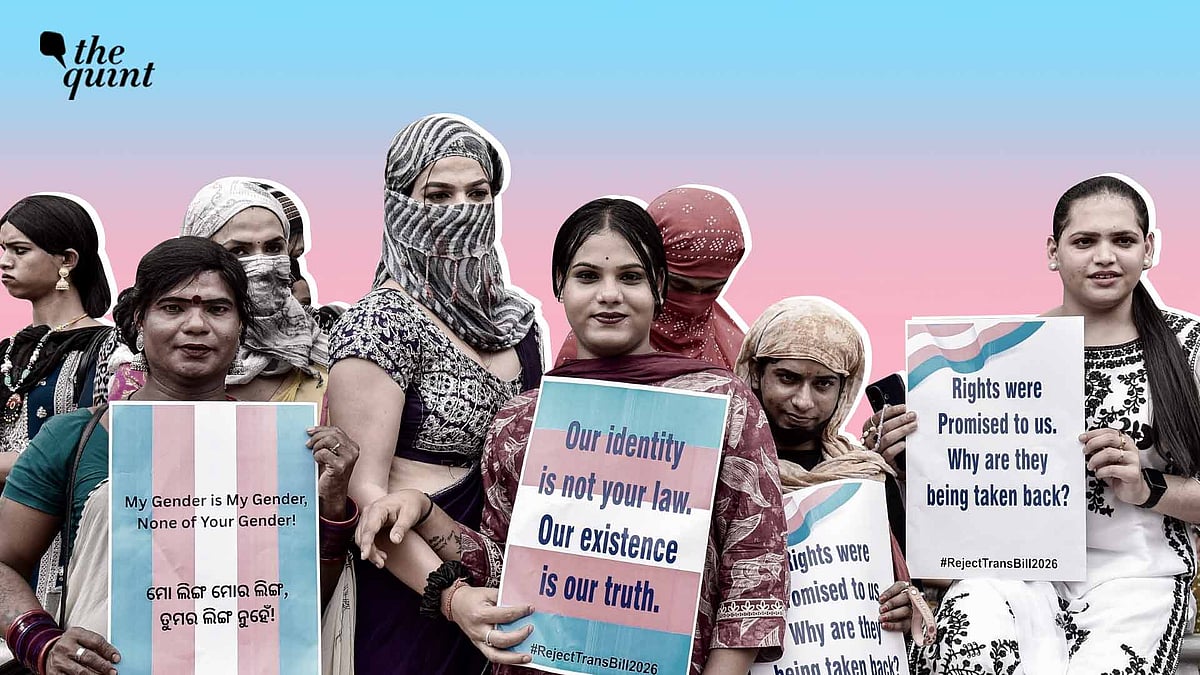
During the session, reporting indicated that community representatives from the National Council for Transgender Persons were not consulted about the amendments. Protests and campaigns by transgender communities occurred nationwide in response to the bill’s listing for consideration and passage.
Further, details emerged that the amendment restricts the definition to those with congenital variations in sex characteristics from birth, excluding those who self-identify as transgender after undergoing gender-affirming procedures. The bill also mandates that medical institutions performing such procedures must report details to district administrations.
“The purpose was and is not to protect each and every class of persons with various gender identities, self-perceived sex/gender identities or gender fluidities,” the bill states, as cited in parliamentary debate.
At the end of the debate, session updates confirmed that the bill was passed by voice vote, with the government maintaining that the amendments are necessary for effective implementation and targeted protection, while the opposition continued to call for broader consultation and adherence to constitutional principles.
Note: This article is produced using AI-assisted tools and is based on publicly available information. It has been reviewed by The Quint's editorial team before publishing.