John Healey Steps Down as UK Defence Secretary, Handing Another Blow To Starmer
John Healey’s resignation as UK defence secretary intensifies Labour’s internal crisis.
advertisement
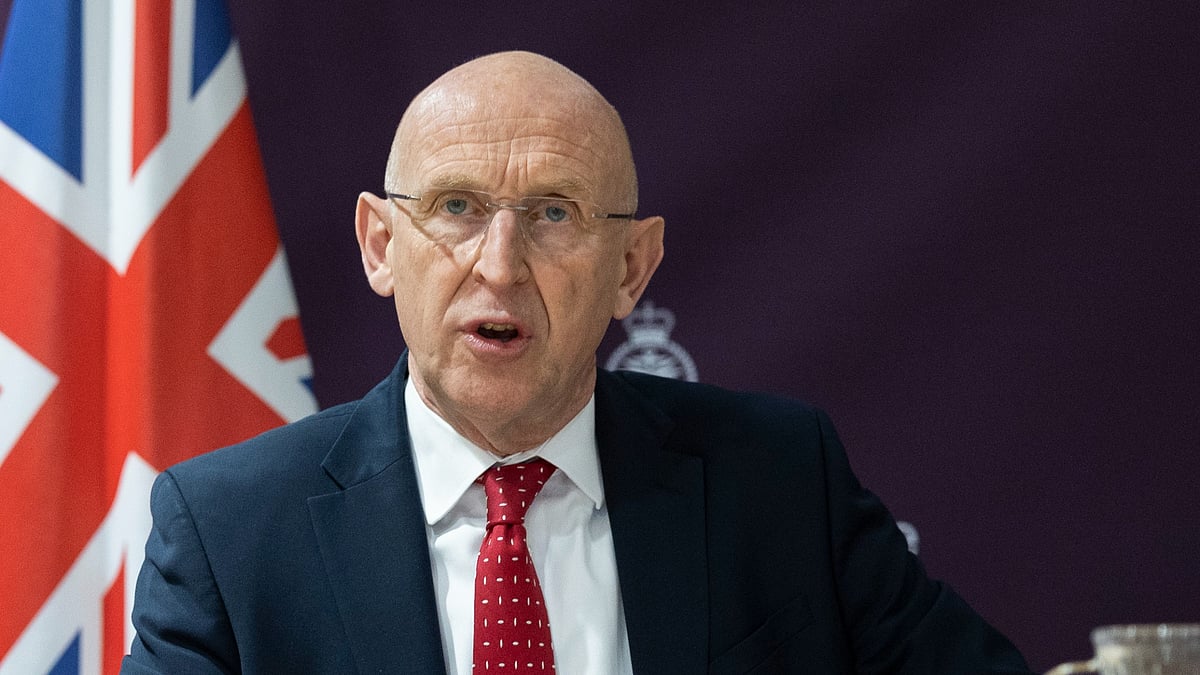
John Healey resigned as the United Kingdom’s defence secretary on 11 June 2026, citing insufficient funding for the military and warning that the government’s defence investment plan would reduce the readiness of the armed forces. His departure, followed hours later by armed forces minister Al Carns, has triggered a political crisis for Prime Minister Keir Starmer, with Labour’s internal divisions over defence spending coming to the fore ahead of a crucial NATO summit and a key by-election.
According to Hindustan Times, John Healey’s resignation letter directly criticised both Prime Minister Keir Starmer and the Treasury for failing to provide the resources necessary to defend the country amid rising threats. Healey stated he was being forced to make decisions that would “reduce the readiness of our forces and increase the risk to personnel on operations, and could make the country less safe.”
As reported by BBC, the defence investment plan (DIP) has been the subject of months of internal wrangling, with the Ministry of Defence requesting £28 billion in additional funding over four years, but the government preparing to announce only a £13.5 billion increase. Healey’s resignation was followed by that of armed forces minister Al Carns, who also cited inadequate funding and called the DIP “neither transformative enough nor sufficiently funded.”
As highlighted by The Guardian, Al Carns criticised the government’s approach, arguing that the defence plan was focused on outdated systems and failed to invest in innovative technologies. Carns also hinted at potential leadership ambitions, further intensifying speculation about Labour’s internal stability. “We are fighting amongst each other to get more money for the key unifying principle of any government, which is to protect this nation,” Carns said.
Media coverage emphasised that Healey’s resignation letter was described as a “blistering attack” on the government’s defence spending, with headlines noting the impact on Starmer’s authority and the risk to his political standing. The planned increase in defence spending was reported to be only 0.08% of GDP by 2030, falling short of both internal and NATO targets.
Internal party dynamics have been further complicated by the upcoming Makerfield by-election, where Andy Burnham is seeking a return to Westminster, potentially positioning himself for a leadership challenge. Analysis showed that Labour’s large Commons majority has not insulated Starmer from internal dissent, with multiple MPs suspended over policy disagreements and growing calls for a change in leadership.
“You have been unable, and the Treasury has been unwilling, to commit the resources that the nation needs to defend the country at this time of rising threats,” Healey wrote in his resignation letter.
Further details following reports indicate that Carns’ resignation letter went beyond funding concerns, criticising the government’s decision-making processes and calling for a “new way of governing.” He argued that public confidence in institutions was weakening and that the machinery of government had been left to decay, with decisions taking months instead of days.
Starmer’s response to the resignations has focused on defending the government’s record, insisting that the DIP would provide the resources needed for national security. However, reporting indicated that Starmer’s efforts to define his legacy are being undermined by ongoing internal disputes and the perception that his leadership is increasingly precarious.
The timing of the resignations, just weeks before the NATO summit in Ankara, has raised concerns among allies and defence industry stakeholders. At the end of the week, the government’s ability to finalise and fund a credible defence plan remains in question, with the fallout from Healey’s departure continuing to reverberate across the Labour Party and the broader UK political landscape.
Note: This article is produced using AI-assisted tools and is based on publicly available information. It has been reviewed by The Quint's editorial team before publishing.