JD Vance in Pakistan, Meets PM Shehbaz Sharif As US-Iran Talks Begin
JD Vance met Shehbaz Sharif in Islamabad as US-Iran peace talks began amid a fragile ceasefire.
advertisement
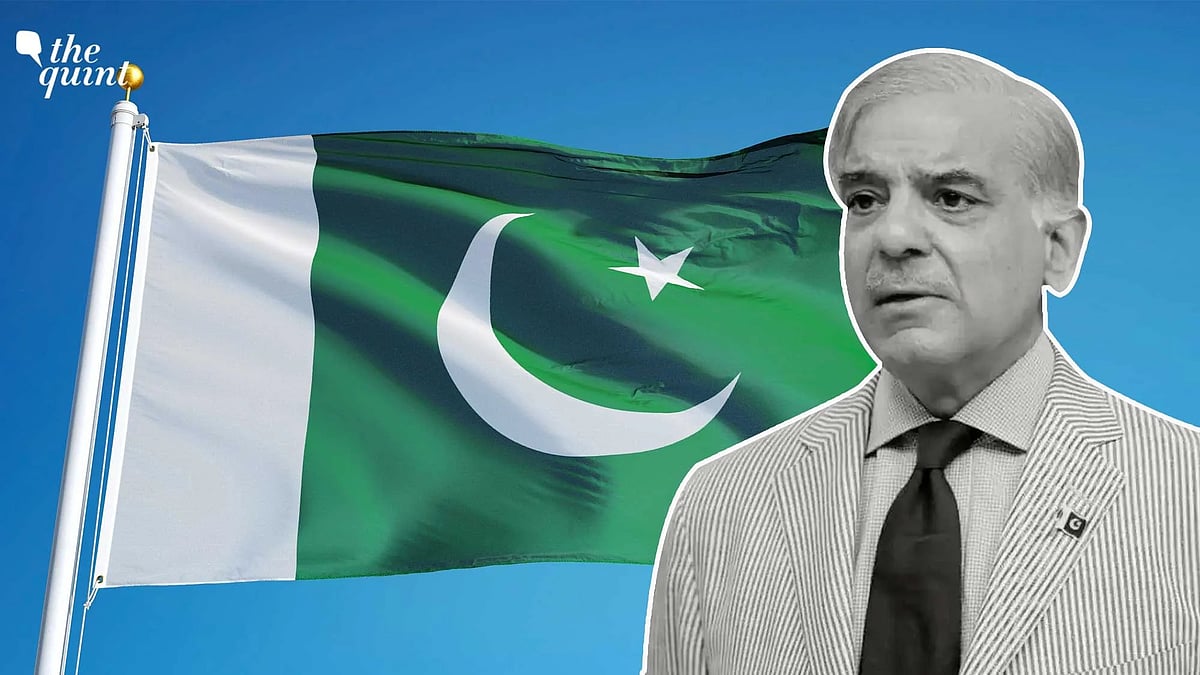
United States Vice President JD Vance arrived in Islamabad on 11 April 2026 to lead the American delegation in high-stakes peace talks with Iranian officials. The discussions, hosted by Pakistan, commenced under tight security and followed the recent announcement of a fragile two-week ceasefire between the US and Iran. Pakistani Prime Minister Shehbaz Sharif described the talks as a pivotal moment for regional stability, with both delegations arriving in the capital for direct negotiations.
According to Financial Express, JD Vance and his team were received in Islamabad as both US and Iranian delegations prepared for negotiations. Prime Minister Shehbaz Sharif, in a televised address, called the talks a "make-or-break moment" and urged all parties to work towards saving countless lives. He assured that Pakistan would do everything possible to facilitate a successful outcome.
As reported by The Indian Express, the Pakistani government declared a two-day public holiday and implemented strict security measures in Islamabad ahead of the delegations' arrival. The US team, led by JD Vance, included special envoy Steve Witkoff and Jared Kushner. The Iranian side was represented by Parliament Speaker Mohammad Bagher Ghalibaf and Foreign Minister Abbas Araghchi. The outcome of these talks is expected to have significant implications for the Middle East and global energy markets.
Coverage revealed that the ceasefire, brokered by Pakistan, remains fragile as disagreements persist over its scope, particularly regarding Israeli operations in Lebanon. Prime Minister Shehbaz Sharif emphasised the gravity of the situation, stating, "We are at a make-or-break moment," and highlighted Pakistan's commitment to supporting dialogue between the parties.
“It is all in God’s hands,” Shehbaz Sharif said, urging prayers for the success of the negotiations and reiterating Pakistan’s role as a mediator.
In the middle of the talks, analysis showed that JD Vance faces considerable challenges, with the US seeking to prevent Iran from acquiring nuclear weapons and to reopen the Strait of Hormuz. Iranian negotiators have demanded the release of blocked assets and a ceasefire in Lebanon as preconditions for progress, complicating the diplomatic landscape.
The arrival underscored Pakistan’s strategic importance, as Vance landed at the Nur Khan Airbase, a site previously damaged in regional conflict. The symbolism of the location and the high-level nature of the meeting reflect Islamabad’s central role in current international diplomacy.
During the negotiations, further details emerged about the key participants, with Shehbaz Sharif and Pakistan’s military leadership actively moderating the discussions. The talks included both direct and indirect exchanges, with the US and Iran presenting competing proposals on nuclear activity, sanctions relief, and regional security arrangements.
JD Vance stated before departing Washington, “We’re looking forward to the negotiation. I think it’s going to be positive,” while also warning that the US would not accept any deception in the process.
At the start of the talks, reporting indicated that the ceasefire was brokered minutes before a US deadline for Iran to reopen the Strait of Hormuz. The truce remains precarious, with both sides holding firm on core demands, including Iran’s nuclear programme and the status of its regional proxies.
In the context of ongoing regional tensions, developments showed that the US delegation’s main priority is to prevent Iran from acquiring nuclear weapons, while Iran seeks guarantees for sanctions relief and recognition of its interests in the Strait of Hormuz. The talks are expected to continue over the coming days, with both sides under pressure to reach a durable agreement.
Note: This article is produced using AI-assisted tools and is based on publicly available information. It has been reviewed by The Quint's editorial team before publishing.