Jamiat Ulama-i-Hind Moves Supreme Court Over Assam CM’s Hate Speech
Jamiat Ulama-i-Hind petitions Supreme Court over Assam CM Himanta Biswa Sarma’s alleged hate speech.
advertisement
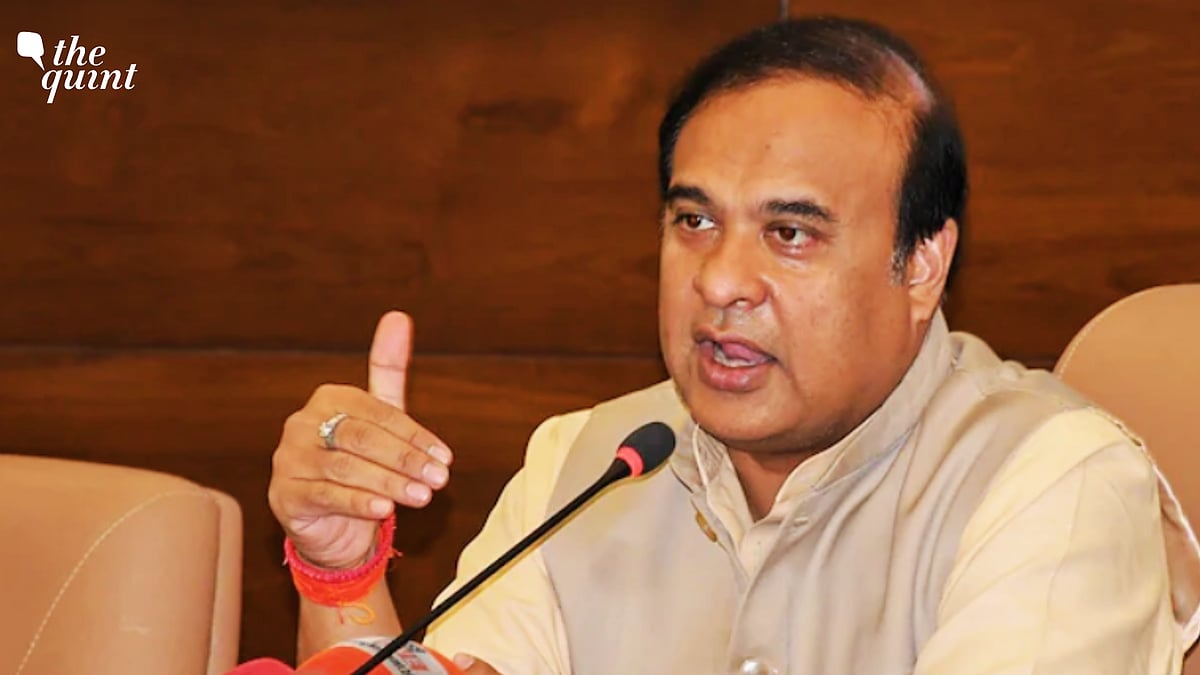
Jamiat Ulama-i-Hind has filed an application before the Supreme Court of India, challenging recent public statements made by Assam Chief Minister Himanta Biswa Sarma. The organisation alleges that these statements are communal, unconstitutional, and constitute hate speech by a person holding a high constitutional office. The petition is part of an ongoing writ petition on hate speech, originally filed in 2021, and seeks regulatory guidelines for constitutional functionaries to prevent the misuse of public office to promote hatred or target communities.
According to Maktoob Media, the application specifically references a statement made by Himanta Biswa Sarma on 27 January 2026, in which he claimed that four to five lakh “Miya” voters would be removed from the electoral rolls and declared that he and his party were “directly against the Miya community.” The petition notes that “Miya” is widely used in Assam as a derogatory term for Bengali-origin Muslims.
As reported by Maktoob Media, the Chief Minister’s remarks have included calls for “non-cooperation” and “civil disobedience” against Bengali-speaking Muslims, suggesting that policies should be designed to make them leave Assam voluntarily. These statements have drawn criticism from rights activists and political opponents, who argue that such rhetoric threatens constitutional principles and minority rights.
The Jamiat Ulama-i-Hind’s petition argues that statements of this nature, when made by constitutional authorities, carry institutional legitimacy and have far-reaching consequences. The organisation contends that such conduct violates the dignity, responsibility, and restraint required of constitutional office-holders, and that these remarks cannot be dismissed as political rhetoric or protected speech. The petition further asserts that the statements amount to a deliberate attempt to stigmatise an entire community and undermine constitutional values.
The application urges the Supreme Court to establish regulatory guidelines for public speech by constitutional functionaries, ensuring that no individual can use official authority to incite communal hatred or vilify any group. It emphasises the need for judicially enforceable norms to reinforce the principle that no one is above the Constitution or the law. The petition also highlights concerns about the selective and discriminatory application of hate speech laws, noting that police authorities are accused of acting swiftly in some cases while stalling or refusing to register FIRs in complaints filed by members of minority communities.
“Statements of this nature, when made by constitutional authorities, carry institutional legitimacy and have far-reaching consequences,” the petition states, adding that such conduct violates the dignity, responsibility, and restraint attached to constitutional office.
The petitioners have invoked the Supreme Court’s powers under Article 142, seeking binding guidelines to ensure uniform and non-discriminatory enforcement of hate speech laws nationwide. Among the proposed measures are mandatory registration of FIRs in hate speech cases, establishment of dedicated online complaint portals, a strict five-day timeline for registering or rejecting complaints, and disciplinary action against officials who fail to comply. The petition also calls for the recording of non-compliance in the Annual Performance Appraisal Reports of defaulting officers.
Jamiat Ulama-i-Hind’s submission underscores that such speeches undermine constitutional values of equality, fraternity, secularism, and human dignity, and therefore cannot claim protection under the right to freedom of speech. The petition points out that these statements continue despite repeated Supreme Court directions for prompt action against hate speech. The organisation expresses concern that the failure to curb such conduct reflects a growing misuse of constitutional authority.
Recent data cited in the petition, as coverage revealed, shows a 74 per cent rise in hate speech incidents in 2024 compared to 2023, with nearly 98 per cent targeting Muslims, either alone or alongside Christians. The petition notes that an average of three hate speech events occurred per day, many involving explicit calls for violence or destruction of places of worship, and that most incidents were publicly broadcast or live-streamed on social media platforms.
The matter remains under consideration by the Supreme Court, which has sought detailed submissions on mechanisms to curb hate speech effectively. The present application, as analysis showed, assumes particular significance as the Court is examining the growing problem of hate speech, discriminatory state practices, and the erosion of constitutional safeguards, especially when such actions originate from those entrusted with constitutional authority.
“The problem does not stem from gaps in the legal framework, but from arbitrary enforcement, lack of institutional accountability, and unchecked administrative discretion, resulting in violations of Article 14 of the Constitution, which guarantees equality before the law,” the petitioners contended.
The Supreme Court is expected to consider the application in the ongoing proceedings related to hate speech, with further hearings anticipated in the coming months as details emerged.
Note: This article is produced using AI-assisted tools and is based on publicly available information. It has been reviewed by The Quint's editorial team before publishing.