'Lebanon Not Included in Truce': Israeli Strikes Put US–Iran Ceasefire at Risk
Iran has, reportedly, responded to the strikes in Lebanon by blocking shipping in the Strait of Hormuz.
advertisement
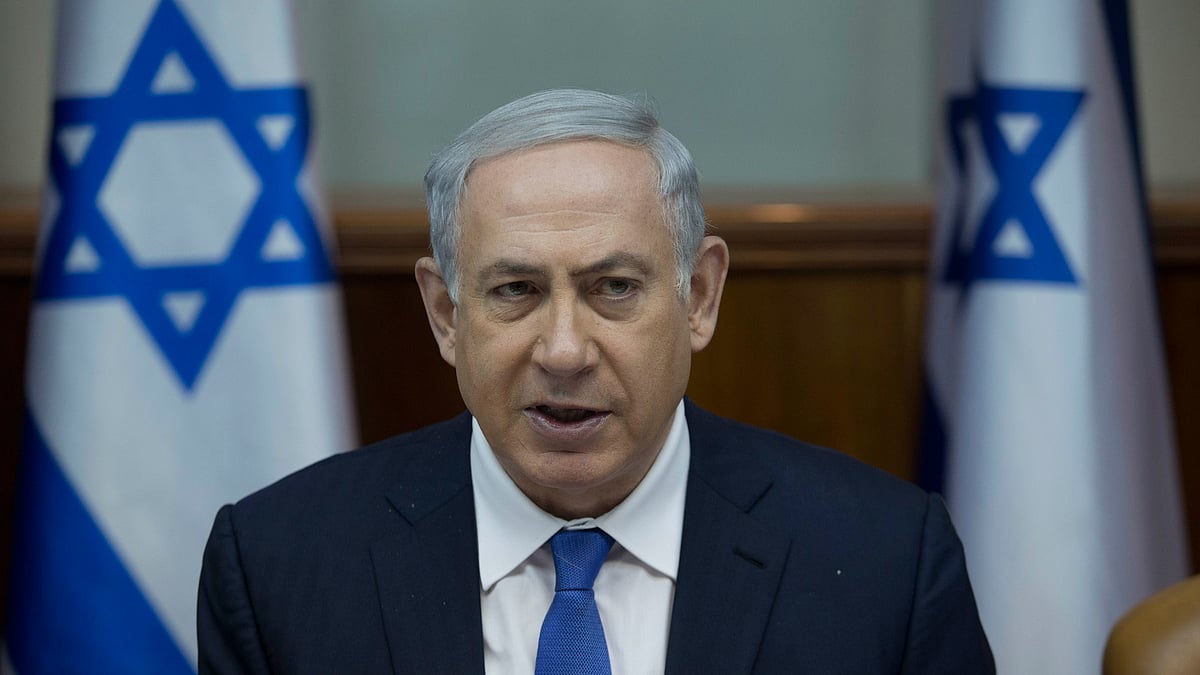
Israeli military operations in Lebanon have intensified following the announcement of a US–Iran ceasefire, with Israeli Prime Minister Benjamin Netanyahu confirming that Lebanon is not included in the truce.
The strikes have resulted in significant casualties and widespread destruction, raising concerns about the stability of the ceasefire and prompting international calls for Lebanon’s inclusion in the agreement.
According to The Guardian, Israel’s continued attacks on Lebanon have cast doubt on the durability of the Middle East ceasefire, with Iran responding by blocking shipping in the Strait of Hormuz.
The White House has denied that the waterway is closed, but divergent interpretations of the ceasefire terms have emerged between the involved parties.
As reported by The Hindu, Israeli strikes on Lebanon killed at least 182 people and wounded 890, with Beirut experiencing the most severe bombardment since the conflict began.
Benjamin Netanyahu stated that Israel remains prepared to confront Iran if necessary, emphasising that objectives remain incomplete and that Lebanon is not covered by the US–Iran truce.
Australia has led a group of countries in urging that Lebanon be included in the ceasefire, expressing concern over the humanitarian situation and displacement crisis as Israel escalates its bombing campaign.
As highlighted by The Guardian, Australian Prime Minister Anthony Albanese called the current pause in hostilities a “fragile peace” and stressed the importance of extending the ceasefire to Lebanon.
Coverage revealed that Hezbollah fired rockets at northern Israel, citing Israeli ceasefire breaches following the largest Israeli attack on Lebanon since the war began. The group stated that its actions were in direct response to what it described as violations of the ceasefire agreement.
“Let me be clear: We still have objectives to complete, and we will achieve them — either through agreement or through renewed fighting,” Benjamin Netanyahu said in a televised statement, as cited by multiple sources.
At least 254 people were killed and 1,165 injured in the Israeli attacks on Lebanon, with the strikes targeting more than 100 structures associated with Hezbollah in Beirut, Beqaa, and southern Lebanon.
Reporting indicated that the Israeli military described the operation as the “largest coordinated strike” in Lebanon since the conflict began, and that the humanitarian impact has been severe, with hospitals overwhelmed and many civilians trapped under collapsed buildings.
Israel’s position, as confirmed by Hindustan Times, is that military actions in Lebanon are aimed at destroying Hezbollah’s infrastructure and that operations will continue despite the ceasefire with Iran.
The Israeli government and the Trump administration have both stated that Lebanon is not part of the ceasefire deal, contradicting claims by Iranian and Pakistani officials.
Analysis showed that Israel’s ambassador to India questioned Pakistan’s credibility as a mediator, while reiterating that Israel’s objectives include addressing Iran’s nuclear programme and missile production.
The ambassador also stated that Israel is prepared to return to military action if necessary.
Continued Israeli strikes in Lebanon have raised concerns about the durability of the US–Iran ceasefire, with Iranian officials warning that ongoing hostilities could derail the agreement.
As details emerged, Lebanon declared a national day of mourning, and diplomatic efforts intensified to prevent further escalation. The divergence between US and Iranian interpretations of the ceasefire remains a key obstacle to lasting peace in the region.
Note: This article is produced using AI-assisted tools and is based on publicly available information. It has been reviewed by The Quint's editorial team before publishing.