Israeli And US Strikes Ignite Fires At Tehran Oil Depots
Israeli and US strikes hit Tehran oil depots, causing major fires and escalating regional conflict.
advertisement
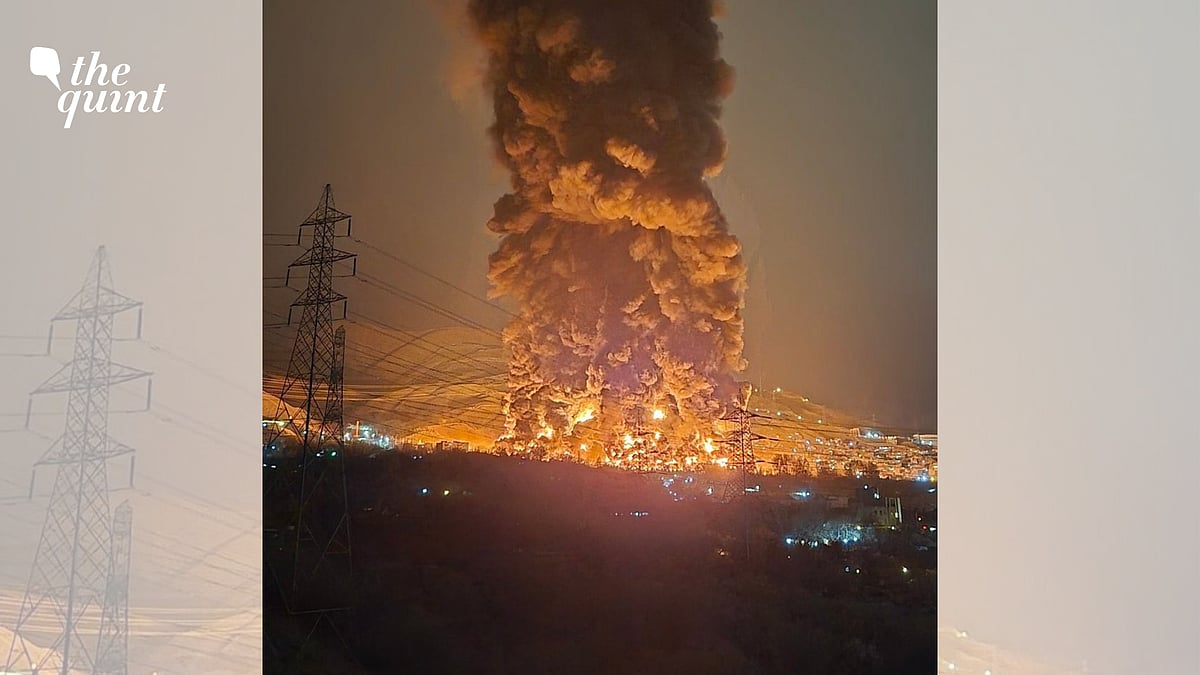
On 7 March 2026, Israeli and United States military forces launched coordinated strikes targeting multiple oil depots in Tehran and the surrounding Alborz province. The attacks resulted in large explosions and fires, with significant damage reported at several fuel storage sites. Iranian authorities confirmed that the targeted facilities were part of the country’s critical energy infrastructure. The strikes marked the first direct attack on Iran’s oil depots during the ongoing conflict, intensifying regional tensions and impacting oil markets.
According to Scroll, the Israeli military stated it had targeted fuel storage and energy facilities in Tehran allegedly used by Iran’s armed forces. Iran’s Ministry of Oil confirmed that oil depots in both Tehran and Alborz provinces were struck, resulting in widespread fires and explosions. The Ministry also reported that the attacks caused significant disruption to the region’s energy supply.
As reported by The Hindu, Iranian state media identified the affected depot as being located in southern Tehran, near a major refinery complex. While the refinery itself was not damaged, flames and smoke were observed rising from the site. Additional strikes were reported at a fuel depot in northwestern Tehran, with eyewitnesses describing massive fireballs and thick smoke visible across the city. Israeli Prime Minister Benjamin Netanyahu stated that Israel would continue its military campaign “with all our force.”
Video footage circulating online showed the scale of the destruction, with coverage revealed towering flames lighting up Tehran’s skyline and thick smoke spreading over residential areas. The explosions reportedly rattled homes several kilometres away, and the Shahran oil depot in northwestern Tehran, previously targeted in June, was struck again. Iran’s oil ministry confirmed that a depot in Karaj, west of Tehran, was also hit during the attacks.
Military officials stated that the targeted fuel depots were used to support Iranian armed forces operations. Analysis showed that the strikes were intended to degrade Iran’s military infrastructure by disrupting fuel distribution networks. The Israeli Defense Forces described the operation as a step towards weakening Iran’s military capabilities.
“The military forces of the Iranian regime make direct and frequent use of these fuel tanks to operate military infrastructure. Through them, the regime distributes fuel to various consumers, including military entities in Iran,” the Israeli Defense Forces stated.
Iranian authorities responded by launching retaliatory strikes on US and Israeli-linked targets in the Gulf region. Reporting indicated that Iran’s Revolutionary Guard targeted sites in Bahrain and other Gulf states, justifying the attacks as responses to aggression originating from those territories. The conflict has led to the closure of the Strait of Hormuz, causing a sharp increase in global oil prices and disrupting international shipping routes.
The economic impact of the strikes has been significant. Further developments included statements from US President Donald Trump regarding oil market pressures and the potential use of strategic reserves to stabilise prices. The ongoing hostilities have contributed to a surge in crude oil prices, with analysts warning of further volatility if the conflict continues.
“We have a systematic plan to eradicate the Iranian regime and achieve many other objectives,” Israeli Prime Minister Benjamin Netanyahu said in a televised address, as cited by official sources.
Regional governments have taken precautionary measures in response to the escalating conflict. Following reports, Gulf countries including Kuwait, Saudi Arabia, and the United Arab Emirates have reported missile and drone attacks, with some oil production facilities temporarily reducing output as a safety measure. The situation remains fluid, with ongoing military operations and diplomatic efforts to prevent further escalation.
“Attacking Iran’s infrastructure is a dangerous move with grave consequences,” Iranian Foreign Minister Abbas Araghchi stated, warning of potential long-term repercussions for regional stability.
Note: This article is produced using AI-assisted tools and is based on publicly available information. It has been reviewed by The Quint's editorial team before publishing.